National Dish Japan: Mitarashi Dango (Recipe)

In this article
Discover Mitarashi Dango, a much-loved Japanese sweet made of soft rice dumplings threaded onto skewers and brushed with a glossy, sweet-savoury soy glaze. Born in the temple town of Kyoto, these little dumplings are a fixture at festivals and special occasions, where their chewy bite and very good aroma turn a simple snack into a small celebration. Bring a taste of Japanese street-side tradition straight to your own kitchen.
About Mitarashi Dango
Mitarashi Dango are traditional Japanese rice dumplings served on skewers, prized for their lovely balance of sweet and savoury. The treat traces its origins to the Kyoto region and is most often enjoyed at festivals and special gatherings. The glazed dumplings are coated in a sauce made from soy sauce, sugar and starch, which gives them their unmistakable flavour. With their tender texture and appealing aroma, they are not only a pleasure to eat but a feast for the senses.
Ingredients (serves 1–2)
- 200 g mochi rice or glutinous rice
- 100 ml water
- 50 g sugar
- 2 tablespoons soy sauce
- 1 tablespoon potato starch
Shopping for the ingredients
Making mitarashi dango calls for a few special ingredients, which you will find in Asian grocers or online. The mochi rice is what gives the dumplings their signature sticky, chewy texture, so it pays to choose a good-quality grain for the best consistency. Sugar and soy sauce are everyday staples that are easy to track down in any supermarket.
Preparing the dish
Before you start making mitarashi dango, gather all your ingredients and lay out the equipment you will need, such as a bowl, a pan and wooden skewers. Wash the mochi rice thoroughly to remove excess starch, then leave it to soak, ideally for several hours or overnight, so it softens and cooks more evenly. This bit of groundwork makes the rice far easier to work with and rewards you with especially tasty dango.
Step-by-step instructions
- Drain the soaked mochi rice and steam it in a steamer until soft.
- Tip the cooked rice into a bowl and knead well by hand until you have a smooth, even dough.
- Shape the dough into small balls and thread them onto the prepared skewers.
- Combine the soy sauce, sugar and potato starch in a pan over medium heat and bring to the boil, stirring, until the sauce thickens.
- Lightly toast the dango skewers on a grill or in a frying pan for a gently roasted flavour.
- Pour the warm glaze over the dango and serve.
Gluten-free / lactose-free version
For a gluten-free take on mitarashi dango, use gluten-free soy sauce or tamari. These are made specifically for people who react to gluten and deliver the same umami-rich flavour as ordinary soy sauce. Just make sure the potato starch you use is also certified gluten-free. The recipe is naturally lactose-free, which makes it an excellent choice for anyone keeping an eye on particular intolerances.
Tips for vegans and vegetarians
Mitarashi dango is naturally vegan, as the main ingredients are simply rice, water and sugar. Do check the soy sauce, though, to be sure it contains no animal-derived products or additives. You can also swap the sugar for a natural sweetener such as agave syrup to make the treat a little lighter. It is a perfect sweet for vegan guests and a welcome addition to any table.
More tips and tricks
To make sure your mitarashi dango turn out beautifully, shape the dumplings evenly so they cook at the same rate. You could also make them in different sizes for a more playful presentation. Toasting the dumplings not only deepens the flavour but adds an appealing texture too. Try varying the filling as well, fresh fruit or chopped nuts worked into the dough make for a lovely surprise.
Adapting the recipe to your taste
The flavour combination of mitarashi dango is easy to tweak to suit your own preferences. Fancy a bit of heat? Stir a little sambal oelek or chilli-infused oil into the soy glaze. If you prefer something fruitier, drizzle fruit purée or syrup over the dumplings. Experiment with different chocolates or nut butters for an entirely new burst of flavour.
Ingredient substitutions
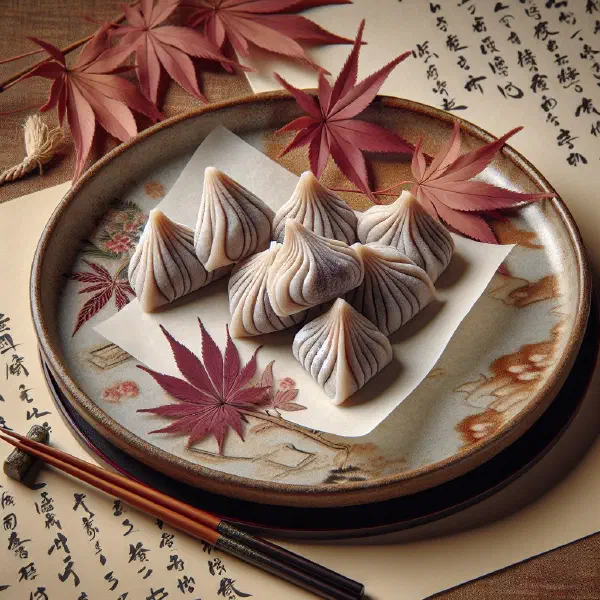
If you do not have soy sauce to hand, a blend of miso and water makes a fine stand-in for that savoury note. Sugar can be replaced with honey or agave syrup, as long as you keep an eye on the consistency of the glaze. For a thicker, richer sauce, cornflour works just as well as potato starch, much like the gentle, starchy set you find in Kuzumochi.
Drink pairing ideas
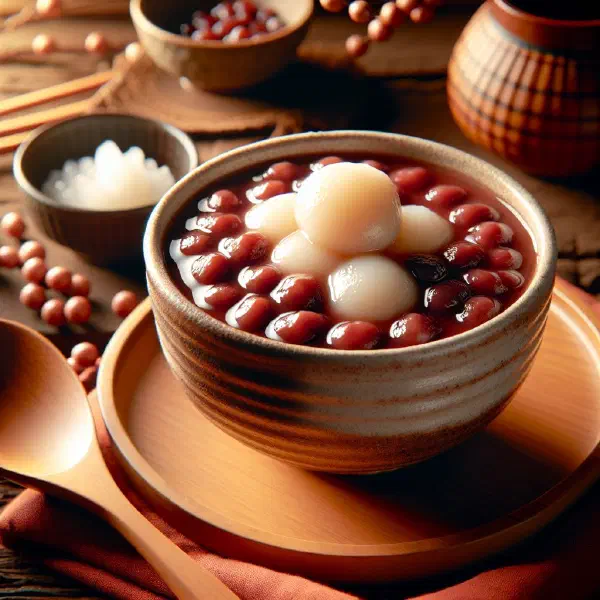
A number of drinks pair beautifully with mitarashi dango, complementing the sweet notes of the treat. A cup of green tea or a refreshing jasmine tea sits perfectly alongside the flavours of dango. You could also try a fruity iced tea, or even a light, sparkling drink for a fresh lift. For festive occasions, a sweet rice wine rounds off the experience nicely, a natural companion to the warm sweetness of Zenzai.
Serving and presentation ideas
Presentation can really lift the whole mitarashi dango experience. Use attractive wooden skewers and arrange them invitingly on a plate. Decorate the skewers with colourful fruit or edible flowers to add a touch of visual interest. Serving the dumplings on a fine platter also makes a real impression and shows your love for Japanese cuisine and culture. They sit happily on a sweets board next to chewy appeals to like Yatsuhashi.
A bit of history
Mitarashi dango has a long and fascinating history within Japanese culture. The dumplings do more than bring joy at the table. They also play a part in various festive occasions. The round shape of the dango is symbolic, often standing for the cycle of life, and the treat is woven deeply into the Japanese heart. It remains one of the most cherished sweets in all of Japanese cuisine.
More recipe ideas
Summary: Mitarashi Dango
With mitarashi dango you bring more than a delicious snack to the table. You bring a piece of Japanese culture too. These traditional rice dumplings are simple to make and perfect for festivals or as a little treat between meals. The marriage of flavour and beauty will pleasure every palate. Give the recipe a try and dive into the wonderful world of Japanese sweets.