National Dish Japan: Monjayaki (Recipe)
In this article
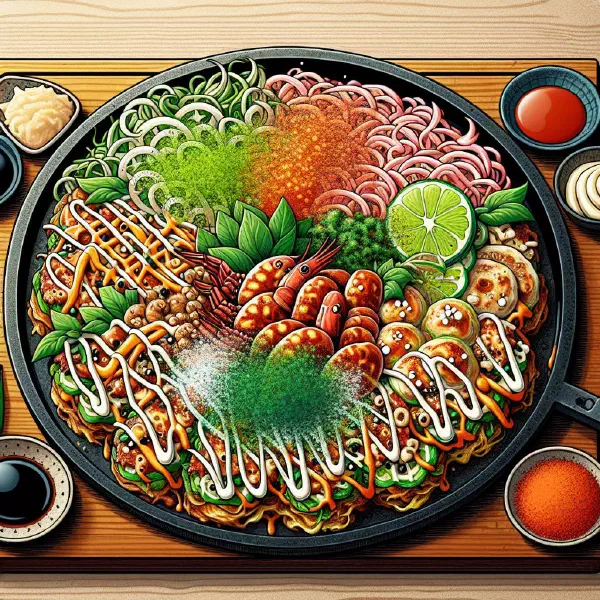
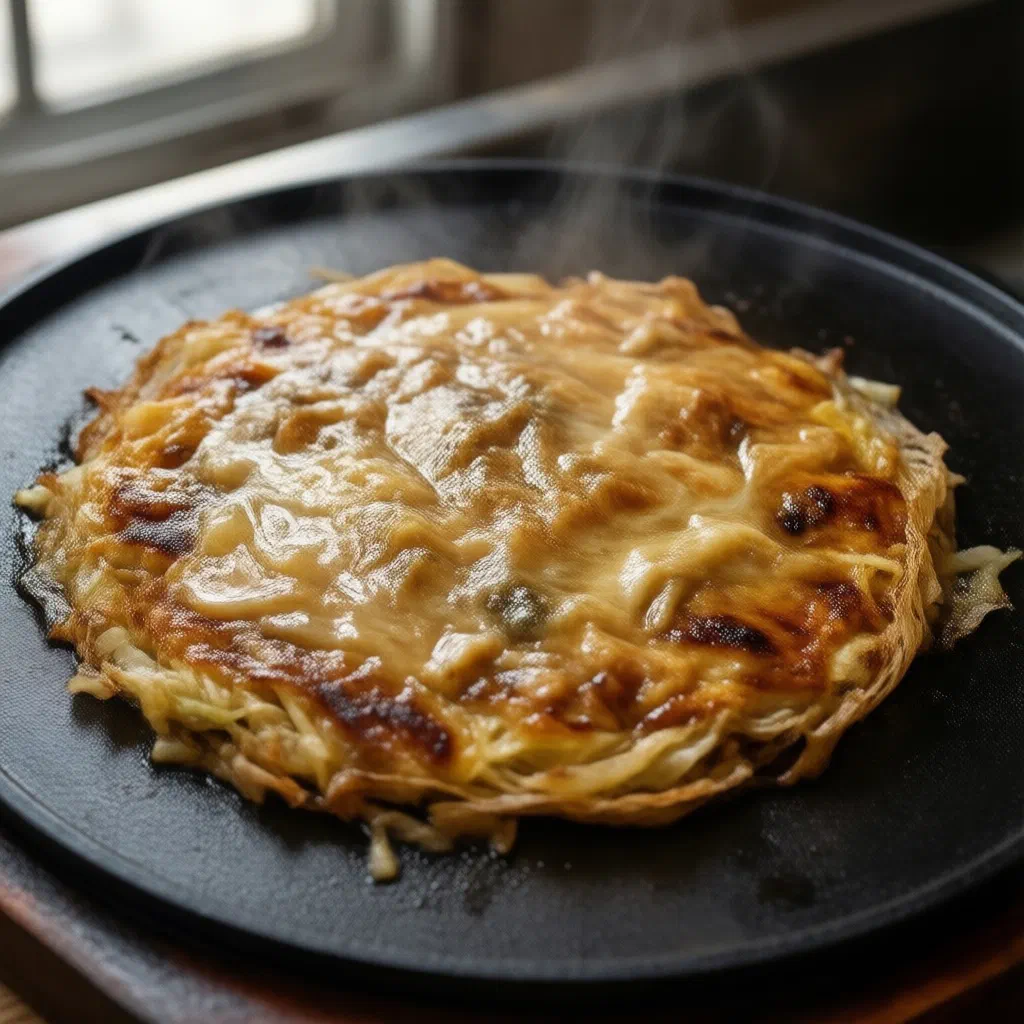
Discover Monjayaki, one of Tokyo’s most sociable street foods. This savoury griddle dish turns a loose, creamy batter studded with cabbage and your favourite fillings into a hands-on feast cooked right at the table. Looser and more pourable than its cousin okonomiyaki, it invites everyone to scrape and nibble straight from the hot plate. Bring the lively buzz of a downtown Tokyo eatery into your own kitchen for a relaxed evening with friends or family.
About Monjayaki
Monjayaki is a much-loved Japanese griddle dish especially prized in Tokyo and the surrounding Kanto region. It is defined by its creamy consistency and the wide variety of fillings that give each batch its own character. Compared with other Japanese specialities such as okonomiyaki, monjayaki is far runnier, which makes for a particularly convivial way to eat. The dish is cooked directly at the table, turning the meal into a playful, hands-on activity that is perfect for sociable evenings with friends or family.
Ingredients (serves 1–2)
- 100 g monjayaki flour (or plain wheat flour)
- 200 ml water or stock
- 1 small white cabbage, finely chopped
- 50 g squid or prawns (optional)
- 2 spring onions, sliced into rings
- 1 small piece of ginger, grated
- Soy sauce and Worcestershire sauce, to taste
- Oil, for frying
- Tenkasu (tempura flakes) or cheese (optional)
Shopping for the ingredients
When you set out to make monjayaki, it pays to choose the freshest ingredients you can find. Visit an Asian grocery or a local market to track down good-quality flour and crisp, fresh vegetables. Look for cabbage and spring onions that appear firm and lively, as the freshness of the produce has a real impact on the finished flavour. If you plan to add special fillings such as squid or prawns, seek out fresh seafood that has been well prepared and cleaned.
Preparing the dish
Before you start cooking monjayaki, it helps to have everything ready to go. Arrange the chopped vegetables and any proteins in small bowls to keep the cooking process smooth and simple. Mix the monjayaki flour in a separate bowl with the water or stock until you have a smooth, lump-free batter. Doing this in advance means you can pour the mixture straight onto the hot plate without any last-minute fuss.
Step-by-step instructions
- Heat a special monjayaki pan or a flat griddle plate until it is properly hot.
- Add a little oil and spread it evenly across the surface.
- Tip in the prepared vegetables and any optional fillings, then fry them briefly.
- Pour in the flour-and-water mixture and stir everything together until you have a creamy batter.
- Push the mixture out towards the edges of the pan to create a ring, leaving room in the centre.
- Let it cook until the base sets, then season with soy sauce and Worcestershire sauce and eat it straight off the hot plate.
Gluten-free / lactose-free version
If you would like a gluten-free or lactose-free version, simply swap the monjayaki flour for a gluten-free flour blend. Several mixes are available that give a texture very close to conventional flour. When choosing your stock, make sure it is gluten-free as well. For a lactose-free result, reach for a plant-based cheese alternative or leave the cheese out altogether, the dish loses nothing in flavour either way.
Tips for vegans and vegetarians
Monjayaki adapts easily to vegan or vegetarian tastes. In place of animal products such as prawns or squid, use tofu or pan-fried mushrooms as your protein. The vegetables can be varied freely and often include a mix of carrots, peppers and courgette. Seasonings are a brilliant way to add extra depth and aroma without reaching for any animal-based ingredients, so be generous with them.
More tips and tricks
Another key to good monjayaki is getting the consistency right. Make sure the batter is not too thick, or it will not cook evenly and you will miss out on the dish’s signature creamy texture. Experiment with bolder fillings such as cheese or different vegetables to create your own version of this moreish dish. Best of all, share the experience by getting your guests involved in the cooking. It makes the whole thing far more fun. The same playful, gather-round spirit runs through other Japanese cuisine favourites like Takoyaki.
Adapting the recipe to your taste
The real charm of monjayaki lies in its flexibility. You can adjust the fillings to your own liking and try out all sorts of flavours and consistencies. From extra seasonings to a different mix of vegetables, the possibilities are practically endless. This adaptability makes it an ideal choice for family meals, since everyone can gather round and add their own preferences to the pan.
Ingredient substitutions
If you cannot find a particular ingredient or simply would rather not use it, there are always alternatives to fall back on. In place of monjayaki flour, you can use a general-purpose griddle or batter flour that works just as well. For the liquid base, vegetable stock or a homemade broth will deepen the flavours nicely, much like the savoury base behind a comforting Yosenabe.
Drink pairing ideas
Plenty of drinks pair happily with a dish like monjayaki. Japanese beer or a chilled glass of sake are classic choices that round off the flavours perfectly. For an alcohol-free option, go for green tea or a refreshing fruit juice. Pick a drink that underlines the richness of the dish and rounds out the whole eating experience.
Serving and presentation ideas
Presentation can make all the difference in turning monjayaki into an inviting, exciting meal. Use colourful plates and bowls to show off the different fillings to their best advantage. The mixture is served straight from the pan on the table, which makes the experience all the more sociable. Finish by garnishing with fresh herbs or extra spring onions for a final splash of colour.
A bit of history
Monjayaki has its origins in the Kanto region of Japan and is a wonderful example of the country’s rich culinary tradition. It grew up as a kind of street food, often sold from small stalls. The custom of cooking it right at the table is a hallmark of Japanese dining culture, one that fosters a real sense of togetherness, a quality it shares with hot-pot classics such as Oden. In recent years monjayaki has surged in popularity not only in Japan but internationally, as more and more lovers of Japanese food discover it for themselves.
More recipe ideas
Summary: Monjayaki
In short, monjayaki is a versatile and entertaining dish that comes into its own on sociable occasions. The simple, cook-at-the-table preparation and the sheer number of possible variations mean that anyone can fold their own preferences into this delicious dish. Whether vegan, gluten-free or loaded with seafood, the options are almost limitless. Dive into the fascinating world of monjayaki and savour the unmistakable flavour experience it has to offer.