National Dish Japan: Nabe (Recipe)
In this article
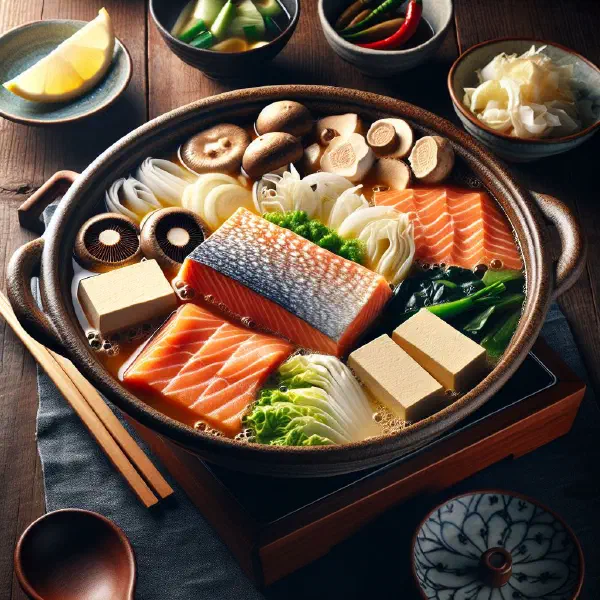
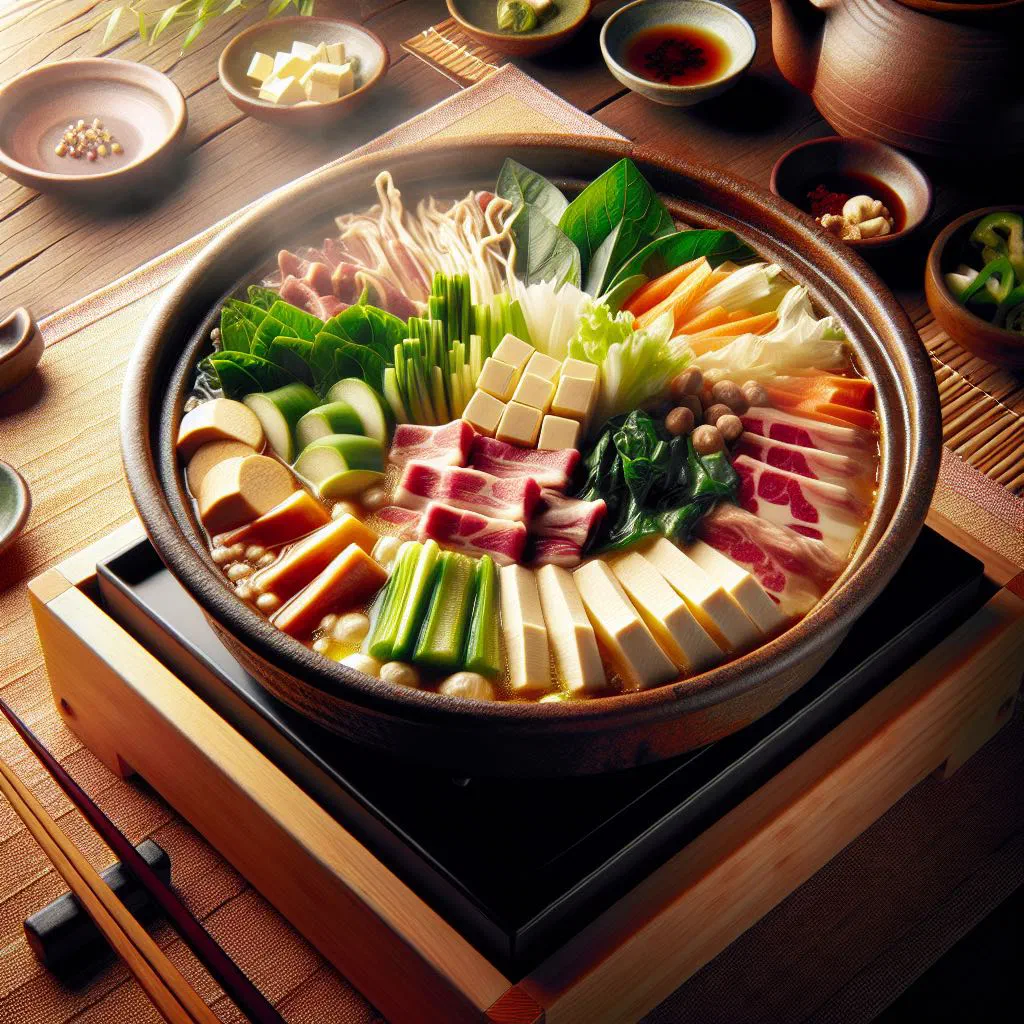
Gather everyone around the table for Nabe, the cosy Japanese hot pot that turns dinner into a shared occasion. Tender slices of meat, silky tofu and crisp seasonal vegetables simmer gently in a fragrant dashi broth, ready to be plucked straight from the bubbling pot. Warming, wholesome and endlessly adaptable, it is the perfect dish for chilly evenings spent in good company.
About Nabe
Nabe is a traditional Japanese dish enjoyed above all during the colder months. It is a hearty hot pot, usually cooked right at the table, which gives the meal a wonderfully sociable feel. The combination of fresh ingredients and a deeply flavoured broth is what makes this dish so appealing. In Japan especially, nabe has a long history and is often shared with family or friends, turning it into a truly communal experience.
Ingredients (serves 1–2)
- 200 g beef or chicken, thinly sliced
- 150 g tofu, cubed
- 100 g shiitake or other mushrooms
- 1 small courgette, sliced
- 1 carrot, cut into thin strips
- 100 g spinach or other leafy greens
- 400 ml dashi broth
- 1–2 tablespoons soy sauce
- 1 teaspoon mirin
- Noodles or rice, to serve
Shopping for the ingredients
To make an authentic nabe, it is important to track down fresh ingredients. Most of what you need is available in Asian supermarkets or well-stocked grocery shops. Pay particular attention to the quality of the vegetables and the meat or tofu, as these have a big impact on the flavour of the hot pot. If you are looking for dashi broth, you can also find instant versions that are convenient and still taste good.
Preparing the dish
Preparing a nabe is simple and takes only a few steps. Cut the vegetables and meat into even pieces so that everything cooks at the same rate. The tofu should be cut into cubes so you can enjoy the different textures within the pot. It is also worth getting the broth ready in advance, so that everything can be brought together quickly when it is time to eat.
Step-by-step instructions
- Bring the dashi broth to the boil in a large pot.
- Add the meat and let it cook for a few minutes until done.
- Add the mushrooms and vegetables, then leave everything to simmer for a further 5–10 minutes.
- If you are using tofu, add it in good time so it can warm through.
- Serve the nabe straight from the pot at the table, with rice or noodles. Enjoy it with soy sauce and mirin as a dip.
Gluten-free / lactose-free version
For anyone with a gluten or lactose intolerance, this nabe is easy to adapt. Use gluten-free soy sauce or tamari in place of regular soy sauce. Instead of dairy, you can stir in coconut milk for a creamy, mellow alternative. Always double-check that the ingredients you choose really are lactose-free to avoid any allergic reactions.
Tips for vegans and vegetarians
This nabe is incredibly versatile and adapts easily to a vegan or vegetarian way of eating. Simply replace the meat with more tofu or a variety of vegetables to play with the texture. You can also use plant-based broths and soy sauce to keep the flavour rich and rounded. Adding seaweed brings an extra layer of taste and nutrition, making it perfect for any meat-free meal.
More tips and tricks
There are countless ways to make a nabe your own. Experiment with different broths depending on whether you like it mild or spicy. Herbs and seasonings can also be added to make every bowl unique. Beyond that, various accompaniments such as rice or grilled bread can be served to add variety and a little more substance, much like the comforting bowls of Tonjiru.
Adapting the recipe to your taste
Tailoring nabe to personal preference is an important part of what keeps the dish lively and interesting. You can vary the type of meat or tofu you use, or add seasonal vegetables to match the time of year. The seasonings can be adjusted to suit your own taste too. This flexibility makes nabe a brilliant dish for anyone who enjoys being creative in the kitchen.
Ingredient substitutions
If you do not have every ingredient to hand, there is no need to worry. There are always alternatives for nabe. Pork, for example, works just as well as beef or chicken. Different vegetables can also be swapped in depending on the season or your own preferences, much as you would in a hearty Nikujaga. And if fresh spinach is not available, frozen versions are an equally good option.
Drink pairing ideas
Choosing the right drink can add an extra dimension to your nabe experience. A lightly chilled Asahi or Kirin beer pairs beautifully with the savoury flavours. Alternatively, traditional Japanese teas such as genmaicha or matcha can be served to complement the aromas and enrich the whole meal. The pairing of a warm drink with the steaming hot pot creates a harmonious atmosphere.
Serving and presentation ideas
The presentation of nabe matters just as much as the taste. Use a large, attractive pot to bring the dish to the table. Tasty accompaniments should be arranged colourfully to whet the appetite. Small bowls for sauces and fresh herbs can also help make the table look inviting. An appealing presentation heightens the enjoyment and encourages the convivial spirit of the meal.
A bit of history
The roots of nabe reach back to Japan’s Edo period, when cooking in a pot became a popular method of preparation. Originally, nabe was made at festivals and gatherings in farming communities, since it was easy to throw lots of ingredients together and cook them at once. Today it is a symbol of togetherness and community in Japan. Whether at a family reunion or among friends, preparing and eating nabe together strengthens the bonds between people, a hallmark of Japanese cuisine.
More recipe ideas
Summary: Nabe
All in all, nabe is a versatile and sociable dish that is delicious and easy to prepare. Whether for an evening with friends or a family meal, it offers the chance to use fresh ingredients however you like and to share the cooking together. Let Japanese food culture inspire you and enjoy the many variations of this traditional hot pot. Experience the warm-hearted atmosphere and memorable flavours of nabe.