National Dish Japan: Nabeyaki Udon (Recipe)
In this article
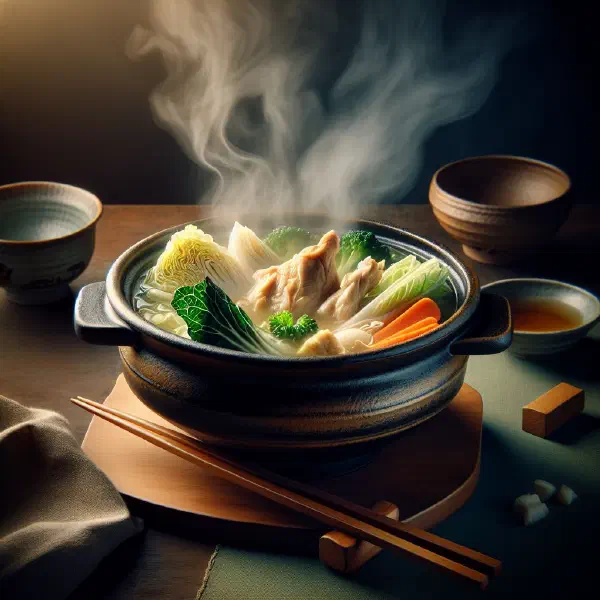
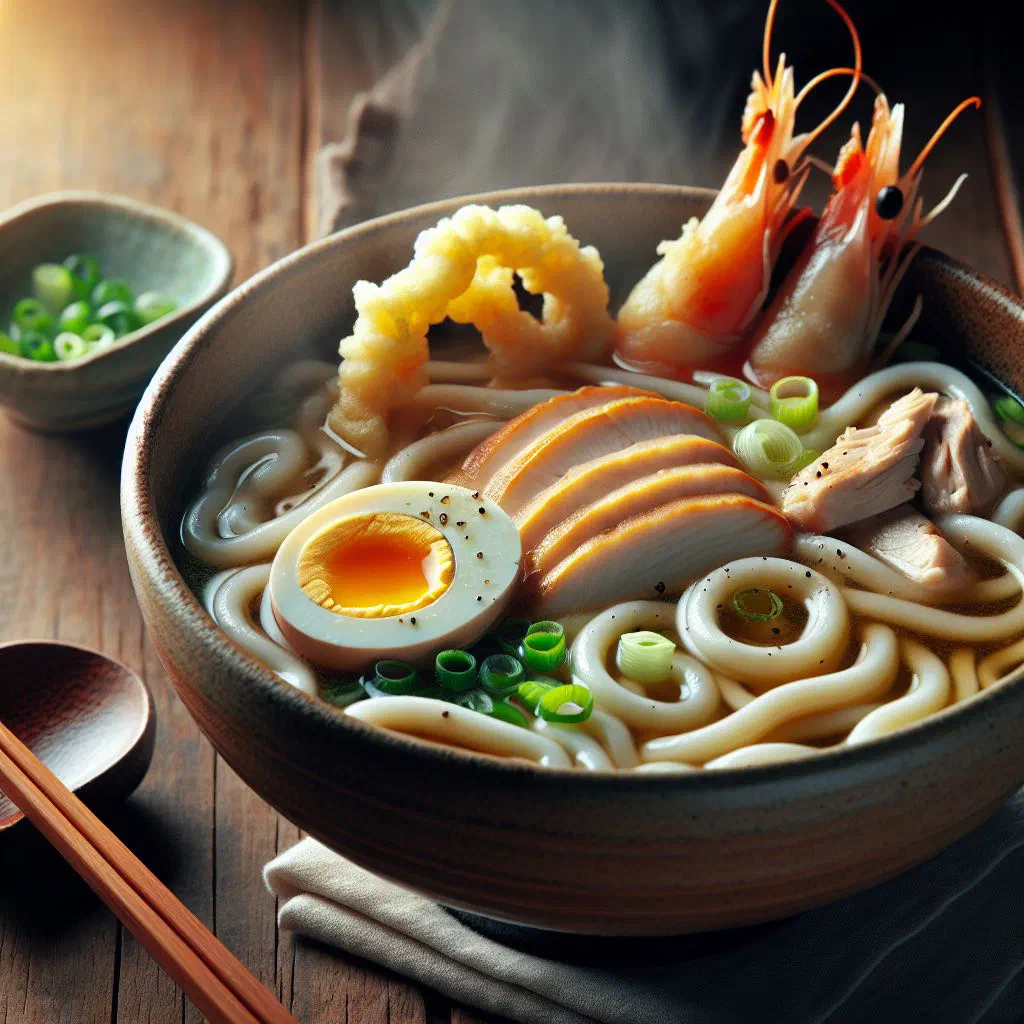
Few dishes capture the cosy spirit of a Japanese winter quite like Nabeyaki Udon. Served bubbling away in its own clay pot, it brings together springy noodles, fresh vegetables, tender chicken and a gently poached egg in a fragrant broth. The earthenware keeps everything piping hot at the table, so the flavours deepen with every mouthful. It is the kind of bowl that warms you from the inside out on a cold day, and it is far easier to make at home than you might think.
About Nabeyaki Udon
Nabeyaki Udon is a traditional Japanese dish served in a hot clay pot, prized for the way it keeps every ingredient warm and the broth simmering right up to the moment you eat. It pairs tender udon noodles with freshly prepared vegetables, chicken and a perfectly cooked egg, all bathed in a savoury dashi broth. More than simply delicious, it is a genuine comfort on cold days. The warmth of the clay pot lets the aromas unfold intensely, turning every spoonful into a small event and making it a cherished example of Japanese cuisine.
Ingredients (serves 1–2)
- 200 g udon noodles
- 150 g chicken breast fillet
- 1 egg
- 100 g fresh vegetables (e.g. spinach, shiitake mushrooms, carrots)
- 2 spring onions
- 500 ml dashi broth
- Soy sauce and mirin, to taste
- A little sesame oil, to finish
Shopping for the ingredients
For Nabeyaki Udon you will need a handful of fresh ingredients, most of which are available from Asian grocers or a well-stocked supermarket. It is worth choosing good-quality udon noodles, as their texture has a big influence on the finished dish. Pick the freshest chicken you can find so it stays tender and juicy. Fresh vegetables such as spinach and shiitake mushrooms bring colour and extra nourishment to the bowl.
Preparing the dish
Before you start cooking Nabeyaki Udon, it pays to have everything prepared. Slice the chicken breast into thin pieces and chop the vegetables. Cut the spring onions into rings so they distribute evenly through the dish. You can make the dashi broth from scratch or use a ready-made packet version, either way, it is the key to a deeply aromatic noodle dish.
Step-by-step instructions
- Heat a clay pot and add a little sesame oil.
- Fry the chicken pieces over medium heat until golden.
- Pour in the dashi broth and bring it to the boil.
- Add the udon noodles and cook them according to the packet instructions.
- Add the vegetables and spring onions and let them simmer for a few minutes.
- Carefully crack the egg and slide it into the hot broth without stirring it in.
- After a few minutes the egg will be perfectly set — serve the dish hot, straight from the clay pot.
Gluten-free / lactose-free version
To make Nabeyaki Udon gluten-free, use rice-based udon or special gluten-free noodles. Make sure your soy sauce is gluten-free too, as many brands contain barley. For a lactose-free version there is little to change, but if you wish to skip the egg you can leave it out or use a plant-based substitute. That way the dish stays just as delicious while remaining accessible to everyone.
Tips for vegans and vegetarians
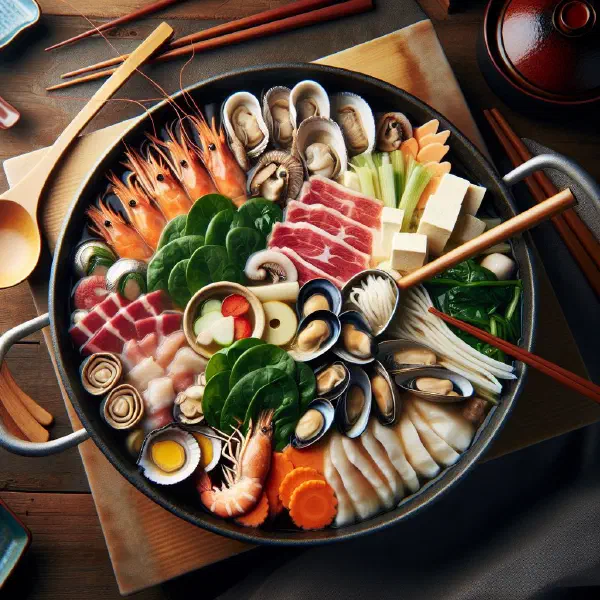
For a vegan version of Nabeyaki Udon, swap the chicken for tofu or seitan and simply omit the egg. In its place, use a generous mix of vegetables such as broccoli, peppers or courgette. Be sure to use a plant-based dashi broth or make your own. The dish remains full of flavour and every bit as satisfying, much like a comforting bowl of Yosenabe built around the season’s best produce.
More tips and tricks
To get the most out of your Nabeyaki Udon, use fresh ingredients and experiment with different vegetables. You can also play with the seasonings and add a little chilli for a spicy edge. A squeeze of fresh lemon brings a wonderful brightness and balance to the bowl. Keep an eye on the consistency of the broth, too. It should be rich but never too thick.
Adapting the recipe to your taste
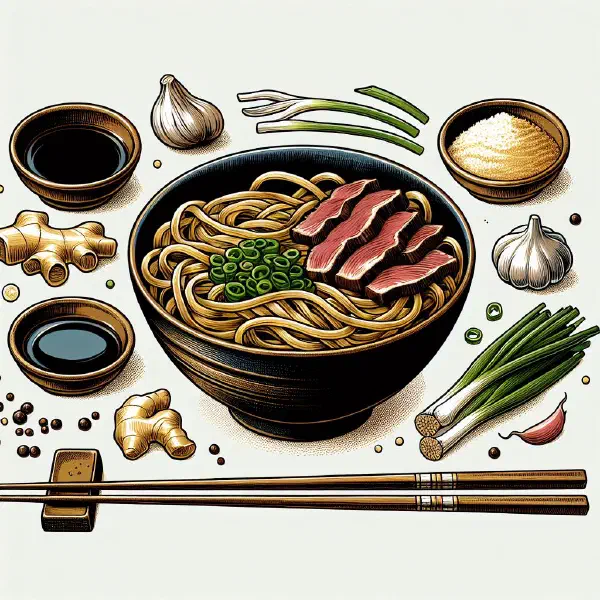
Nabeyaki Udon is easy to tailor to your own preferences by varying the proteins or vegetables. Instead of chicken, try prawns or beef, as you might in a hearty bowl of Nikujaga. For vegetarians, mushrooms and leafy greens work beautifully. The key is to find the flavour and texture that suit you best.
Ingredient substitutions
If you cannot find udon noodles, you can swap in other Asian noodles such as soba or rice noodles, the slurpable soba in Sudachi Soba makes a lovely alternative. In place of dashi broth, use a vegetable stock to keep the dish vegan. Experiment with different soy sauces to achieve a more or less intense note. Substitutions like these let you make your Nabeyaki Udon even more your own.
Drink pairing ideas
Full-bodied teas such as green tea or jasmine tea go wonderfully with Nabeyaki Udon. They help underline the flavours of the dish and make a refreshing companion. If you prefer something alcoholic, a light sake or a pale Japanese beer is a fine choice.
Serving and presentation ideas
Present your Nabeyaki Udon with a little flair by serving it straight from the clay pot. Garnish the dish with freshly chopped spring onions and a pinch of sesame seeds. A few extra pieces of vegetable and herbs at the side can act as decoration. This brings both colour and visual appeal to the bowl.
A bit of history
Nabeyaki Udon has its roots in Japanese home cooking and is known for its warming, hearty nature. It is often served during the winter months and is a firm family favourite. Cooking in a clay pot has culinary advantages and also creates a cosy atmosphere at the table. This tradition makes the dish a symbol of Japanese hospitality and togetherness, in the same spirit as a shared pot of Oden.
More recipe ideas
Summary: Nabeyaki Udon
In short, Nabeyaki Udon is a delicious and versatile dish that brings the flavours of Japanese cooking together perfectly. With its tender udon noodles, fresh vegetables and savoury chicken, it is ideal for cold days. The preparation is simple and can be adapted to suit your tastes. Enjoy the flavourful warmth of this traditional Japanese dish and dive into the fascinating world of Japanese cuisine.