National Dish Japan: Nattō (Recipe)
In this article
Meet Nattō, one of Japan’s most distinctive national dishes, fermented soybeans with a deeply savoury flavour and that famously sticky, stringy texture. Loved at the Japanese breakfast table and increasingly celebrated around the world, nattō is as nourishing as it is unusual. Packed with protein, fibre and good bacteria, it turns a simple bowl of rice into something memorable. Adventurous eaters, this one is for you.
About Nattō
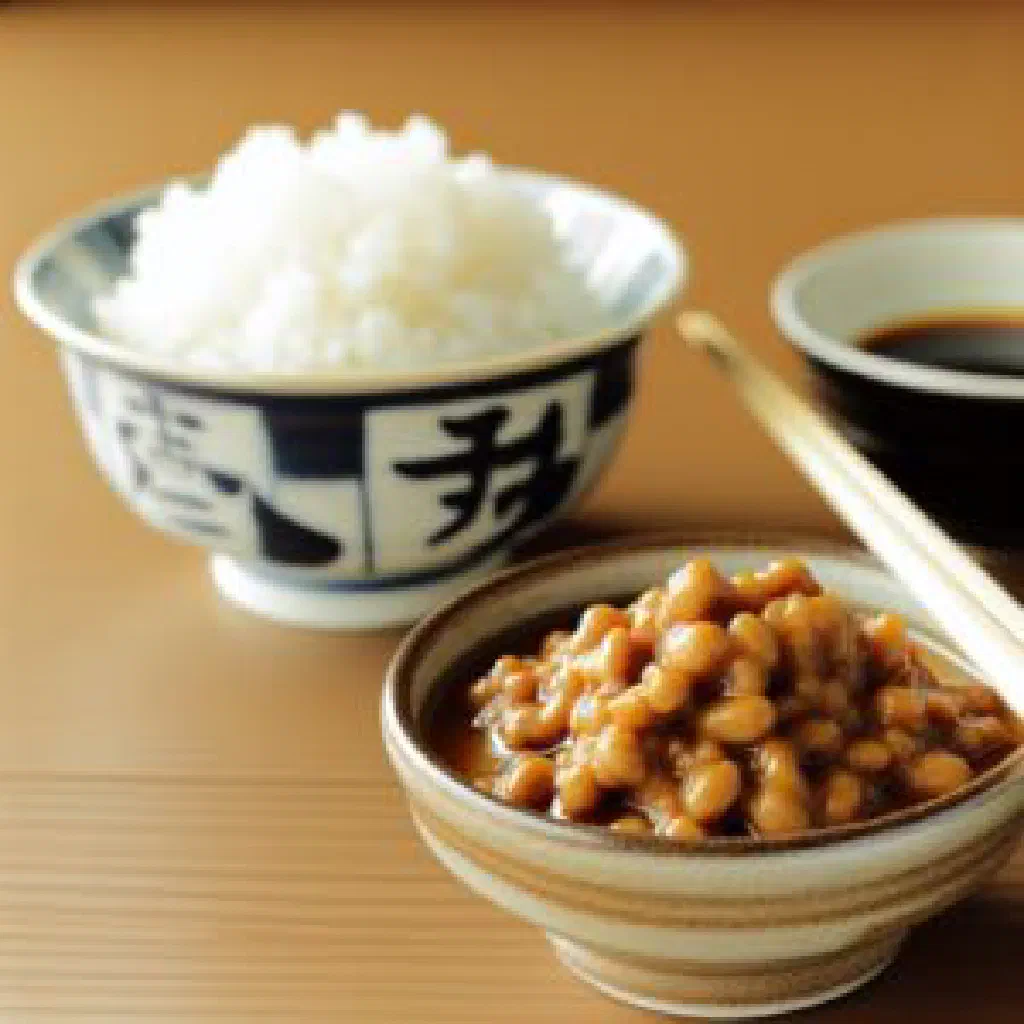
Nattō is one of the most famous national dishes of Japan, beloved at home and gaining recognition far beyond its shores. These fermented soybeans have an one-of-a-kind texture that many compare to a sticky, web-like stringiness. This special method of preparation delivers a memorable taste and a wealth of health benefits. Nattō is rich in protein, fibre and important nutrients that are essential to a balanced diet, which is why it has become such a staple of traditional Japanese cuisine.
Ingredients (serves 1–2)
- 200 g nattō
- 1 cup cooked rice
- Soy sauce or tamari (to taste)
- 1 stalk fresh chives, finely chopped
- A few drops of Worcestershire sauce (optional)
Shopping for the ingredients
The ingredients for nattō are easy to find in most Asian supermarkets. Be sure to buy fresh nattō, which is usually sold in small tubs or packets. If you have trouble tracking it down, you can order it online or ask at a well-stocked grocery. Before you go shopping, think about whether you would like any extra ingredients or side dishes to round out your meal.
Preparing the dish
Preparing nattō is simple and fuss-free, so you can focus on what matters most: the flavour. Start by cooking the rice to create the perfect base for your dish. While the rice cooks, open the nattō and stir in the sachet of sauce and the mustard sachet if your pack came with them. That way you are all set to assemble the dish the moment the rice is ready.
Step-by-step instructions
- Spoon the cooked rice onto a plate or into a bowl.
- Add the nattō on top of the rice and gently fold it through.
- Season with soy sauce or tamari to taste.
- Scatter over the chopped chives and stir well to combine.
- Optionally add a few drops of Worcestershire sauce for an extra savoury lift.
Gluten-free / lactose-free version
Nattō is naturally gluten-free and lactose-free, which makes it a brilliant choice for anyone with intolerances. Simply use gluten-free soy sauce or tamari to keep the whole dish suitable. Take care to avoid any other ingredients that might contain gluten or lactose. That way you can carry on enjoying all the health benefits of nattō without a worry, much like the naturally light Wafu Salad.
Tips for vegans and vegetarians
Nattō is a perfect fit for a vegan or vegetarian diet, as it is packed with plant-based protein. To make the dish even more nourishing and varied, add vegetables such as avocado, carrot or cucumber. Tofu is another excellent addition that boosts the nutrient content further. Finish with your favourite vegan sauces or seasonings to intensify the flavour.
More tips and tricks
To get even more out of your nattō, it is worth experimenting with different seasoning variations. Alongside soy sauce, you can also reach for sesame oil or rice vinegar. Take care not to overwork the beans, so they keep their distinctive character. And if you want to play up the texture, try combining nattō with other ingredients to create brand-new taste experiences.
Adapting the recipe to your taste
Everyone has their own palate, and that is the beauty of nattō. You can adjust the ingredients to suit your personal preferences. Like things hotter? Add a little chilli paste or some fresh chillies. For a sweeter note, use small amounts of honey or maple syrup.
Ingredient substitutions
If you do not have certain ingredients to hand, alternatives are easy to find. Tamari can stand in for soy sauce to keep things gluten-free. If you are out of chives, onion or spring onions make great substitutes. Swaps like these keep the dish flexible and accessible for everyone, the same easy-going spirit you will find in a comforting bowl of Nikujaga.
Drink pairing ideas
A range of drinks can accompany your nattō. Green tea is the traditional choice in Japan and helps to complement the umami flavour of the beans. If you fancy something refreshing, try sparkling water or a fruity lemonade. You could also enjoy an alcohol-free beer or a little sake in moderation to enrich the overall experience.
Serving and presentation ideas
Presentation can greatly heighten the enjoyment of your nattō. Serve it in an attractive bowl and garnish with freshly chopped chives or sesame seeds. A scattering of colourful vegetables such as peppers or carrots can give the dish real visual appeal. Lay out a nice napkin and perhaps a pair of chopsticks alongside to set a stylish scene.
A bit of history
Nattō has a history in Japan, stretching back well over 1,000 years. Originally regarded as country food, it was eaten by rice farmers to meet their dietary needs. Fermenting soybeans could be done easily in rural areas and helped to preserve the beans. Today nattō is enjoyed as a breakfast staple and as a wholesome ingredient in many Japanese dishes.
More recipe ideas
Summary: Nattō
In short, nattō is an incredibly healthy and versatile dish that can be made at home with very little effort. With its unique flavour and signature stickiness, it is an experience that enriches the way you eat. Nattō offers plenty of health benefits. Let it inspire you to tease your taste buds with this extraordinary national dish of Japan.