National Dish Japan: Nikujaga (Recipe)
In this article
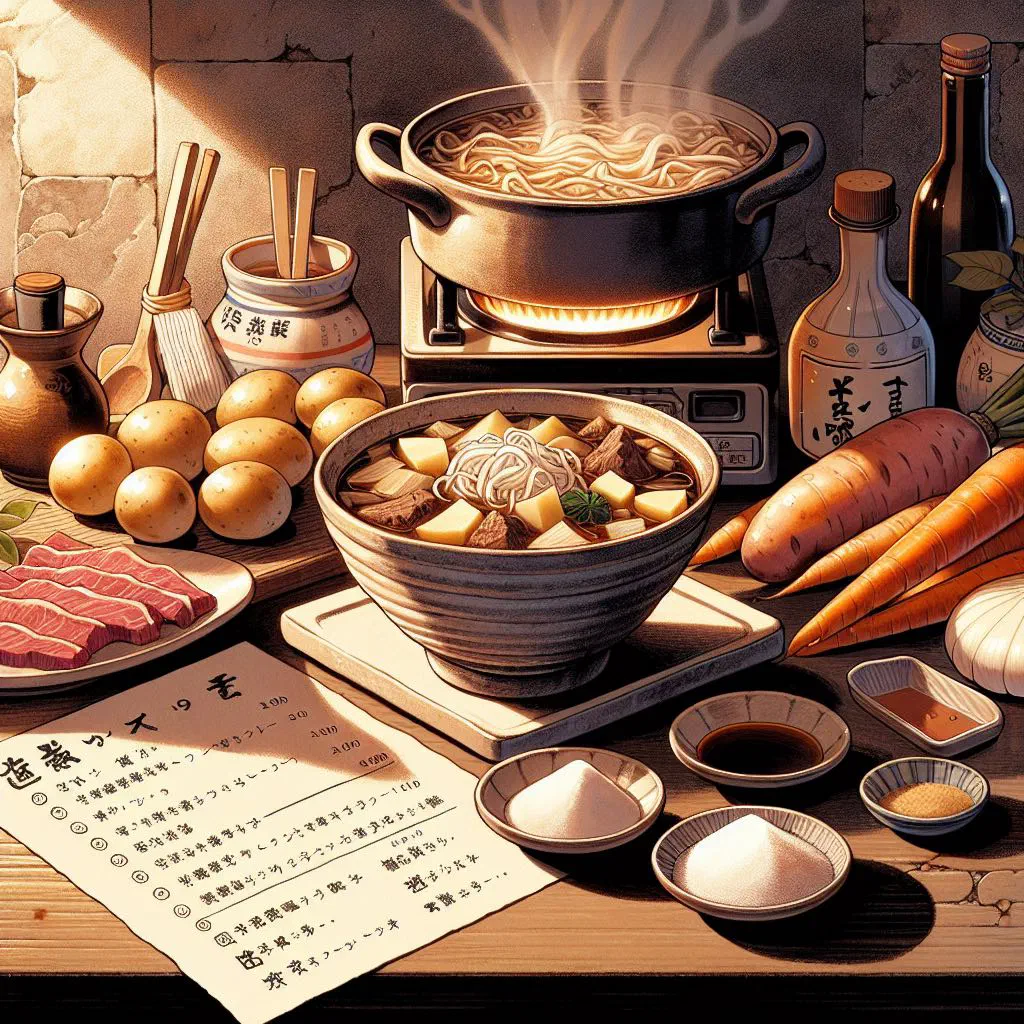
Discover Nikujaga, one of Japan’s most cherished comfort dishes. This homely stew brings together tender beef, soft potatoes and sweet onions in a glossy, lightly sweet soy broth. With the gentle warmth of mirin and soy sauce, it is the kind of food families turn to for a cosy evening in or a quiet, special occasion. Bring a taste of the Japanese home kitchen straight to your own table.
About Nikujaga
Nikujaga is a traditional Japanese dish prized for its hearty flavours and its wonderfully simple preparation. The name says it all: niku means meat and jaga stands for potato, hinting at the two stars of the recipe. It is one of the best-loved examples of Japanese home cooking, served at family gatherings on special days or simply as a warming weeknight supper. Its distinctive character comes from the balance of soy sauce, mirin and sugar, which lend the stew its signature savoury-sweet depth.
Ingredients (serves 1–2)
- 200 g beef, cut into thin strips
- 2 medium potatoes, peeled and cubed
- 1 large onion, sliced into rings
- 2 carrots, sliced
- 1 cup soy sauce
- 2 tablespoons mirin
- 2 tablespoons sugar
- 1 tablespoon sesame oil
- 1 cup water
Shopping for the ingredients
To make nikujaga at its best, it pays to choose good-quality ingredients. You can find most of what you need at an Asian grocery or in the international aisle of a larger supermarket. Look for fresh vegetables and tender beef to get the very most out of the dish. If you are after gluten-free or lactose-free options, there are specialist products that work perfectly well in their place.
Preparing the dish
Getting nikujaga ready is refreshingly straightforward and takes only a few steps. Start by slicing the beef, preparing the vegetables and laying everything out so it is within easy reach once you begin cooking. A well-organised work surface makes the whole process far smoother. Take care not to cut the potatoes and carrots too large, so that they cook through evenly.
Step-by-step instructions
- Heat the sesame oil in a large pot over medium heat.
- Add the onions and sauté until softened.
- Add the beef to the pot and brown it lightly.
- Stir in the carrots and potatoes and mix everything together well.
- Pour in the soy sauce, mirin, sugar and water, then bring the mixture to the boil.
- Reduce the heat and let it simmer for around 30 minutes, until the vegetables are tender.
- Serve the nikujaga hot, with a bowl of steamed rice alongside.
Gluten-free / lactose-free version
For a gluten-free take on nikujaga, use gluten-free soy sauce, which is widely available at Asian markets. Check that your mirin is gluten-free too, as some brands contain wheat. A lactose-free version needs no special changes at all, since most of the ingredients are naturally free from lactose. As always, it is worth reading the labels carefully to rule out any hidden sources.
Tips for vegans and vegetarians
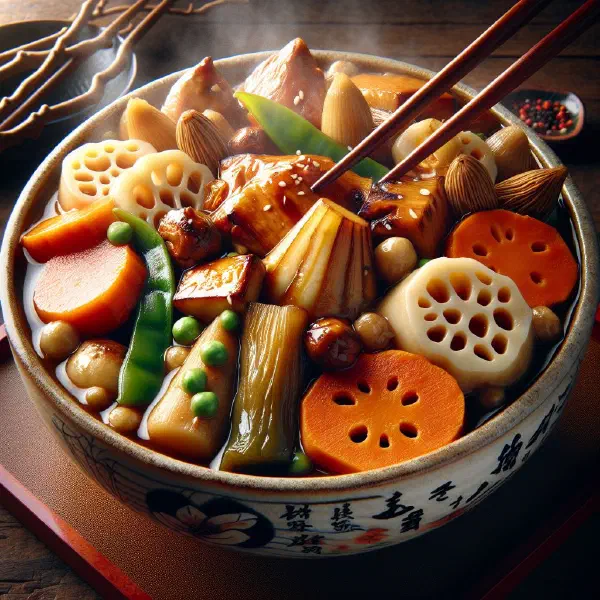
Although nikujaga is traditionally made with beef, it adapts easily into a vegan or vegetarian version. In place of the meat, try tofu or tempeh, both of which offer a similar satisfying texture. Swapping in a plant-based stock can deepen the umami flavour beautifully. With these tweaks the dish stays every bit as delicious without any animal products, much like the meat-free comfort of Yosenabe.
More tips and tricks
A few simple touches can take nikujaga even further. Experiment with extra vegetables such as peas or mushrooms to add variety and colour. Fresh herbs like spring onions or shiso lift the dish with extra aroma. A pinch of chilli introduces a gentle heat that brightens the whole bowl, should you fancy a little kick.
Adapting the recipe to your taste
The beauty of nikujaga is how readily it bends to your own preferences. If you like things sweeter, simply add a touch more sugar. Prefer it more savoury? Hold back a little on the soy sauce instead. Be playful and let different ingredients inspire you, so you can create a nikujaga that is unmistakably your own.
Ingredient substitutions
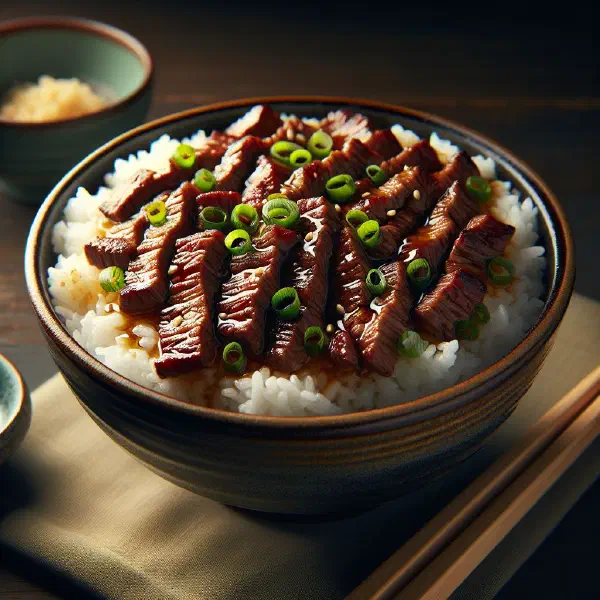
If some of the ingredients are not to your taste or hard to find, there are always alternatives. For a different flavour, swap the beef for chicken or pork, the same flexible approach that works so well in Butadon. Instead of classic soy sauce, tamari gives a milder, rounder note. You can also fold in seasonal local vegetables to make the stew more your own.
Drink pairing ideas
Plenty of drinks pair happily with nikujaga and bring out its savoury notes. A traditional Japanese green tea sits in perfect harmony with the rich flavours. Alternatively, a light beer or a mild sake makes an easy companion to the meal. Each of these helps the flavours of nikujaga come through all the more vividly.
Serving and presentation ideas
There is room to be creative with how you present nikujaga. Serve it in traditional Japanese bowls to lean into that homely, comforting feel. A scattering of fresh herbs or a few sesame seeds adds a welcome flash of colour as a garnish. A table dressed with Japanese touches, origami or soft candlelight, rounds off the whole experience.
A bit of history
Nikujaga traces its roots to the Meiji era, when Western influences first began shaping Japanese cooking. It was originally prepared for sailors and soldiers, and today it is regarded as a complete dish that unites nourishment and flavour. Thanks to its popularity in Japanese households, it has become a true cornerstone of the culture. Nikujaga reflects the simplicity and the seasonal ingredients so prized across much of Japanese cuisine.
More recipe ideas
Summary: Nikujaga
In short, nikujaga is a delicious and versatile dish that is simple to make and open to endless adaptation. The flavours never fail to satisfy. Perfect for a family evening or a special occasion alike, nikujaga earns its place on any menu. Enjoy the cooking and the eating of this classic Japanese dish in your very own home.