National Dish Japan: Ohitashi (Recipe)
In this article
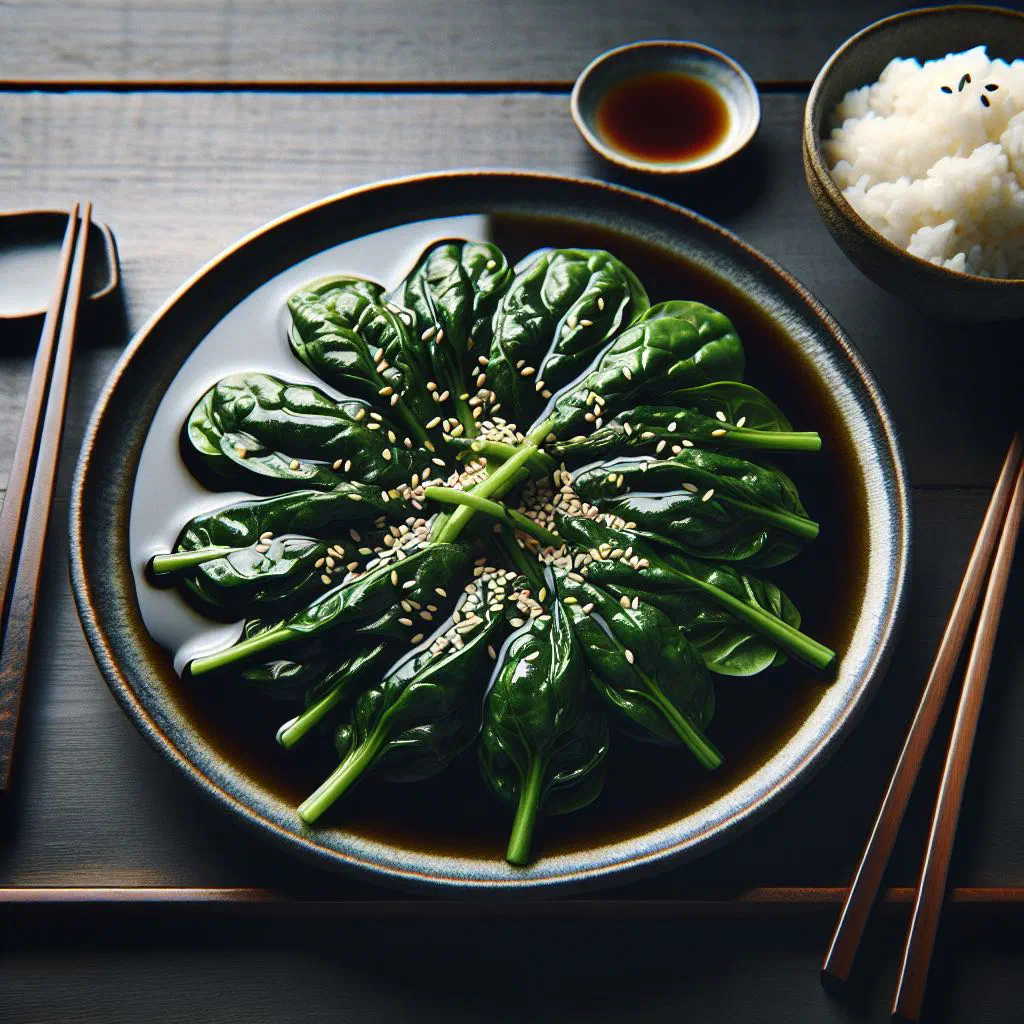
Discover Ohitashi, a quietly elegant classic of the Japanese table. This simple side dish takes tender blanched greens and bathes them in a savoury soy sauce dressing, letting the freshness of the vegetables shine. Light, healthy and quick to put together, it captures the very spirit of Japanese home cooking, restraint, balance and a deep respect for good ingredients. Bring a little of that calm, considered approach to your own kitchen.
About Ohitashi
Ohitashi is a traditional Japanese dish prized above all for its straightforward preparation and its exquisite taste. It is most often made with spinach, though plenty of other vegetables work beautifully too. Dishes like this reflect the philosophy at the heart of Japanese cooking, which aims to combine fresh ingredients with harmonious flavours. Ohitashi can be served as a side dish alongside a range of main courses, or simply on its own as a light starter.
Ingredients (serves 1–2)
- 200 g fresh spinach
- 2 tablespoons soy sauce
- 1 tablespoon mirin (sweet rice wine)
- 1 teaspoon sesame oil
- 1 tablespoon toasted sesame seeds
Shopping for the ingredients
For ohitashi it is worth choosing fresh, good-quality produce. The spinach should be vivid green and crisp to guarantee the best flavour. Soy sauce and mirin can be found in most Asian grocery shops or on the international shelf of a regular supermarket. Try to pick a soy sauce without added preservatives, so that nothing detracts from its pure, original taste.
Preparing the dish
Getting ready to make Ohitashi is quick and easy. Begin by washing the spinach thoroughly to remove any grit and sand. Blanch the spinach in boiling water for around 60 seconds to keep its bright colour and preserve the nutrients. Straight after blanching, it is important to plunge the spinach into iced water to stop the cooking process at once.
Step-by-step instructions
- Blanch the spinach in boiling water for 60 seconds.
- Refresh the spinach in iced water, then drain it well.
- Combine the soy sauce, mirin and sesame oil in a bowl.
- Gently lay the drained spinach in the marinade and mix well.
- Leave to stand for at least 10 minutes before serving so the flavours intensify.
- Scatter with toasted sesame seeds and serve.
Gluten-free / lactose-free version
For a gluten-free version of Ohitashi, use a gluten-free soy sauce, which is often made from rice rather than wheat. These products are widely stocked in supermarkets. Keep an eye on the labels of other ingredients such as mirin too, as some brands contain gluten. Lactose is not a factor in this dish, so a lactose-free preparation is generally no trouble at all.
Tips for vegans and vegetarians
The dish Ohitashi is naturally vegetarian and slots easily into a vegan diet. Just make sure the soy sauce contains no animal-derived ingredients. Dishes like this are healthy and nutritious and full of flavour. Vary the vegetables as you please to discover new tastes, much in the spirit of a wholesome Wafu Salad.
More tips and tricks
For a special touch when serving Ohitashi, arrange the dish in a beautiful bowl. Japanese makers of dedicated serving ware often offer attractively designed pieces that make the food look even more appealing. To deepen the aroma, drizzle a few drops of good-quality sesame oil over the dish once it is plated. Experiment with the marinade ingredients to find the perfect balance for your own palate.
Adapting the recipe to your taste
If you have particular preferences, the ingredients for Ohitashi are easy to adjust. For a more intense flavour, you could finely chop fresh garlic and stir it into the marinade. A squeeze of lemon or lime also gives the dish a refreshing lift. Vary the quantities to strike the ideal balance between sweetness, saltiness and umami for your individual taste.
Ingredient substitutions
If you do not have every ingredient for ohitashi to hand, there is no need to give up on the dish. Instead of spinach, other leafy greens such as bok choy or kale work very well. For a gluten-free soy sauce alternative you can reach for tamari. Experimenting with different vegetables has the added bonus of letting you discover new flavours and textures, the same curiosity that makes Kinpira Gobo such a rewarding side to explore.
Drink pairing ideas
When it comes to drinks with Ohitashi, green teas make perfect companions. A good-quality Sencha or Gyokuro adds to the harmony of the Japanese flavours. Alternatively, you might serve a light sake or a refreshing Japanese beer. These combinations underline the flavours of the dish and round off an enjoyable culinary experience.
Serving and presentation ideas
The presentation of ohitashi can be approached creatively to make the dish even more inviting. Use traditional Japanese ceramics to create an authentic atmosphere. You can also garnish the dish with a combination of toasted sesame seeds and fresh herbs. An attractive arrangement on the plate shows appreciation for the food and heightens the pleasure of serving it.
A bit of history
Ohitashi has a long history in Japanese cooking and is a fine example of the principles behind the umami flavour profile. Traditionally it is served in Japanese households as a light, healthy accompaniment to rice. It is a firm fixture of Japanese cuisine and is often prepared in seasonal variations. Thanks to its simple preparation and reliance on fresh ingredients, it is a timeless dish and a symbol of Japan’s food culture.
More recipe ideas
Summary: Ohitashi
In summary, Ohitashi is a simple, healthy and flavourful dish that captures the essence of Japanese cooking. The combination of blanched vegetables, a savoury marinade and easy preparation makes this classic a genuine treat, and not only for devotees of Japanese food. Whether as a side dish or a light starter, ohitashi offers a wonderful way to enjoy fresh vegetables. Pay a visit to your nearest Asian grocery soon and pick up the ingredients for this delicious dish.