National Dish Japan: Onigiri (Recipe)
In this article
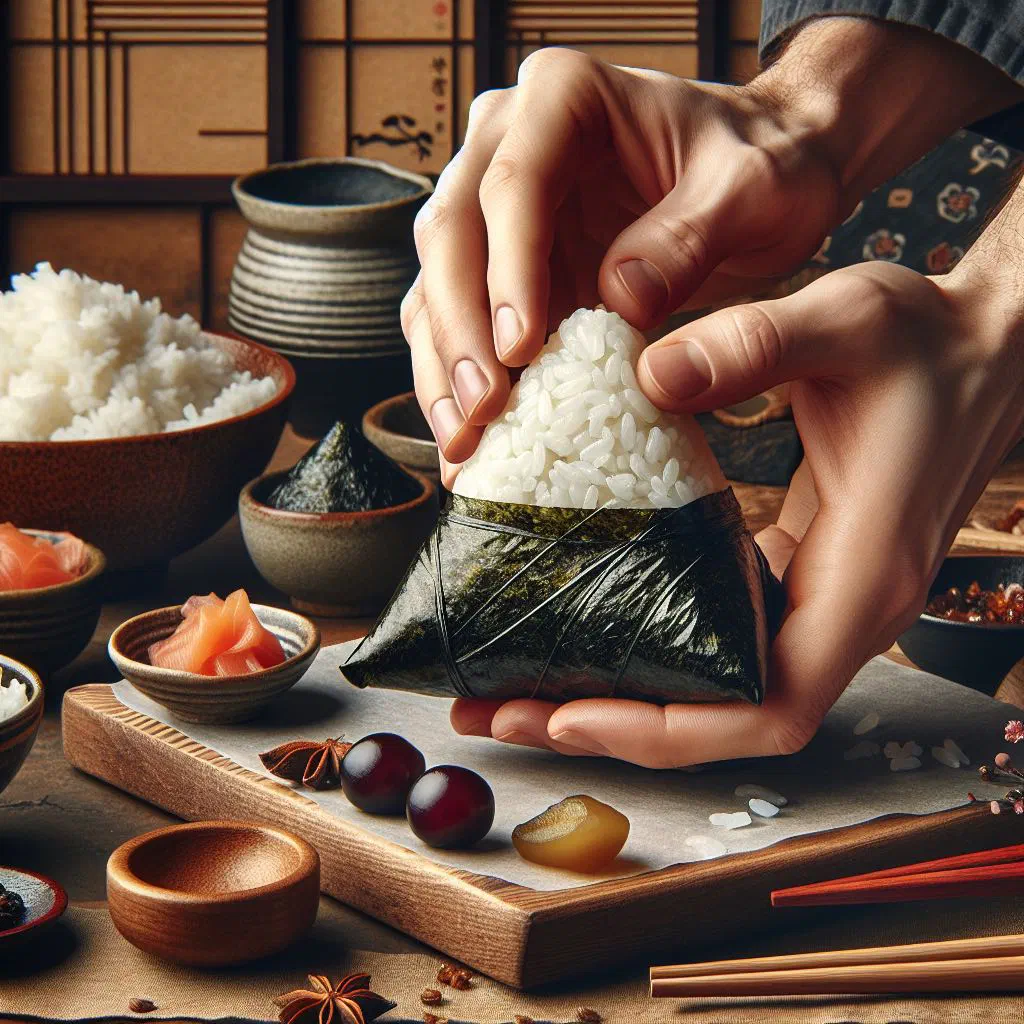
Say hello to Onigiri, one of Japan’s most beloved snacks. These neat little rice balls are simplicity itself: lightly salted rice shaped by hand, often tucked around a savoury filling and wrapped in a strip of crisp nori. Endlessly adaptable and effortlessly portable, they are just as welcome in a lunchbox as on a picnic blanket. With a handful of pantry staples, you can bring the authentic taste of Japan to your own kitchen.
About Onigiri
Onigiri, also known as rice balls, are among the best-known snack specialities of Japan. They are prized for their flavour and for their versatility and how easy they are to make. These small, handy parcels can be filled with a wide variety of ingredients, which makes them an ideal choice for any occasion. Onigiri offer a distinctive taste that wins over almost everyone.
Ingredients (serves 1–2)
- 200 g rice (short-grain sushi rice)
- 300 ml water
- 1–2 teaspoons salt
- 80 g salmon (grilled or pickled)
- Umeboshi (pickled plum), to taste
- Nori seaweed, for wrapping
- Sesame seeds or other seasonings of your choice
Shopping for the ingredients
When shopping for onigiri, it is important to choose a good-quality, sticky rice, as this forms the foundation of the dish. Make sure the rice is fresh and of high quality so you get the best results. Salmon or umeboshi can be found in many Asian grocery shops or online. Nori seaweed is also available in most supermarkets or in specialist stores selling Japanese foods.
Preparing the dish
Preparing onigiri takes only a few steps. First, you need to wash the rice thoroughly to remove excess starch. Then cook it according to the instructions on the packet. Once the rice is done, let it cool a little before working with it further. Remember to have all your ingredients ready so the assembly is quicker and more straightforward.
Step-by-step instructions
- Wash the rice thoroughly under running water until the water runs clear.
- Cook the rice with 300 ml water in a rice cooker or a pan until soft.
- Let the cooked rice cool a little, but do not allow it to go completely cold.
- Season the rice well with salt to give it flavour.
- Shape the rice into small balls or triangles and add your chosen filling.
- Wrap the onigiri in a strip of nori to boost the aroma even further.
- Serve the onigiri straight away, or pack them up to enjoy later.
Gluten-free / lactose-free version
Onigiri is naturally gluten-free, as long as you take care not to use soy sauce or other gluten-containing sauces. To keep it lactose-free, avoid any additional fillings that contain dairy products. When buying the ingredients, make a point of reading the labels, as some products can contain gluten or lactose unexpectedly. The main components, such as the rice and the filling, are usually free of allergens.
Tips for vegans and vegetarians
Vegans can easily adapt onigiri by choosing fillings such as tofu, sautéed vegetables or the traditional umeboshi. In place of salmon there are plenty of plant-based alternatives that are full of flavour. Use seasonings and marinades to achieve the taste you are after. A little avocado can also make for a creamy, delicious change of pace, much as it does in our Wafu Salad.
More tips and tricks
To keep your onigiri at their best, store them in an airtight container in the fridge. It is best to make them fresh, as they can dry out over time. When you prepare them, you can also try out different shapes to add variety. A good idea is to use a range of colourful fillings to make the dish more appealing.
Adapting the recipe to your taste
Onigiri offer a wonderful opportunity to experiment with fillings and ingredients. You can also use other local produce to give the dish a personal touch. Pay attention to the ratio of rice to filling so you strike the right balance. You can even try out different varieties of rice to vary the texture and flavour of your onigiri.
Ingredient substitutions
If you cannot find a particular filling, there are plenty of alternatives. Instead of salmon, you can use any kind of smoked or marinated fish, in the spirit of a Saba Shioyaki. For a vegetarian version, mushrooms or sweet potatoes are excellent options too. Chickpeas or quinoa also lend themselves well to nutritious, flavourful fillings. Give your creative side free rein.
Drink pairing ideas
Plenty of drinks pair nicely with onigiri and bring out the flavour. A fresh green tea is the classic choice and complements the flavours perfectly, as it does with a comforting bowl of Katsuobushi Ochazuke. Alternatively, you could serve sparkling water or a light Japanese beer. Fruit juices or mixed drinks, such as yuzu lemonade, make a refreshing addition to this savoury snack.
Serving and presentation ideas
The presentation of your onigiri can be every bit as important as the taste. Use colourful bowls and garnish the rice balls with fresh herbs or a slice of lemon. Combining different textures and colours can make the dish even more inviting. Finally, you can arrange them on a beautiful platter to make mealtimes feel that bit more special.
A bit of history
Onigiri have a long tradition in Japanese cooking and have been made for centuries. Originally, this snack was developed for journeys and as a practical, portable meal. The way onigiri are served has changed over time, but the basic idea remains the same: a tasty and nourishing option for everyone. Today they are a popular snack and a symbol of Japan’s food culture, sitting comfortably alongside other staples of Japanese cuisine such as Inarizushi.
More recipe ideas
Summary: Onigiri
In short, onigiri are a tasty, versatile Japanese delicacy that can be made with very little effort. The wide range of fillings and the many ways to adapt them make them a favourite snack for any occasion. Onigiri are nourishing and a small cultural experience. Enjoy the art of shaping onigiri and the wealth of flavour that comes with it.