National Dish Japan: Ramen (Recipe)
In this article
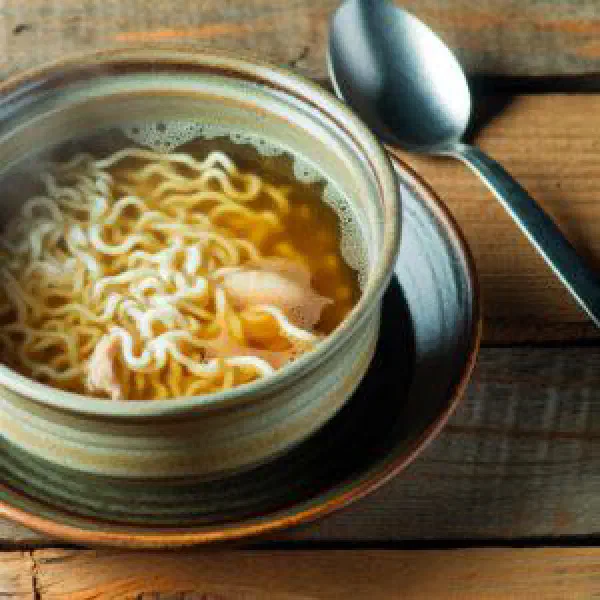
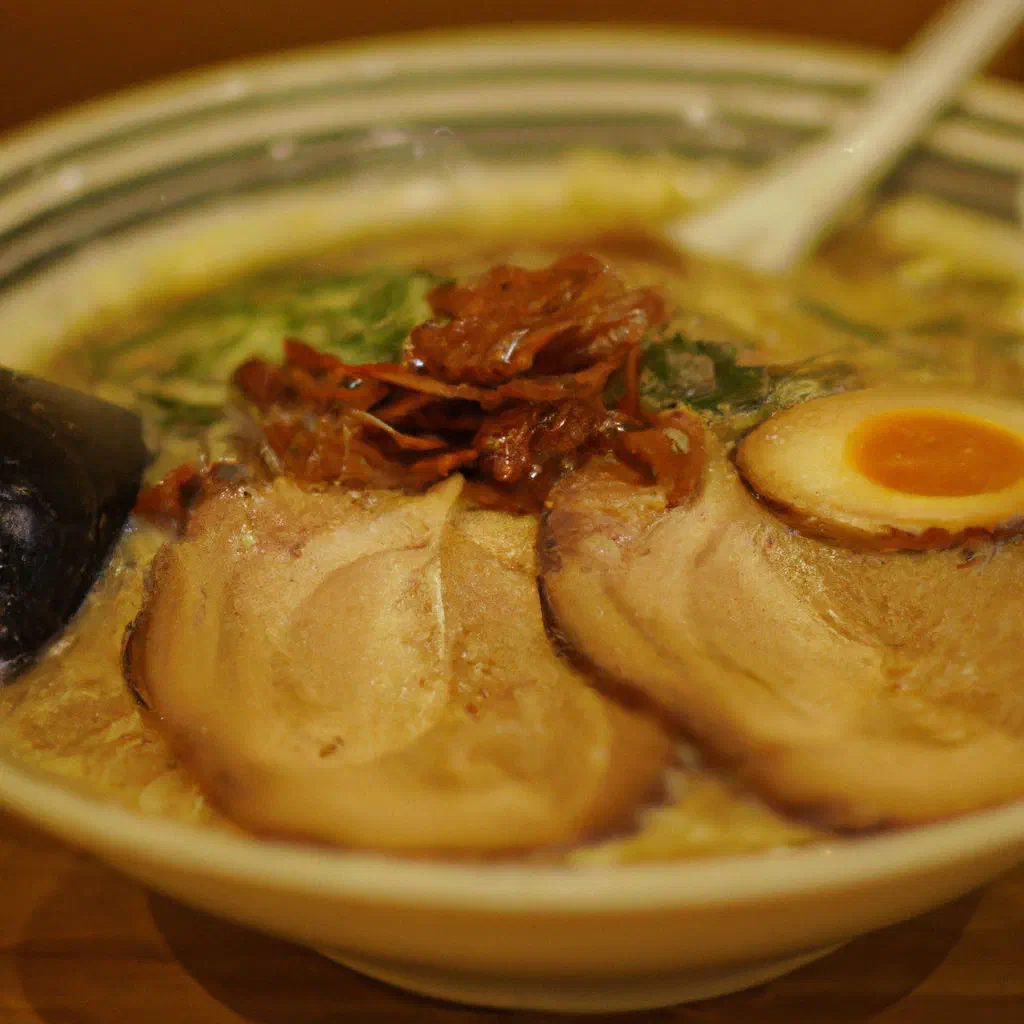
Few dishes say comfort quite like a steaming bowl of Ramen. This beloved Japanese noodle soup brings together springy noodles, a deeply savoury broth and a colourful array of toppings, all in one inviting bowl. From the rich aromas of ginger and garlic to the satisfying slurp of the noodles, ramen is the kind of food that warms you from the inside out. With this recipe you can bring the spirit of a busy Japanese noodle bar straight into your own kitchen.
About Ramen
Ramen is a much-loved Japanese noodle dish served with a flavourful broth, an assortment of toppings and tender noodles. There are many styles of ramen, each tied to a different region of Japan, among them Shoyu Ramen, Miso Ramen and Tonkotsu Ramen. Every variety has its own distinctive flavour and signature ingredients, which is exactly what makes the dish so endlessly appealing. At its heart, ramen is all about balance: a harmonious meeting of broth, noodles and carefully chosen garnishes that turns a simple bowl into something special. It sits proudly among the comfort classics of Japanese cuisine.
Ingredients (serves 1–2)
- 120–150 g noodles
- 1 litre broth
- 1 tablespoon fish sauce
- 1 tablespoon soy sauce
- 1 tablespoon grated ginger
- 1 tablespoon chopped garlic
- 3 tablespoons chopped mushrooms
- 1 boiled egg
- 2 tablespoons minced beef
- 2 tablespoons chopped vegetables (e.g. carrots, celery, cabbage)
- 2 tablespoons chopped spring onions
- 1 tablespoon lime juice
Shopping for the ingredients
When shopping for your ramen, it pays to choose fresh ingredients to bring out the very best flavour. Fresh vegetables and fresh mushrooms make a real difference to the aroma of the finished bowl. If you cannot find fresh ginger, ground ginger works as a handy substitute. It is also worth seeking out a good-quality fish sauce and soy sauce, as these form the backbone of the broth. An Asian grocery is the ideal place to track down the noodles and seasonings, though most ingredients are easy to find in a regular supermarket too.
Preparing the dish
Before you start cooking, it helps to have all your ingredients prepped and ready to go. Chop the vegetables and mushrooms into small pieces, and finely mince the garlic and spring onions. If you like, you can brown the minced beef in advance so it is ready to drop straight into the broth. A little organisation at this stage means the dish comes together quickly and smoothly once you begin.
Step-by-step instructions
- Cook the noodles according to the packet instructions.
- While the noodles cook, prepare the broth by adding the fish sauce, soy sauce, ginger, garlic and mushrooms to a pan and letting everything simmer together.
- Once the broth is ready, stir in the minced beef and the vegetables and let it simmer for a further 5 minutes.
- Add the cooked noodles to the broth and let everything simmer for another 2–3 minutes.
- Finally, add the chopped egg and spring onions, then serve with a squeeze of lime juice.
Gluten-free / lactose-free version
Ramen is naturally lactose-free, and it is easy to make gluten-free too. Simply swap the wheat noodles for rice noodles or one of the widely available gluten-free varieties, and choose a tamari-style soy sauce that is brewed without wheat. Check your fish sauce as well, as some brands contain hidden additives. With these small adjustments, everyone can enjoy a satisfying bowl without worrying about the ingredients.
Tips for vegans and vegetarians
Although ramen often includes animal products, it adapts beautifully to a vegan or vegetarian table with a few simple swaps. Use tofu or seitan in place of the minced beef, and reach for a vegetable broth instead of a meat-based one. Replace the fish sauce and soy sauce with plant-based alternatives, and leave out the egg or use a vegan substitute. Fresh vegetables and mushrooms keep the bowl every bit as hearty and full of flavour.
More tips and tricks
To get the very best from your ramen, let the broth simmer gently so the flavours have time to deepen and develop. A squeeze of lime just before serving brightens the whole bowl and adds a welcome freshness. Toasting the garlic and ginger briefly before adding the liquid will coax out an even richer aroma. Do not be afraid to taste and adjust the seasoning as you go, a little more soy sauce can make all the difference.
Adapting the recipe to your taste
Ramen is wonderfully versatile and easy to tailor to your own preferences. Add a spoonful of chilli oil or a pinch of chilli flakes if you like a fiery kick, or keep it mild for a gentler bowl. You can vary the toppings endlessly. Switching between Shoyu, miso or a creamy tonkotsu-style base lets you create a completely different bowl each time.
Ingredient substitutions
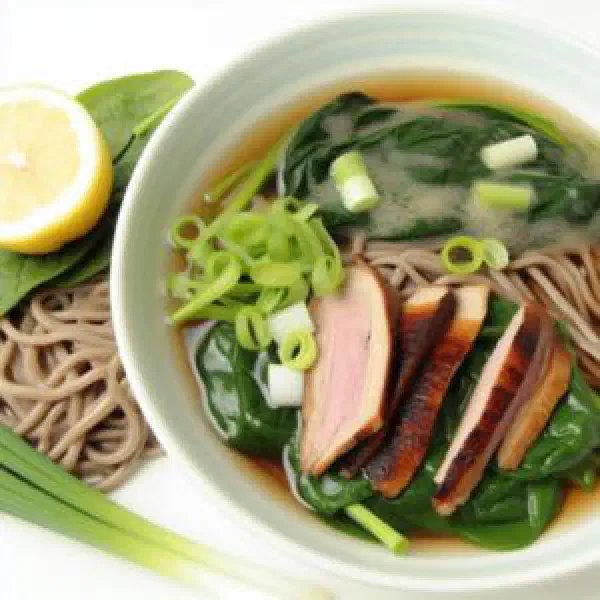
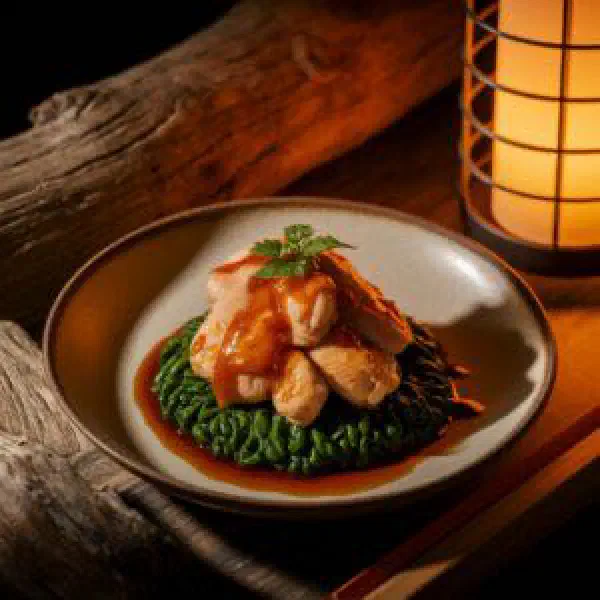
If certain ingredients are not to hand, there are plenty of creative alternatives. Swap the minced beef for shredded chicken, tofu or even leftover roast, much like the comforting meat in a Butadon. Any noodles will do at a pinch, udon or soba both work well, as they do in a warming bowl of Yosenabe. If you have no fresh ginger, ground ginger steps in nicely, and a splash of extra soy sauce can stand in for fish sauce when you need it.
Drink pairing ideas
A refreshing, alcohol-free drink rounds off a bowl of ramen beautifully. A delicious blend of green tea and lime juice is a perfect match, echoing the Asian flavours of the dish with a cooling, zesty lift. A chilled barley tea or a simple sparkling water with a slice of citrus also works well, cleansing the palate between mouthfuls of rich, savoury broth.
Serving and presentation ideas
Presentation can turn a good bowl of ramen into a memorable one. Serve it in a deep, generous bowl and arrange the toppings in neat sections so each one stands out. Place the halved soft-boiled egg front and centre, scatter the spring onions over the top, and add a sheet of nori at the edge for that authentic noodle-bar look. A little colour from the vegetables makes the whole dish look as inviting as it tastes.
A bit of history
Ramen is a Japanese national dish that took shape in the 19th century. It began life with Chinese noodles, which were combined with a Japanese broth and local ingredients to create something entirely new. Over time, ramen grew into one of Japan’s most beloved everyday meals, with regional styles springing up across the country. Today it has won fans far beyond Japan, becoming a global symbol of soulful, satisfying comfort food and a true highlight of Japanese cuisine.
More recipe ideas
Summary: Ramen
Ramen is far more than a simple bowl of soup; it is a complete culinary experience that captures the warmth and depth of Japanese cooking. With its savoury broth, springy noodles and endless choice of toppings, it offers comfort and flavour in equal measure. Ramen brings a little soul to any table. Give this Japanese favourite a try, one steaming bowl and you will understand why it is loved the world over.