National Dish Japan: Saba-zushi (Recipe)
In this article
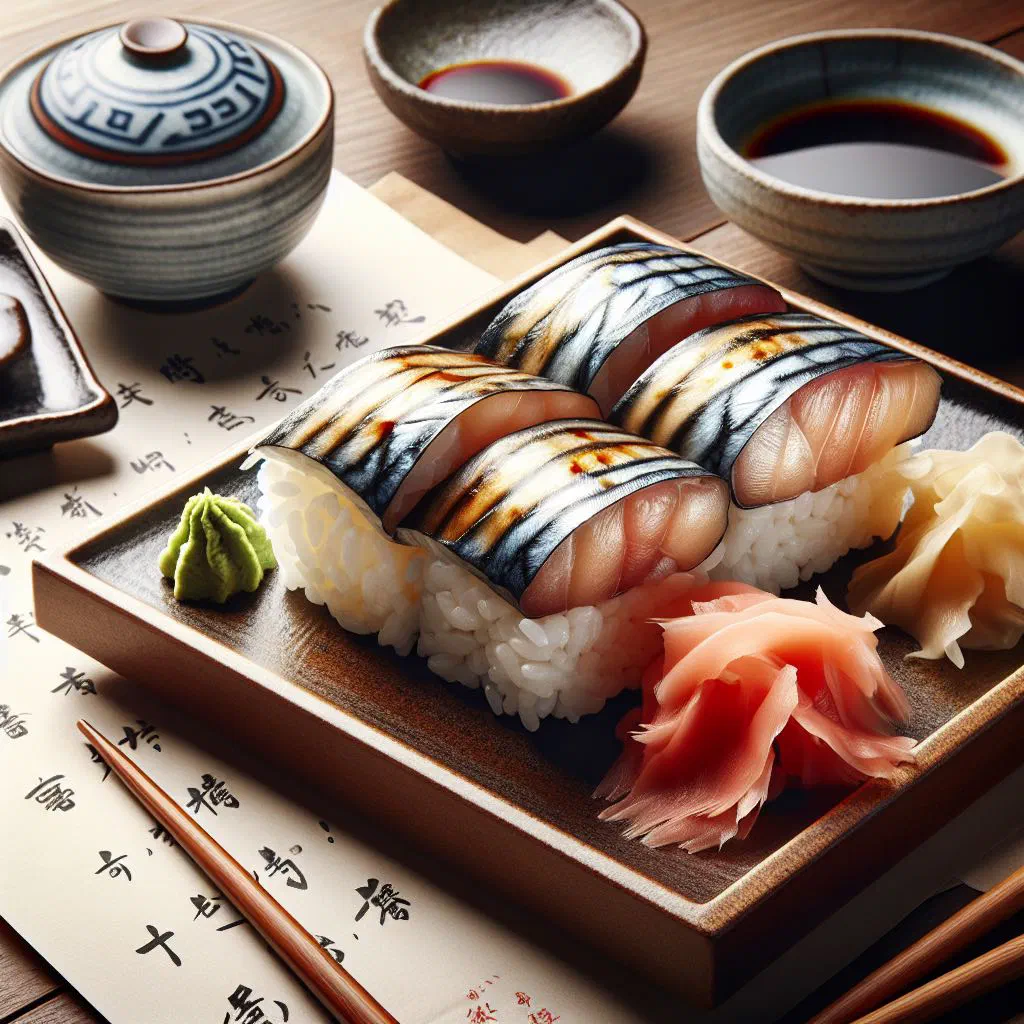
Discover Saba-zushi, a refined classic from the Japanese kitchen that brings together rich, marinated mackerel and gently seasoned vinegared rice. The pressed shape and clean lines make it a beautiful dish to look at, yet it is far simpler to make at home than its elegance suggests. With its balance of savoury fish and lightly sweet rice, it is a true treat for sushi lovers and anyone who enjoys the bold, honest flavours of the sea.
About Saba-zushi
Saba-zushi is a traditional Japanese dish defined by its distinctive pairing of fresh mackerel and aromatic rice. In Japan, mackerel is a hugely popular fish, prized both for its rich flavour and for its nourishing qualities. Thanks to a special method of preparation the fish is lightly marinated, creating a lovely contrast between the delicate sweetness of the rice and the hearty, intense taste of the fish. For food lovers and sushi enthusiasts alike, this is a genuine delicacy.
Ingredients (serves 1–2)
- 200 g mackerel (fresh or smoked)
- 150 g sushi rice
- 3 tablespoons rice vinegar
- 1 tablespoon sugar
- 1 teaspoon salt
- Nori sheets (optional)
- Wasabi and pickled ginger, to serve
Shopping for the ingredients
If you would like to make Saba-zushi, it is worth seeking out fresh ingredients to achieve the very best flavour. The fish is the heart of the dish, so it pays to buy good-quality mackerel. You should also use proper sushi rice, which has a sticky texture and takes up the seasonings beautifully. In Asian grocery shops or well-stocked supermarkets you will usually also find the essential seasonings such as rice vinegar, sugar and salt that the recipe relies on.
Preparing the dish
Before you begin making Saba-zushi, it is important to prepare the rice correctly. Rinse the sushi rice thoroughly under cold water until the water runs clear, then leave it to soak for around 30 minutes. Cook the rice according to the packet instructions, often using a ratio of 1:1.5 rice to water. While the rice cooks, you can prepare the mackerel by slicing it thinly and marinating it if needed.
Step-by-step instructions
- Tip the cooked rice into a bowl and add the rice vinegar, sugar and salt. Mix well so the flavours are evenly distributed.
- Cut the mackerel into fine slices and sprinkle lightly with salt so it has time to take on a little seasoning.
- Dampen a small bowl or mould with a little water, then press an even layer of rice into it.
- Arrange the marinated mackerel strips evenly over the rice, then add a further layer of rice on top.
- Cover the bowl with cling film and leave to rest in the fridge for about 30 minutes so the flavours can come together.
- Carefully turn the sushi out onto a plate and slice into even pieces. Serve with wasabi and pickled ginger to taste.
Gluten-free / lactose-free version
Saba-zushi is very easy to adapt to gluten-free and lactose-free needs. Take care that the sushi rice and marinade you use contain no gluten-bearing ingredients. Rice vinegar is generally gluten-free, though it is always sensible to double-check the label. Mackerel is naturally lactose-free, so no changes are needed there. These small adjustments let you enjoy a delicious dish without having to track down a whole new set of ingredients.
Tips for vegans and vegetarians
For vegans and vegetarians, an alternative version of Saba-zushi is well worth considering, swapping the mackerel for plant-based ingredients. A good option is to use avocado, cucumber or grilled peppers to echo the savoury, umami character of the dish. These alternatives are healthy and full of flavour, lending the sushi an interesting twist. By adjusting the seasoning for the rice and perhaps adding a little soy sauce, you can even suggest the taste of fish without using any animal products.
More tips and tricks
When you make Saba-zushi, a few useful tips can help you perfect the dish. Experiment with the water temperature and cooking time of the rice to achieve just the right consistency. You can also try different types of vinegar to give the dish a special note. It also helps to chill the sushi pieces for a few minutes before serving, as this firms up the texture and sharpens the flavour. The same careful approach pays off when you make Inarizushi or pressed Onigiri.
Adapting the recipe to your taste
Recipes are often easy to make your own, and Saba-zushi is no exception. You can change the ingredients or the marinating process to suit your personal preferences. Experiment with different fish such as tuna or salmon to create entirely new flavour experiences. You can also get creative with the accompaniments to tailor the dish even further to your liking. If you enjoy raw fish over rice, you might also like the simplicity of Tekka Don.
Ingredient substitutions
If you do not have every ingredient for Saba-zushi to hand, there are a few alternatives worth considering. In place of sushi rice you could use quinoa, which offers a similar texture and is rich in nutrients. Instead of rice vinegar, a mild apple cider vinegar can make a tasty stand-in. Even with the fish you can try other varieties, depending on your personal taste and what is available, much as you might when preparing Saba Shioyaki.
Drink pairing ideas
Choosing the right drink can deepen the experience of Saba-zushi considerably. Traditionally in Japan, green tea or sake is served, as these drinks complement the flavours of the food without overpowering them. For a livelier flavour combination, fruity cocktails or sparkling mineral water can also be a good choice. Experiment with different drinks to find the perfect partner for your sushi.
Serving and presentation ideas
The way you present Saba-zushi can have a real impact on the meal. Use an attractive serving plate or a stylish sushi tray to show the dish off at its best. Decorate the plate with fresh herbs or edible flowers to create visual appeal. Do not forget to serve wasabi and pickled ginger in small dishes alongside, to give the dish an authentic finishing touch.
A bit of history
Saba-zushi has an interesting history that reaches back to the 19th century. It was originally developed in the Kanazawa region as a way of preserving mackerel so that it would keep for longer. Historically it is one of the oldest forms of sushi and reflects the culinary traditions of the country. Today it is enjoyed not only in Japan but around the world, winning over countless sushi lovers as a proud example of Japanese cuisine.
More recipe ideas
Summary: Saba-zushi
In short, Saba-zushi is a delicious and wholesome dish that will pleasure far more than just dedicated sushi fans. With the right preparation and the right ingredients, you can easily recreate this delicacy at home. The possibilities are wonderfully varied.