National Dish Japan: Sakana no Nanbanzuke (Recipe)
In this article
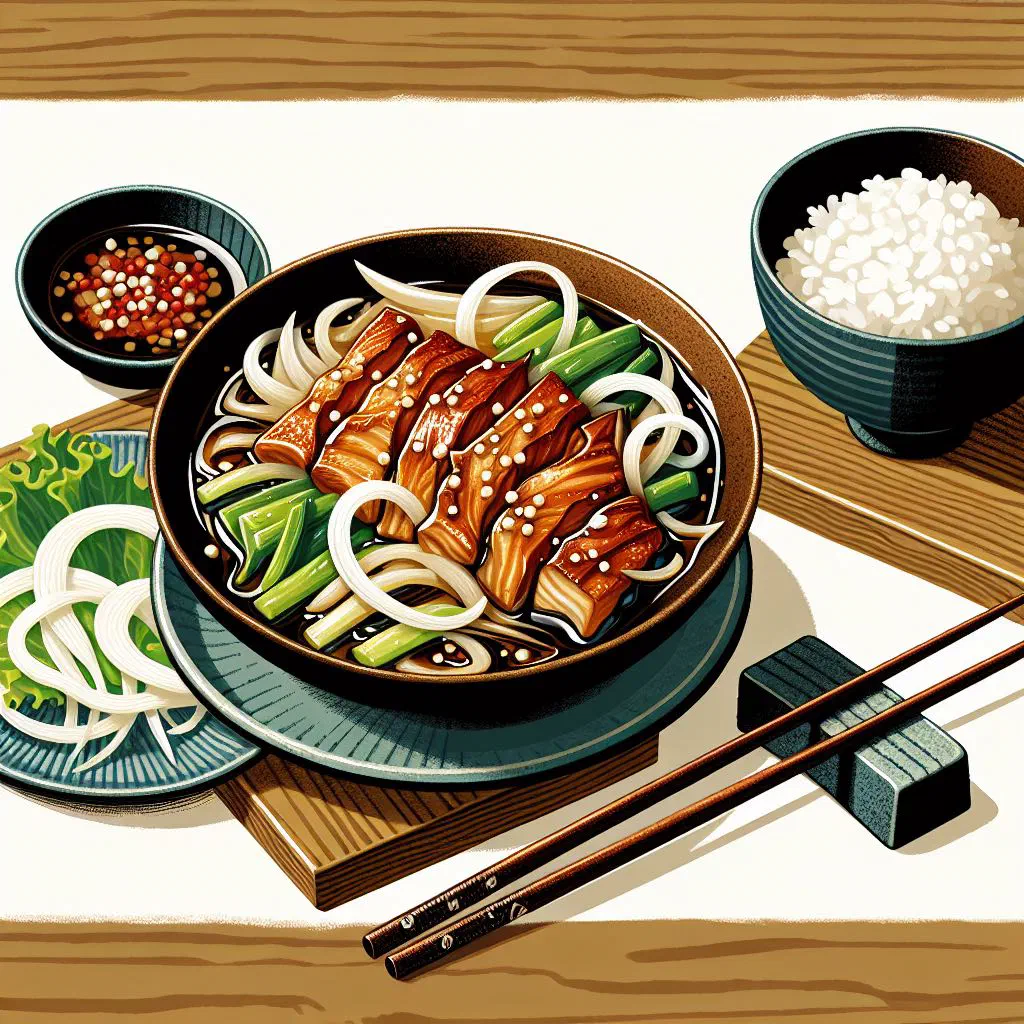
Discover Sakana no Nanbanzuke, a refined Japanese classic that brings together crisp fried fish, a tangle of fresh vegetables and a glossy sweet-and-sour marinade. Each piece of fish soaks up the bright, vinegary glaze until every bite is balanced between savoury and zingy. Light enough for a relaxed supper yet elegant enough for a special spread, this dish is pure pleasure on a plate and a wonderful way to bring the flavours of Japan into your own kitchen.
About Sakana no Nanbanzuke
Sakana no Nanbanzuke is a traditional Japanese dish built around exquisite flavours and a harmonious pairing of marinated fish, fragrant seasonings and fresh vegetables. It originally hails from Akita Prefecture and has since become a much-loved delicacy right across Japan. The preparation typically involves frying the fish before steeping it in a sweet-and-sour sauce that lends the dish its unmistakable character. Sakana no Nanbanzuke works beautifully as a light main course or as part of a more elaborate Japanese menu.
Ingredients (serves 1–2)
- 200 g white fish (such as pollock or sea bream)
- 50 g flour
- 1 egg
- 1 cup panko (Japanese breadcrumbs)
- 1/2 cup rice vinegar
- 2 tablespoons sugar
- 1 tablespoon soy sauce
- 1 small carrot, cut into fine strips
- 1/2 onion, sliced into rings
- 1 small pepper, cut into strips
- 1/2 teaspoon chilli flakes (to taste)
- Oil, for frying
Shopping for the ingredients
When shopping for Sakana no Nanbanzuke, choosing fresh fish makes all the difference. Visit a local fishmonger or a trusted supermarket to find the best quality available. Be sure to pick up fresh vegetables and a good soy sauce so the flavours of the dish really sing. An Asian grocery is often the easiest place to track down the more specialised ingredients such as panko and rice vinegar, both of which are essential to the recipe.
Preparing the dish
Begin by preparing the fish: fillet it and cut it into neat, even pieces. Let the fish rest at room temperature for around 15 minutes so it takes on the marinade more readily. Meanwhile, get the vegetables ready by slicing them into fine strips. This speeds up assembly and gives the finished dish its colourful, appetising look. Don’t forget to prepare the marinade as well, whisking together the vinegar, sugar and soy sauce before bringing it to the boil.
Step-by-step instructions
- Dredge the fish pieces first in flour, then in beaten egg, and finally in panko.
- Heat the oil in a pan and fry the breaded fish until golden brown.
- Lift out the fried fish and drain on kitchen paper.
- Prepare the marinade and steep the fried fish in it for at least 30 minutes.
- Let the vegetables sit in the marinade for a few minutes too.
- Arrange the fish together with the marinated vegetables and serve.
Gluten-free / lactose-free version
For a gluten-free version of Sakana no Nanbanzuke, simply swap the flour for a gluten-free alternative and use gluten-free panko breadcrumbs. As for lactose, the marinade is easy to make without any dairy at all, since this recipe is naturally lactose-free. The result is a delicious dish that suits a wide range of diets without any compromise on flavour.
Tips for vegans and vegetarians
A vegan take on Sakana no Nanbanzuke can be made by replacing the fish with tofu or seitan. Use firm tofu and press it well before breading to draw out any excess moisture. Reach for plant-based products throughout the marinade and double-check that your soy sauce is vegan-friendly. These small adjustments let vegans and vegetarians enjoy these traditional Japanese flavours too.
More tips and tricks
A key factor in the success of Sakana no Nanbanzuke is the marinating time. The longer the fish sits in the marinade, the more deeply the flavours develop. To make the most of this, marinate the fish overnight before serving for an even more aromatic, flavourful result. Take care not to overdo it, though, as leaving the fish too long can make it overly soft.
Adapting the recipe to your taste
The ingredients in Sakana no Nanbanzuke are easy to tailor to your own preferences. Feel free to add different vegetables depending on the season and what you fancy. You can also dial the heat up or down by adjusting the amount of chilli flakes. Experiment with other types of fish, or even seafood, to personalise the dish and uncover a whole range of flavours that suit your style, much as you might with the seafood notes of Ebi Chiri.
Ingredient substitutions
If you come across an ingredient that is hard to find, there are plenty of substitutions to fall back on. Cider vinegar makes a fine stand-in for rice vinegar, for instance. And if you can’t get hold of panko, ordinary breadcrumbs or even crushed cornflakes work well. These swaps keep the dish tasting great even when the more specialised ingredients aren’t to hand, a flexible approach that serves you just as well when making Karaage.
Drink pairing ideas
A variety of drinks rounds off the Sakana no Nanbanzuke experience nicely. A light, cold Sapporo beer or a fresh, fruity sake both make excellent companions. If you prefer something alcohol-free, green tea or a delicate jasmine tea are lovely choices. These drinks help to underline the flavours of the dish and provide a harmonious accompaniment throughout the meal.
Serving and presentation ideas
Presentation plays an important part in making Sakana no Nanbanzuke as appealing as possible. Use colourful vegetables as a garnish and arrange the fish artfully on the plate. A scattering of freshly chopped herbs, such as coriander or chives, makes a pretty accent too. Don’t forget to set out an attractive dish for the marinade; this adds an extra element to the presentation and makes the meal more interactive.
A bit of history
Sakana no Nanbanzuke has a fascinating history rooted deep in Japanese culture. The word “Nanbanzuke” translates roughly as “sweet-and-sour marinated”, reflecting the influence of cuisines from beyond Japan’s shores. The dish brings together traditional Japanese cooking techniques with ingredients introduced from other countries, making it a symbol of the country’s culinary versatility. Over time it has grown into a popular choice enjoyed in countless restaurants and homes, and it sits proudly within the wider world of Japanese cuisine.
More recipe ideas
Summary: Sakana no Nanbanzuke
Looking back over Sakana no Nanbanzuke, it is clear this dish offers a delicious pairing of aromatic fish and fresh vegetables, perfectly rounded out by its sweet-and-sour marinade. It is simple to make and wonderfully versatile and adaptable, ready to suit the taste of every diner. Sakana no Nanbanzuke is a superb way to enjoy Japanese cooking. Let it inspire you, and give this wonderful dish a try yourself.