National Dish Japan: Sansai Ryori (Recipe)
In this article
Discover Sansai Ryori, Japan’s celebration of the wild and the seasonal. This time-honoured style of cooking turns foraged mountain vegetables and simple, wholesome ingredients into dishes that taste of the forest itself. With its gentle balance of savoury sesame oil, soy and fresh ginger, it offers an uniquely Japanese harmony of flavour, texture and good health. Bring a little of Japan’s mountain kitchens straight to your own table.
About Sansai Ryori
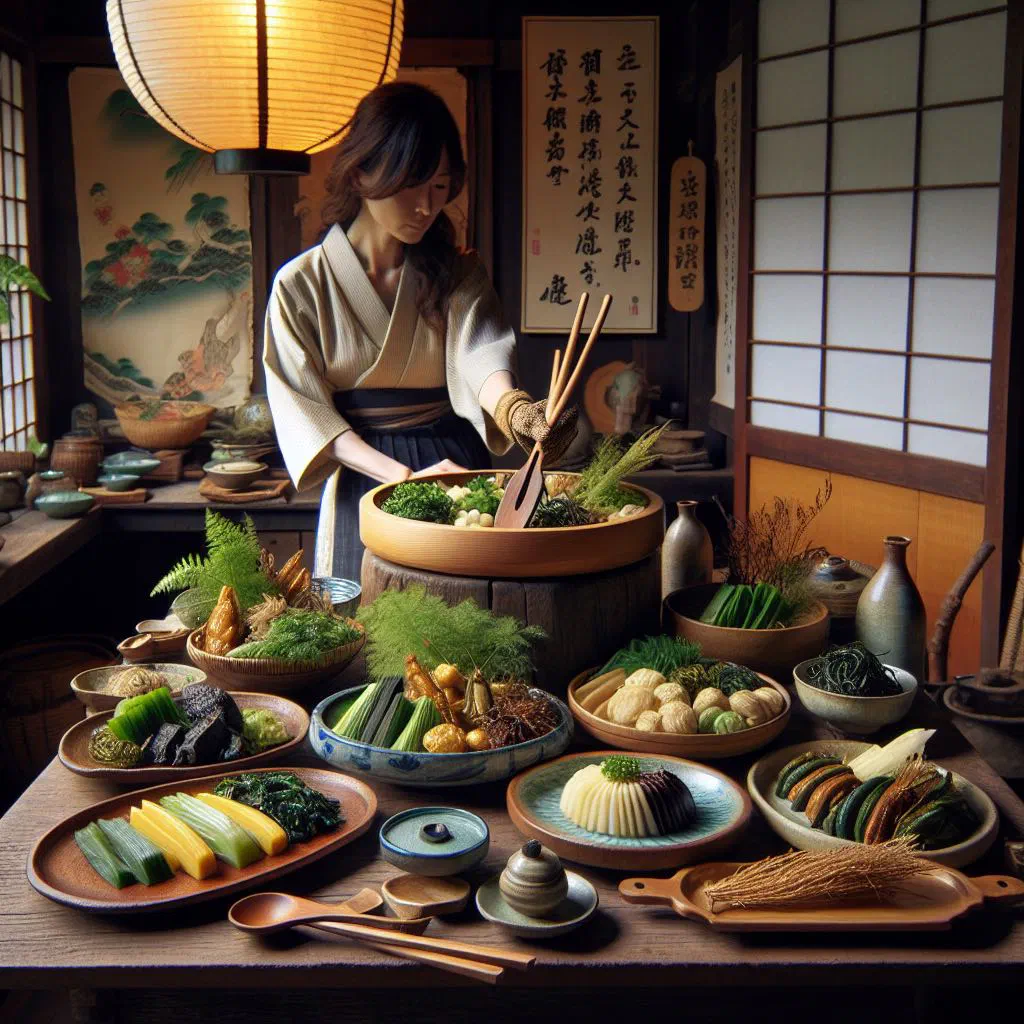
Sansai Ryori is a traditional Japanese style of cooking built around wild-growing plants and simple, nourishing ingredients. These dishes mirror the flavours of nature and offer a unique combination of taste and texture. The ingredients are often seasonal, gathered from the surrounding forests and mountains, which guarantees that everything on the plate is wonderfully fresh. Above all, this way of cooking puts the harmony between flavour and good health at its very heart.
Ingredients (serves 1–2)
- 100 g wild-growing plants (such as nettles or yarrow)
- 100 g tofu
- 2 tablespoons soy sauce
- 1 tablespoon sesame oil
- 1 clove garlic, finely chopped
- 1 teaspoon freshly grated ginger
- Sesame seeds, to garnish
Shopping for the ingredients
Sourcing the right ingredients is key to a good Sansai Ryori. Many of the plants used can be found at local markets or a well-stocked health-food shop, much as you would gather produce for a comforting bowl of Tonjiru. Keep an eye on the season and on the freshness of everything you buy. Pay particular attention to the wild-growing plants, since these are so often the stars of these dishes.
Preparing the dish
Preparation is an important step in Sansai Ryori. First, wash the wild-growing plants thoroughly and remove any traces of dirt or grit. Next, cut the tofu into small cubes and get the remaining ingredients ready. Good groundwork makes the cooking far easier and ensures that every component is ready exactly when you need it.
Step-by-step instructions
- Heat the sesame oil in a frying pan over medium heat.
- Add the chopped garlic and ginger and sauté briefly until fragrant.
- Add the tofu to the pan and fry until golden brown.
- Stir in the wild-growing plants and sauté for a short while.
- Pour the soy sauce over the mixture and stir everything well to combine.
- Serve the dish warm and garnish with sesame seeds.
Gluten-free / lactose-free version
Making Sansai Ryori gluten-free or lactose-free is straightforward. Use a gluten-free soy sauce, which is widely available in many shops, and choose a lactose-free tofu if needed. Most of the ingredients are naturally free from gluten and lactose, so these small adjustments are very easy to put into practice.
Tips for vegans and vegetarians
Sansai Ryori is naturally well suited to vegan and vegetarian diets. The tofu can be swapped for other plant-based proteins such as tempeh or seitan. The mix of seasonal plants delivers plenty of nutritional variety on its own, much as it does in a Wafu Salad. Experiment with different vegetables to find the perfect combination for your own taste.
More tips and tricks
The preparation of Sansai Ryori can be enriched with a variety of cooking methods. For an extra layer of flavour, try blanching or grilling some of the plants before adding them. Watch the cooking time of each ingredient carefully to achieve the ideal texture. Enjoy combining different textures and aromas within a single dish.
Adapting the recipe to your taste
Every Sansai Ryori recipe can be adapted flexibly to personal preference. Mix different kinds of wild-growing plants, or vary the seasonings to create a flavour all your own. If you like a little more heat, add chilli or cayenne pepper. The important thing is to shape each dish to suit your individual taste.
Ingredient substitutions
If you cannot find wild plants, everyday greens such as spinach or chard work beautifully too. The tofu can also be replaced with other protein sources such as beans or lentils to make the dish heartier, in the same spirit as the simmered comfort of Nikujaga. The key to Sansai Ryori lies in the choice and harmony of the ingredients, so there are many ways to adapt the recipe. Feel free to experiment with different flavours.
Drink pairing ideas
Light drinks that underline the flavour of nature pair wonderfully with Sansai Ryori. Green tea is an excellent choice, complementing the flavours of the dish while being healthy in its own right. If you fancy something different, you could also serve sake or a fruity non-alcoholic drink. The right pairing can enrich the whole culinary experience.
Serving and presentation ideas
Presentation plays a big part in the enjoyment of Sansai Ryori. Use simple yet elegant tableware to bring out the colours of the ingredients. Garnish the dishes with fresh herbs or a small splash of soy sauce for an extra accent. A beautifully arranged plate can lift the experience of eating considerably and convey a real sense of pleasure.
A bit of history
Sansai Ryori has deep roots in Japanese food culture and has been prepared for centuries. The tradition of gathering wild-growing plants, known as sansai, is woven into the Japanese way of life. This style of cooking encourages respect for nature and an awareness of seasonal change. For that reason, Sansai Ryori is steadily growing in popularity today, both within Japan and internationally, as part of the wider world of Japanese cuisine.
More recipe ideas
Summary: Sansai Ryori
In short, Sansai Ryori is a delicious and healthy introduction to Japanese cooking. The use of fresh, seasonal ingredients and the artistry of the preparation turn every dish into an experience. Whether vegan, vegetarian or made with animal products, the flexibility of these recipes lets everyone enjoy this culinary heritage. Let it inspire you and discover the variety of nature on your own plate.