National Dish Japan: Satsumaage (Recipe)
In this article
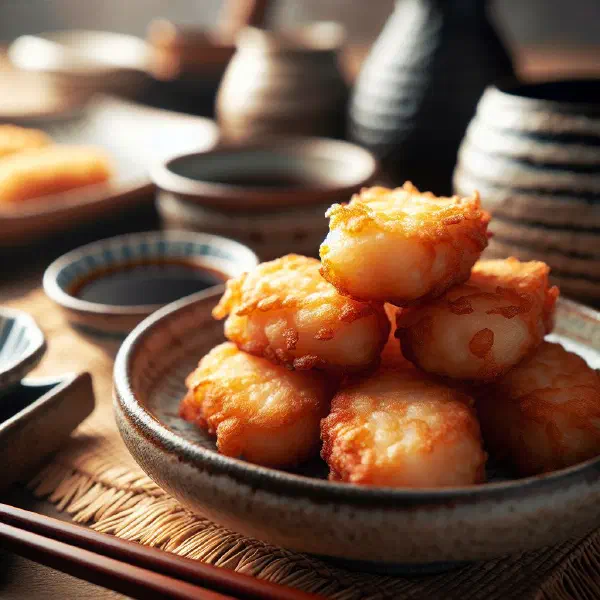
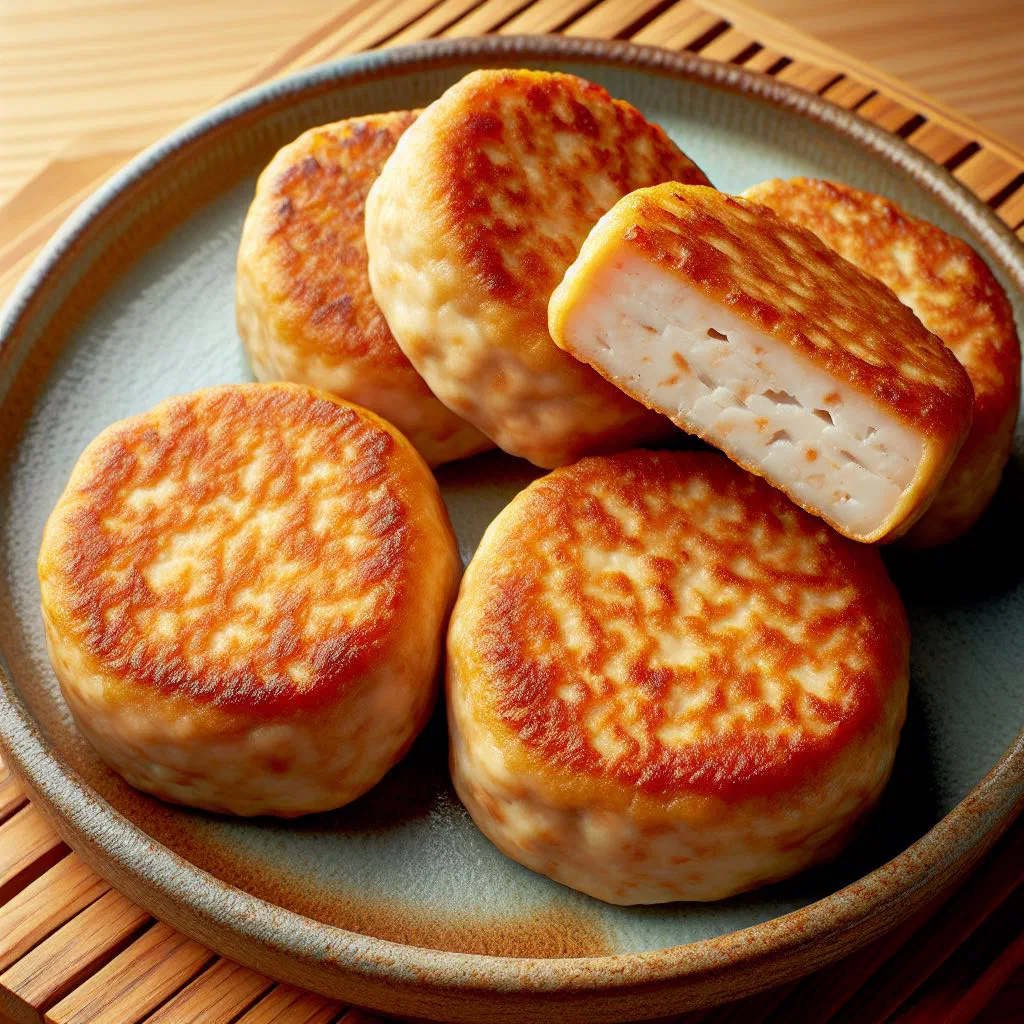
Discover Satsumaage, one of Japan’s most moreish street-food treasures. These golden, deep-fried fish cakes hail from the southern region of Kyushu, where they have long been prized for their delicate flavour and springy bite. Made from pounded fish folded together with vegetables and seasonings, they slip happily into a bowl of soup, sit proudly on a plate of nibbles or make a satisfying snack on their own. Bring a taste of Japanese home cooking straight to your own kitchen.
About Satsumaage
Satsumaage are the delectable deep-fried fish cakes that count among the real delicacies of Japanese cuisine. This speciality has its origins in the Kyushu region and is famous for its gentle flavour and the sheer variety of ways it can be prepared. At its heart sits pounded fish, blended with ingredients such as vegetables and seasonings until smooth. A side dish or in a soup, satsumaage win people over with their versatility and their hearty, savoury character.
Ingredients (serves 1–2)
- 200 g pounded fish (such as white fish or tuna)
- 50 g potato starch or cornflour
- 1 egg
- 1 small onion, finely chopped
- 1 carrot, grated
- Salt and pepper, to taste
- Oil, for deep-frying
Shopping for the ingredients
To make satsumaage at home, it pays to choose ingredients that are fresh and of good quality. Freshly pounded fish is available in most Asian supermarkets, though frozen alternatives work just as well. Potato starch or cornflour is also easy to track down and gives the mixture the binding it needs. Don’t forget to pick up fresh vegetables such as onions and carrots, as they lend the dish not only flavour but a lovely splash of colour too.
Preparing the dish
Preparing satsumaage is quick and straightforward. First, weigh out all your ingredients and have them ready to go. The vegetables need to be finely chopped or grated so that they fold evenly into the fish paste. It is also worth having all your utensils, bowls, spoons and so on, close to hand so that the cooking process runs smoothly from start to finish.
Step-by-step instructions
- In a large bowl, combine the pounded fish, the potato starch, the egg, the onion and the carrot.
- Season with salt and pepper and knead the mixture thoroughly until it forms a smooth, even paste.
- With damp hands, shape the paste into small cakes and set them out on a plate.
- Heat plenty of oil in a pan and deep-fry the cakes until golden brown.
- Drain the finished satsumaage on kitchen paper and serve warm.
Gluten-free / lactose-free version
For a gluten-free version of satsumaage, swap the potato starch for rice or tapioca starch. These starches contain no gluten yet still give the dish the structure it needs. Take care, too, to use gluten-free seasonings, especially with any ready-prepared products. Since the recipe contains no dairy, satsumaage are naturally lactose-free, so everyone can enjoy them.
Tips for vegans and vegetarians
For a vegan or vegetarian take on satsumaage, use a pounded plant-based fish substitute, or adapt the filling with puréed beans, vegetables and seasonings. In place of egg, try flaxseed or chia seeds soaked in water to bind the mixture. Puréed chickpeas are another excellent option for adding extra texture and nutrients. Don’t forget to adjust the seasonings to taste so the cakes have a full, rounded flavour.
More tips and tricks
To make perfect satsumaage, the temperature of the oil is everything. Oil that is too hot will scorch the outside while the inside stays raw. Use a kitchen thermometer to make sure the oil sits at around 180 °C. It also helps to avoid overcrowding the pan, so that the cakes fry evenly and turn a uniform golden brown.
Adapting the recipe to your taste
Satsumaage are remarkably flexible when it comes to ingredients. You can fold in different vegetables such as broccoli, spinach or courgette, depending on your preferences and the season. Seasonings such as ginger or garlic can also be added to deepen the flavour. Experiment with the mixture and find your own perfect combination.
Ingredient substitutions
In place of pounded fish, you can use a plant protein such as tofu or seitan if you would rather keep things meat-free. Should you find yourself without potato starch, cornflour makes an excellent stand-in and can be used in the same quantity. Keep an eye on the texture of your paste to ensure the cakes hold together well, much like the carefully judged batter behind a good plate of Tori no Karaage. Substitutions like these let you get creative and discover new flavours along the way.
Drink pairing ideas
A number of drinks pair beautifully with satsumaage and play off their savoury character. A cup of fresh green tea is the classic choice, complementing the richness of the fried cakes. Alternatively, a Japanese beer or a measure of sake brings out the flavour particularly well. For those keeping things alcohol-free, a green smoothie or a fruity lemonade also works a treat.
Serving and presentation ideas
Present your satsumaage on a handsome, decorative plate to show off their colours and textures. Garnish with fresh herbs such as coriander or spring onions for extra aroma and an inviting look. An appealing presentation not only whets the appetite but makes for a wonderful eating experience.
A bit of history
Satsumaage have a long history in Japanese cooking and first rose to popularity as street food. The name “Satsuma” points to the Kyushu region, where this speciality is held in especially high regard. Traditionally, these fish cakes were made by fishermen looking for a tasty way to use their fresh-off-the-boat catch. Today, satsumaage are not only a much-loved snack but a fixture at many Japanese festivities and celebrations, and a fine example of Japanese cuisine.
More recipe ideas
Summary: Satsumaage
Satsumaage are a delicious and versatile Japanese speciality that everyone should try making at home. The pairing of pounded fish with fresh vegetables offers a flavour all of its own and no end of ways to adapt it. With simple ingredients and an uncomplicated method, you can have these delicate cakes ready in next to no time.