National Dish Japan: Sekihan (Recipe)
In this article
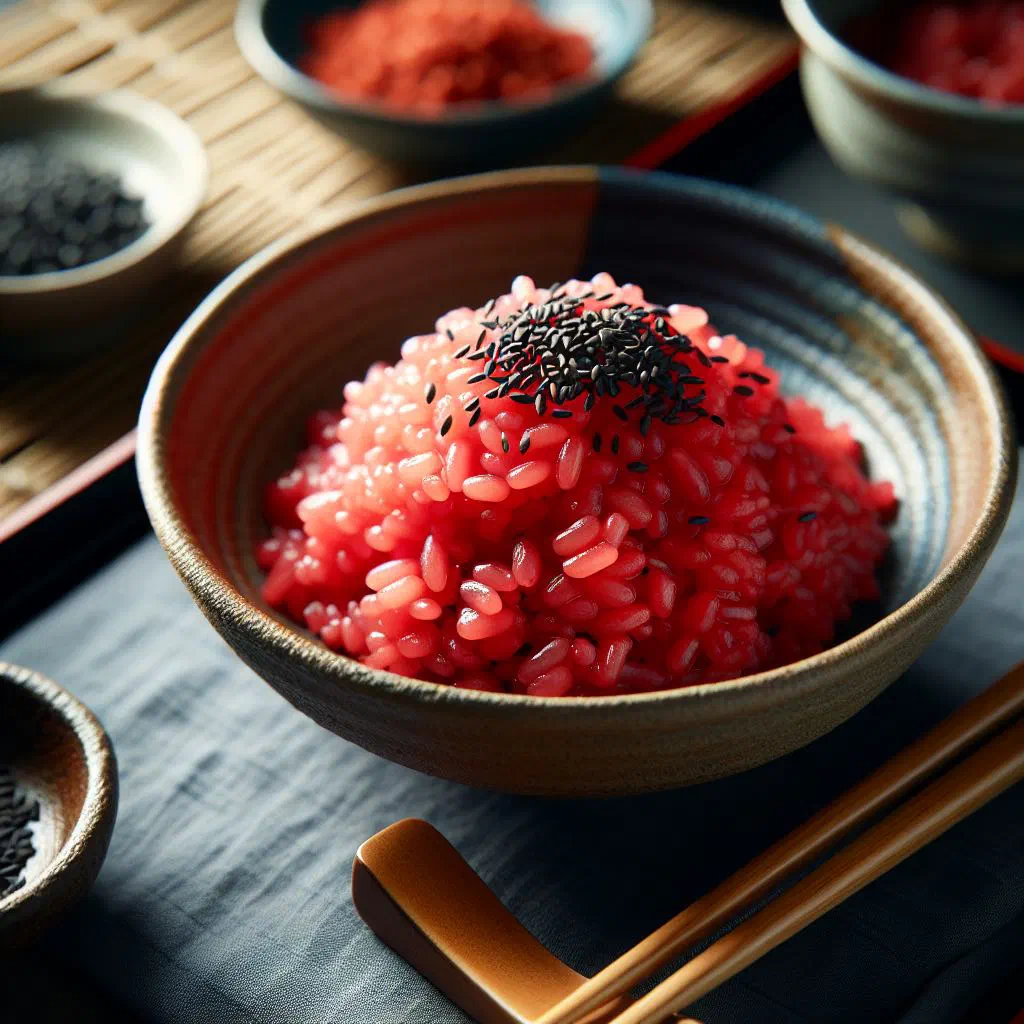
Discover Sekihan, the festive red rice that has graced Japanese tables for centuries. This auspicious dish marries plump glutinous rice with sweet adzuki beans, which lend it a striking rosy hue. Traditionally served at birthdays, weddings and New Year celebrations, its colour is a cheerful symbol of good fortune. Simple yet steeped in meaning, sekihan brings a little of Japan’s warmth and ceremony straight to your own kitchen.
About Sekihan
Sekihan is a traditional Japanese dish that holds a cherished place in the country’s food culture. It is made from glutinous rice combined with red beans, which give it its characteristic colour. This festive dish is often served at special occasions such as birthdays, weddings and New Year celebrations. The vivid red of sekihan symbolises good luck and prosperity, which is why it is regarded as a bringer of fortune in many Japanese households.
Ingredients (serves 1–2)
- 200 g glutinous rice
- 100 g red beans (preferably adzuki beans)
- 600 ml water
- A pinch of salt
- 2–3 tablespoons sesame seeds (optional)
Shopping for the ingredients
When shopping for sekihan, there are a few things worth keeping in mind. Glutinous rice (also known as sticky rice) is available from Asian supermarkets or specialist food shops. For the red beans, it is best to choose adzuki beans, which have a gently sweet aroma and are ideal for this dish. Try to buy good-quality ingredients, as this makes a real difference to the final flavour.
Preparing the dish
To make sekihan, careful preparation of the ingredients is important. First, soak the adzuki beans in water overnight so they soften and cook evenly. The glutinous rice should also be washed and soaked in fresh water to remove some of the starch. These steps are key to the texture of the dish and help ensure your sekihan turns out perfectly.
Step-by-step instructions
- Put the soaked red beans in a pan, cover with fresh water and bring to the boil. Cook for about 30 minutes, until tender.
- Drain the soaked glutinous rice in a separate sieve.
- Drain the cooked beans, reserving a little of the cooking liquid, then combine them with the rice.
- Add the water (600 ml) to the rice-and-bean mixture and bring to the boil over medium heat.
- Reduce the heat, put the lid on the pan and steam for about 20 minutes, until the water has been fully absorbed.
- Once cooked, remove from the heat and leave to rest for 10 minutes. Season with a pinch of salt and garnish with toasted sesame seeds, if using.
Gluten-free / lactose-free version
Sekihan is naturally gluten-free and lactose-free, as it consists mainly of rice and beans. Take care, however, not to add anything that contains gluten or lactose, such as certain sauces or seasonings. If you would like to experiment with extra flavours, you can use gluten-free soy sauce or other condiments suited to your diet. This way you can enjoy sekihan without worrying about allergens.
Tips for vegans and vegetarians
This recipe is perfectly suited to vegans and vegetarians, as it contains no animal products at all. To deepen the flavour further, you can use a vegetable stock instead of water when cooking the beans. Lean into a nutty or coconut note with toasted sesame seeds or a drizzle of nut oil if you fancy. That way you can be sure the dish is delicious and nourishing.
More tips and tricks
A few small tips can help you make sekihan even better. Mix all the ingredients well before steaming the dish to ensure an even consistency. If you prefer it a little sweeter, you can add a pinch of sugar or a touch of honey, which brings out the flavour of the beans beautifully. Keep an eye on the texture of the rice to make sure it turns out perfectly sticky rather than mushy.
Adapting the recipe to your taste
One of the great things about sekihan is how easily it adapts to personal preference. Experiment with different beans, such as black beans or white beans, if you fancy a change. You can also alter the ratio of rice to beans to fine-tune the texture and flavour to your liking. Don’t be afraid to play with seasonings and herbs to give your sekihan a personal touch, the same spirit of improvisation that makes a bowl of Onigiri so endlessly variable.
Ingredient substitutions
If you can’t find certain ingredients, there are a few alternatives you can turn to. Instead of adzuki beans, other red beans will work well, as long as they are sweet and aromatic. The glutinous rice can also be replaced with quinoa or brown rice, which makes the dish a little healthier. Bear in mind that the cooking time may vary, so adjust the instructions accordingly. For a soft, sweet companion built on the same sticky rice, try Kuzumochi.
Drink pairing ideas
To round off your sekihan meal, choosing the right drink matters. A fragrant jasmine tea or a mellow green tea pairs wonderfully with this dish and complements its flavours beautifully. For an alcohol-free option, you could offer a fresh fruit juice or a light soda, which suits the Japanese theme nicely. If you are planning an alcoholic accompaniment, a delicate sake would harmonise very well.
Serving and presentation ideas
Presentation is an important part of the enjoyment of a dish like sekihan. Serve it in an elegant bowl and decorate it with toasted sesame seeds and a scattering of coriander or chives to highlight the colours and textures. Use attractively designed chopsticks to complete the experience, and remember to choose a fitting plate for any side dishes. A thoughtful arrangement will please the eye as much as the palate.
A bit of history
The tradition of sekihan reaches far back into Japan’s history and is closely tied to many cultural festivals and ceremonies. It is often prepared for celebrations and special occasions to symbolise luck and prosperity. Historically, the red beans carried religious significance, standing for purity and blessing. Sekihan is therefore a delicious dish and a meaningful part of Japan’s cultural identity, a fine reflection of the depth of Japanese cuisine.
More recipe ideas
Summary: Sekihan
In summary, sekihan is a good dish that wins you over with its flavour and with its deep cultural meaning. With its combination of glutinous rice and red beans, it is both festive and symbolic. Sekihan brings the comforting warmth of Japanese cooking right into your home. Be bold, give this dish a try, and savour the flavours that embody the traditions of Japan.