National Dish Japan: Soba (Recipe)
In this article
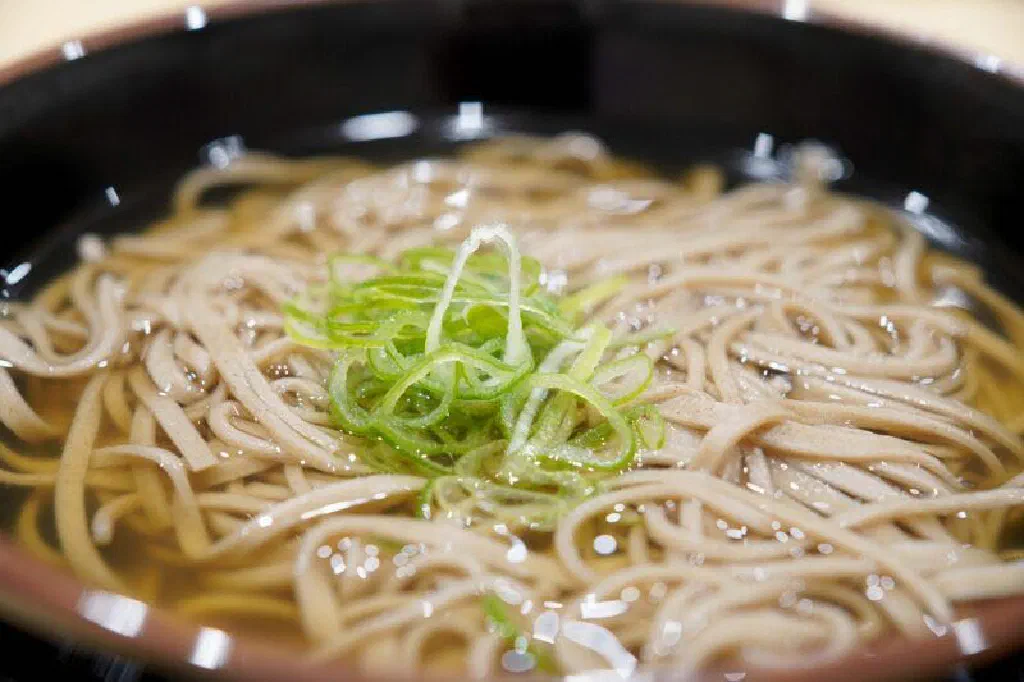
Few dishes capture the quiet elegance of Japanese cooking quite like Soba, the slender noodles made from earthy buckwheat. Loved across Japan and traditionally enjoyed at New Year, these noodles win you over with their gentle, nutty flavour and a refined simplicity that belies the skill behind them. With a fragrant dipping broth and a few well-chosen garnishes, you can bring a touch of authentic Japanese noodle craft to your own table.
About Soba
Soba is one of Japan’s most cherished dishes, and few foods sum up the country’s culinary spirit so neatly. Made primarily from buckwheat flour, the noodles have a distinctive nutty taste and are prepared using time-honoured techniques that demand both skill and patience. In Japan, soba is regarded as a national dish, enjoyed above all at New Year and after celebrations as a traditional meal. This noodle art has been refined across generations and remains an essential thread in the rich tapestry of Japanese cuisine.
Ingredients (serves 1–2)
- 200 g soba noodles
- 1 litre water
- 100 ml mirin (sweet rice wine)
- 100 ml soy sauce
- 1 teaspoon sugar
- 1 spring onion
- Wasabi and pickled ginger, to serve
- Optional: nori (seaweed), cut into strips
Shopping for the ingredients
You will find soba noodles, mirin and good-quality soy sauce in Asian supermarkets or well-stocked health-food shops. When choosing your noodles, look for a short ingredient list, genuine soba is made chiefly from buckwheat flour and water. If you cannot get to a specialist store, many of these Japanese pantry staples can also be ordered online, much like the seaweed used for Onigiri.
Preparing the dish
Begin by making the soba broth, known as tsuyu. Combine the mirin, soy sauce and sugar in a saucepan and heat gently until the sugar has completely dissolved, then set the broth aside to cool. Slice the spring onion into thin rings and prepare the wasabi to taste.
Step-by-step instructions
- Bring the water to the boil in a large pan.
- Add the soba noodles and cook until al dente, following the packet instructions.
- Meanwhile, pour the cooled tsuyu broth into a serving bowl.
- Drain the noodles, refresh them under cold running water and leave to drain fully.
- Arrange the soba on plates, scatter over the spring onion and add a few strips of nori.
- Serve the broth alongside, adding wasabi and pickled ginger as you like.
Gluten-free / lactose-free version
Soba is naturally lactose-free, since the dish contains no dairy at all. Making it fully gluten-free takes a little more care, as many noodles blend buckwheat with wheat flour, look instead for noodles labelled juwari soba, made entirely from buckwheat. Pair these with a tamari soy sauce in place of regular soy, and everyone can enjoy this delicate dish without worry.
Tips for vegans and vegetarians
This recipe is easily made vegan and vegetarian, as the tsuyu here is built from mirin, soy sauce and sugar rather than fish. Traditional broths often rely on dashi, a Japanese stock usually made with bonito flakes, so simply leave it out or swap in a vegetable-based stock for a plant-friendly version. Take care to check spice blends and ready-made products for hidden animal ingredients, much as you would when cooking Ohitashi.
More tips and tricks
To stop the soba noodles from clumping, rinse them thoroughly under cold water the moment they finish cooking. For a refreshing summer version, serve the noodles chilled with the tsuyu as a cool dip. A touch of grated radish or a sprinkle of toasted sesame seeds adds welcome depth, while a careful balance of mirin and soy keeps the broth from tipping too sweet or too salty.
Adapting the recipe to your taste
Soba is wonderfully easy to tailor to your own preferences. Add a little more wasabi for a sharper, spicier finish, or hold back for something gentler. You can serve the noodles hot in a steaming bowl of broth on a cold day, or cold with a dipping sauce when the weather turns warm. A scattering of extra toppings, from a soft-boiled egg to crisp tempura flakes, lets you build the bowl exactly as you like it.
Ingredient substitutions
If certain ingredients are not to hand, there are plenty of sensible swaps. When mirin is unavailable, a mix of sweet Marsala wine with a little sugar makes a good stand-in. Tamari can replace ordinary soy sauce, and a vegetable stock can stand in for fish-based dashi. The same flexible spirit serves you well across Japanese cooking, whether you are simmering Nikujaga or building a pot of Oden.
Drink pairing ideas
A range of drinks complements soba beautifully. Traditionally, a chilled sake or a cup of green tea is the natural partner, echoing the clean, nutty character of the noodles. A light, dry white wine also works well without overwhelming the dish. For a non-alcoholic option, cold barley tea offers a gently roasted note that suits the buckwheat perfectly.
Serving and presentation ideas
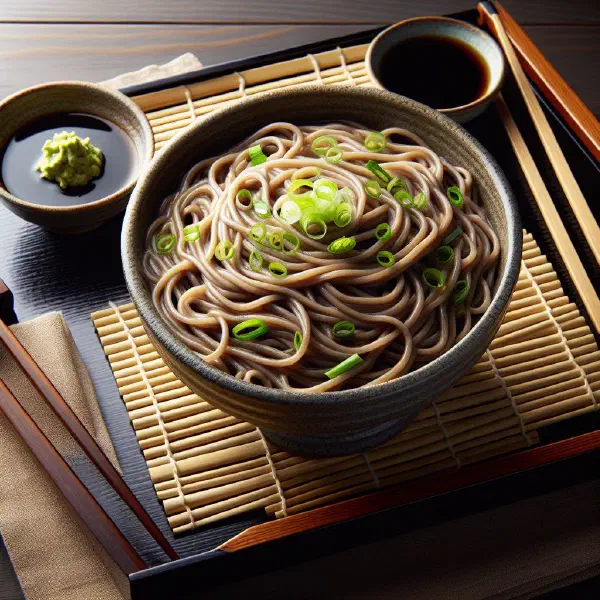
Presentation lifts the whole soba experience. Serve the noodles on a bamboo mat or in an attractive ceramic bowl, and offer the tsuyu in small, deep dishes for dipping. A garnish of spring onion, nori and a dab of wasabi adds both colour and contrast. Arranged with a few neat side dishes, the meal takes on the calm, considered look that defines Japanese dining.
A bit of history
The tradition of soba reaches back to the Edo period (1603–1868). Originally popular as a quick, affordable meal for ordinary people, and even as a remedy for beriberi, an illness caused by a lack of vitamin B1, it grew into a firm fixture of the national food culture. Eating soba at New Year, the so-called toshikoshi soba, came to symbolise a clean break with the old year and a wish for a long, healthy life.
More recipe ideas
Summary: Soba
Soba captures the very essence of Japanese cooking, offering a versatile noodle dish that suits every season and is wonderfully simple to prepare. With a fragrant tsuyu broth, a handful of fresh garnishes and a few helpful tips, anyone can enjoy a piece of genuine Japanese noodle craft at home. Soba is a quiet classic well worth mastering.