National Dish Japan: Sōmen (Recipe)
In this article
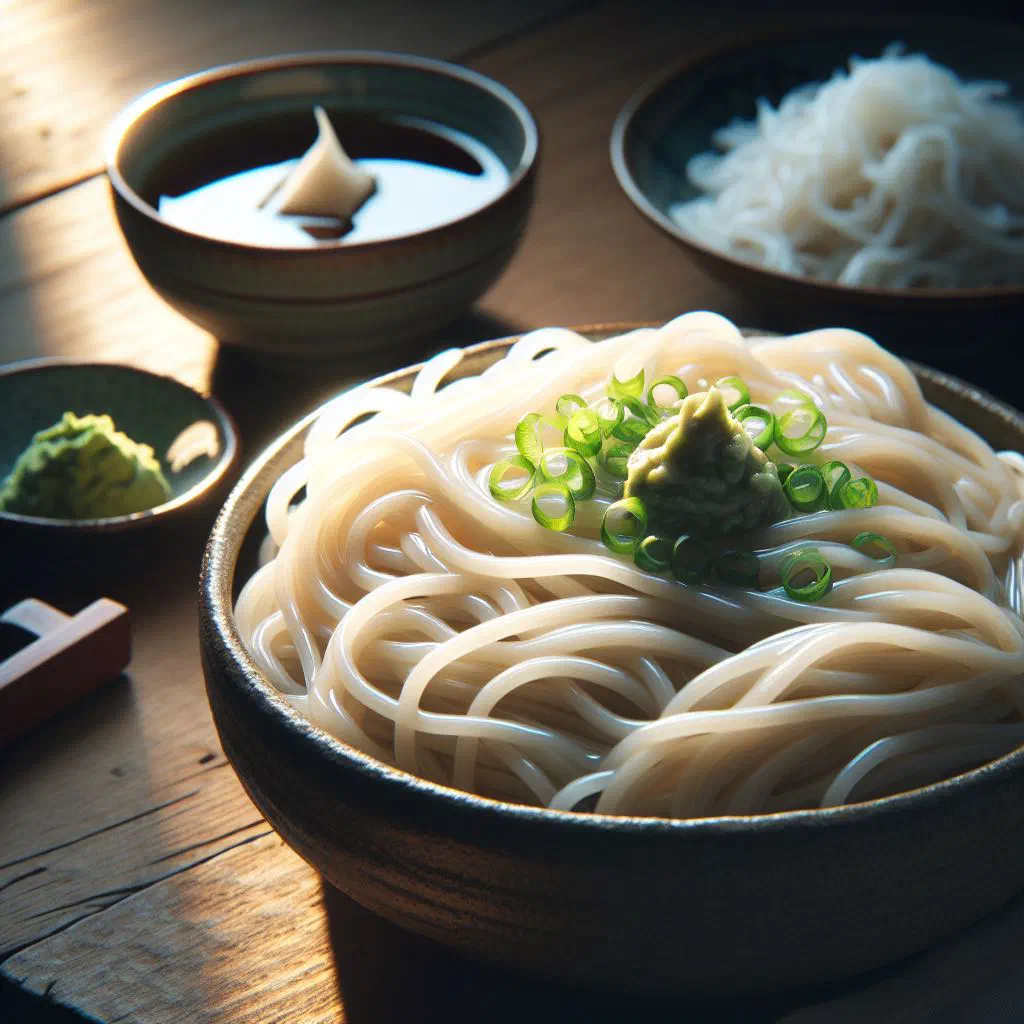
Cool, delicate and wonderfully refreshing, Sōmen are the wispy-thin wheat noodles Japan turns to when the summer heat sets in. Served chilled and paired with a light dipping sauce, they make a quietly elegant meal that comes together in minutes. Their gentle, neutral flavour is the perfect canvas for fresh herbs, crisp vegetables and a few well-chosen condiments, a small celebration of tradition and taste in every bowl.
About Sōmen
Sōmen are the fine, thin wheat noodles that have their roots in Japanese cooking. They are known for their delicate texture and mild, neutral flavour, which makes them an ideal choice for warm summer days. More often than not they are served cold, turning them into a refreshing dish that suits all sorts of occasions. The preparation is simple and easily tailored to personal taste, which is exactly why sōmen are such a favourite with families and food lovers alike.
Ingredients (serves 1–2)
- 200 g sōmen noodles
- 1 litre water
- 1–2 tablespoons soy sauce (or to taste)
- Fresh herbs (such as chives or coriander)
- Cooked vegetables of your choice (such as cucumber or carrot)
- Optional: wasabi or pickled ginger
Shopping for the ingredients
When shopping, look out for good-quality sōmen noodles. You will find them in Asian grocery stores or online. Beyond that, you can pick fresh herbs and vegetables according to the season to make the dish even more appealing. Remember to buy a high-quality soy sauce as well, since it has a big influence on the overall flavour of the finished dish.
Preparing the dish
Getting sōmen ready is quick and fuss-free. First the sōmen noodles need to be boiled, which usually takes only a few minutes. While the noodles cook, you can wash the vegetables and slice them into fine strips. Once everything is prepped, you can plate the dish and serve it with your chosen dips and sides.
Step-by-step instructions
- Bring a pan of 1 litre of water to the boil.
- Add the sōmen noodles and cook according to the packet instructions (usually 3–5 minutes).
- Once cooked, tip the noodles into a sieve and rinse them under cold water to stop the cooking.
- Prepare the vegetables and herbs and arrange everything on a plate.
- Serve the noodles with soy sauce and, if you like, wasabi or pickled ginger.
Gluten-free / lactose-free version
If you would like to make a gluten-free or lactose-free version of sōmen, you can use one of the special gluten-free noodles widely available in the shops. There are also plenty of alternatives to soy sauce, such as tamari, which is usually gluten-free. These swaps mean that people with food intolerances can enjoy the delicious flavours of sōmen too. Always check the ingredients list when shopping to make sure every product suits your needs.
Tips for vegans and vegetarians
Sōmen are naturally vegan and slot easily into vegetarian or vegan meals. You can dress the dish up with a wide variety of vegetables to create a colourful, healthy plate. Extra sources of protein such as tofu or tempeh can be added too, to make the meal more filling. And don’t forget creative dips like peanut sauce or a tahini-based dressing to ring the changes, much like the bold dressings that bring a Wafu Salad to life.
More tips and tricks
One key tip for the perfect bowl of sōmen is to rinse the noodles in cold water after cooking, both to cool them and to preserve their springiness. Experiment with different dips and sides to discover new flavour combinations. Another trick is to toss the noodles lightly in sesame oil before serving, which stops them sticking together and adds an extra layer of flavour. With the right presentation and choice of sides, you can turn a simple bowl into something memorable.
Adapting the recipe to your taste
One of the best things about sōmen is how adaptable they are. You can easily tailor the dish to your personal preferences and dietary needs by adding different proteins or vegetables. The soy sauce can be varied too, so you can dial in a milder or a more robust note depending on your taste. The more adventurous might even add a sprinkling of grated cheese for an intriguing fusion of Japanese and Western cooking.
Ingredient substitutions
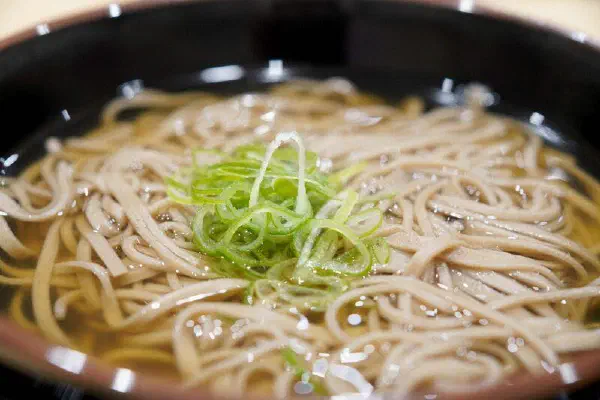
If certain ingredients are not to your liking, there are plenty of alternatives to call on. Instead of sōmen you could try other noodle varieties such as udon, the same comforting noodles that anchor a hearty Ankake Udon, or the buckwheat soba found in a chilled Sudachi Soba. For the soy sauce, a liquid aminos seasoning works well if you want a lower-sodium option. Many vegetables are flexible too and can be swapped according to the season and your preferences, which keeps the dish varied and reliably fresh.
Drink pairing ideas
The right drink can make a delicious bowl of sōmen even better. In Japan, green tea or a fragrant jasmine tea is often served, and both pair beautifully with the fresh flavours of the noodles. You might also consider a glass of chilled sake or a light Asian-style beer to round out the experience. For an alcohol-free option, a refreshing fruit juice or sparkling water with lemon is ideal.
Serving and presentation ideas
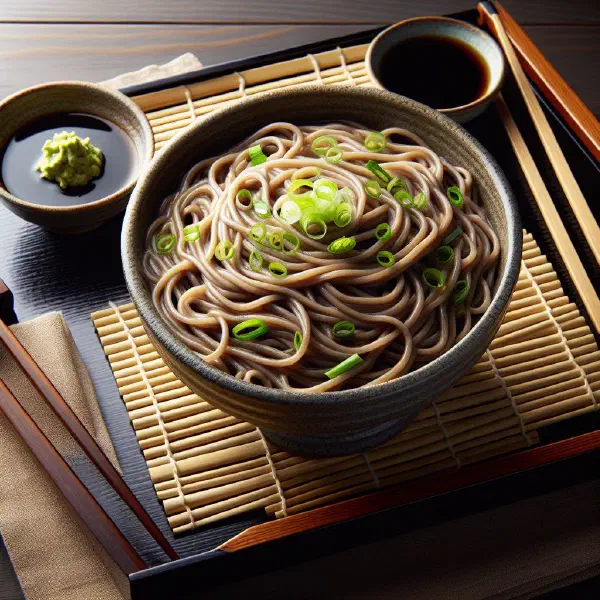
Presentation matters a great deal when serving sōmen. Arrange the noodles on a shallow plate and garnish them with fresh herbs and vegetables in a colourful display. A few drops of good sesame oil or a scattering of toasted sesame seeds can lift both the look and the taste. Serve the dips in small bowls beside the noodles to create an elegant, inviting arrangement that is a pleasure to look at.
A bit of history
Sōmen have a long history within Japanese cooking, reaching back as far as the 8th century. They were originally made and served during the hot summer months to offer a little relief from the heat. Over the years sōmen have grown into a much-loved delicacy, enjoyed both on festive occasions and in everyday cooking. Preparing and eating sōmen is deeply rooted in Japanese cuisine, and the dish is often tied to traditional ceremonies and celebrations.
More recipe ideas
Summary: Sōmen
All in all, sōmen are a delicious and versatile option for warm days. The simple ingredients and quick preparation make them ideal for anyone who wants to enjoy tasty food without spending hours in the kitchen. The freedom to adapt sōmen to your own preferences opens up a whole spectrum of creative dishes. Sōmen are a flavour-led journey of discovery you really shouldn’t miss.