National Dish Japan: Sukiyaki (Recipe)
In this article
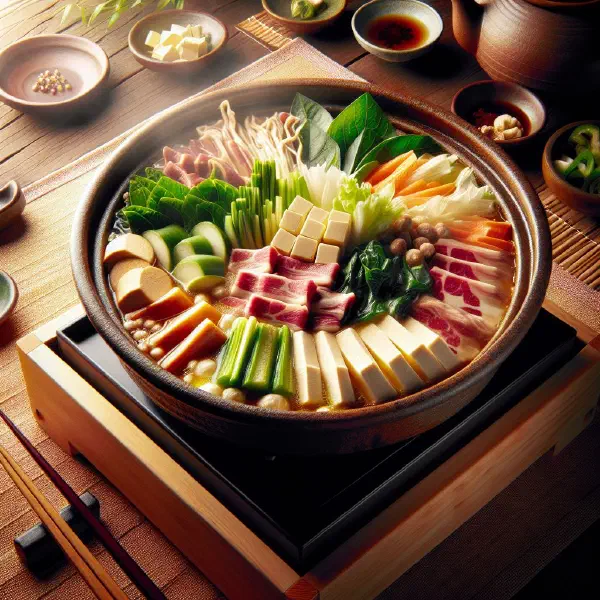
Gather everyone around the table for Sukiyaki, Japan’s beloved one-pan hot pot that turns dinner into a shared event. Thinly sliced beef, silky tofu and seasonal vegetables simmer gently in a glossy, sweet-and-savoury soy and mirin broth, cooked right in front of you. Warming, sociable and endlessly comforting, it is the dish Japanese families reach for when the cold months draw in. Bring a little of that convivial Japanese table straight into your own kitchen.
About Sukiyaki
Sukiyaki is a traditional Japanese dish that often is a national symbol of the country’s cooking. It is a hot pot prepared right at the table in a large, shallow pan, and it is especially popular during the colder months. What makes it so special is the marriage of a sweet, savoury soy-sauce base with fresh ingredients such as beef, tofu, noodles and seasonal vegetables, all enjoyed through the shared ritual of cooking and eating together. Its real charm lies in being able to choose ingredients to suit your own taste and to savour the meal communally around the table, a hallmark of Japanese cuisine.
Ingredients (serves 1–2)
- 200g beef, very thinly sliced
- 2 tablespoons soy sauce
- 2 tablespoons mirin (sweet rice wine)
- 1 tablespoon sugar
- 100g tofu, cut into cubes
- 1 bunch spring onions, cut into 5cm lengths
- 100g shiitake mushrooms, trimmed
- 100g napa or Chinese cabbage, cut into strips
- 1 packet shirataki noodles (konjac noodles), rinsed and drained
- 1 tablespoon vegetable oil
- 300ml dashi stock (Japanese fish stock), or lightly salted water
Shopping for the ingredients
Many of the ingredients for sukiyaki are available in well-stocked supermarkets or Asian grocery shops. For the most authentic result, it is worth paying particular attention to fresh, high-quality beef. Asian grocers often sell ready-cut thin sukiyaki beef, which saves a great deal of work. Tofu and fresh vegetables can vary with the season, so look out for produce that is crisp and as fresh as possible.
Preparing the dish
Good preparation is the key to cooking sukiyaki smoothly. Slice the meat and vegetables into the sizes you want before you start, so everything is ready to add in turn. The shirataki noodles need to be rinsed thoroughly and then drained well. Prepare your dashi stock in advance, or have a shop-bought version to hand, and you will be able to cook in a relaxed, unhurried way.
Step-by-step instructions
- Heat a large, shallow pan with vegetable oil over a medium heat.
- Add the beef and sear until almost cooked through, then push it to one side of the pan.
- Add the soy sauce, mirin and sugar to the pan and warm briefly until the sugar has dissolved.
- Add the tofu, vegetables and mushrooms and toss everything in the sauce.
- Pour in the dashi stock and let everything simmer gently over a low heat until the ingredients are tender.
- Add the shirataki noodles and simmer for a further 5 minutes.
- Serve the sukiyaki straight from the pan and enjoy.
Gluten-free / lactose-free version
Sukiyaki is naturally lactose-free, and it is simple to make gluten-free too. The one ingredient to watch is the soy sauce, so swap regular soy for a certified tamari or gluten-free soy sauce, and check that your mirin and dashi contain no hidden wheat. The dish carries no dairy at all, which makes it an easy choice for anyone avoiding lactose. With these small swaps, everyone at the table can tuck in without worry.
Tips for vegans and vegetarians
Sukiyaki adapts beautifully for a vegetarian or vegan table. Leave out the beef and bulk up the pot with extra tofu, seitan and a generous spread of mushrooms, much as you would for a vegetable-led Yosenabe. Replace the fish-based dashi with a vegetable stock or a kombu-and-mushroom broth to keep the deep savoury flavour without the seafood. Choosing seasonal vegetables and herbs keeps the result fresh and full of character.
More tips and tricks
Sukiyaki is often served with a raw beaten egg, into which you dip the hot cooked ingredients just before eating. The egg adds an extra layer of flavour and gives every mouthful a silky, richer finish. Keep the cooking gentle so the broth does not boil away, and top it up with a little extra stock as you go. Cooking in small batches also means the ingredients stay perfectly tender rather than overcooking.
Adapting the recipe to your taste
The vegetables can be swapped for whatever you prefer, and the beef can be replaced with chicken if you fancy a change, much as the choice of protein shifts in a comforting bowl of Nikujaga. For a meat-free version, simply stand in extra varieties of tofu or seitan. However you build it, the dish stays true to its sweet-savoury soul.
Ingredient substitutions
If certain ingredients are hard to find, there are plenty of good alternatives. No mirin to hand? Use a mixture of sake and a little sugar in its place to recreate that gentle sweetness. The dashi stock can be swapped for a vegetable stock, which also turns the dish into a vegetarian one. These small substitutions let you adapt the recipe to what is in your cupboard or to your own preferences.
Drink pairing ideas
A light sake or a crisp Japanese beer pairs beautifully with sukiyaki and stands up to its sweet-savoury broth. For something non-alcoholic, a cup of green tea offers a gentle, soothing accompaniment that cleanses the palate between bites. Each option lets the bold flavours of the dish shine without overpowering them.
Serving and presentation ideas
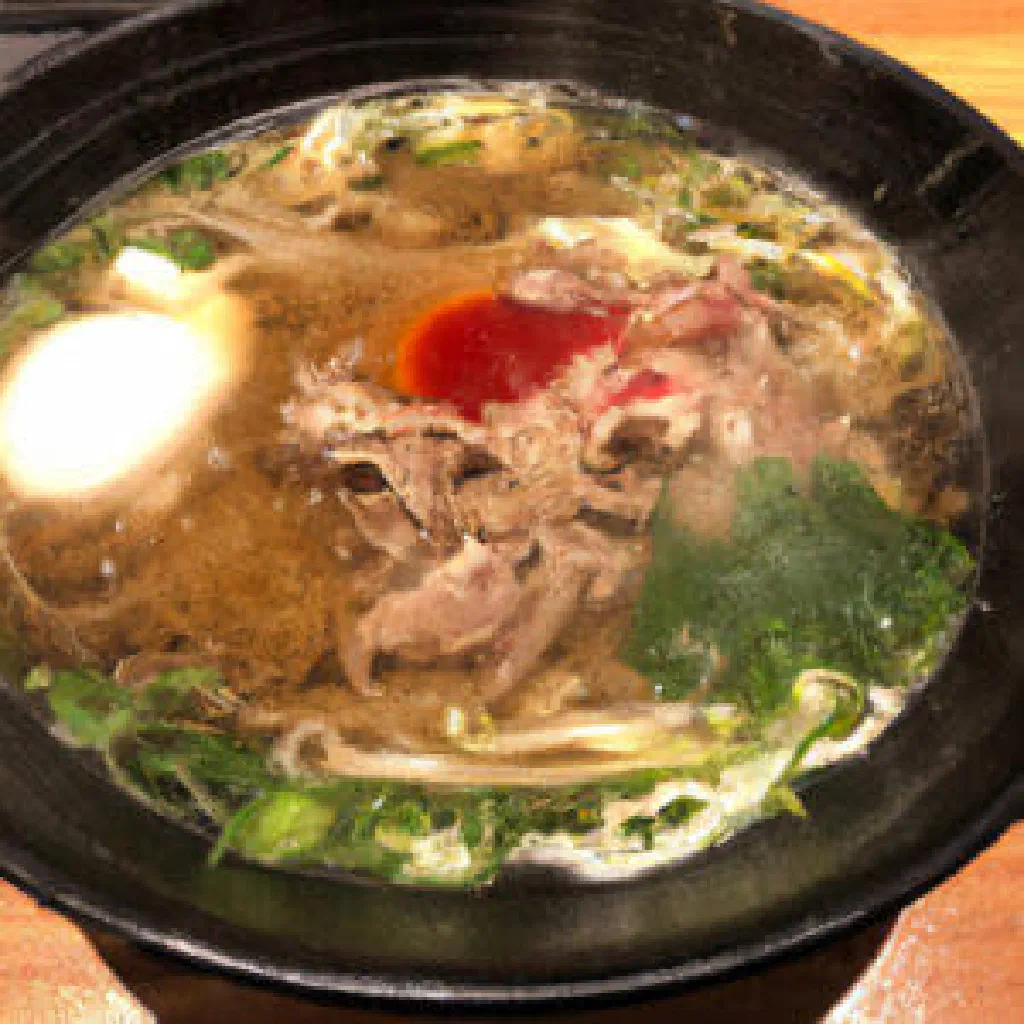
Sukiyaki is traditionally served straight from the pan it is cooked in, which is part of its homely appeal. Arrange the individual components neatly and play with colour for visual impact, the bright green of the spring onions against the rich red of the beef makes a lovely contrast. A small bowl of beaten egg for dipping and a portion of steamed rice on the side complete an inviting, communal spread.
A bit of history
The story of sukiyaki is closely tied to the end of the samurai era. After Japan opened to the West in the 19th century, the Japanese began to eat beef, something previously avoided under Buddhist influence. Sukiyaki became known as one of the first dishes to prepare beef in a varied and genuinely delicious way, and it quickly grew into an icon of modern Japanese home cooking.
More recipe ideas
Summary: Sukiyaki
Sukiyaki is far more than a meal; it is a versatile, sociable dish that appeals to the palate while offering a glimpse into Japanese dining culture. With the steps and tips above, you can recreate this wonderful culinary experience at home and share it with family or friends. Sukiyaki brings warmth and togetherness to any table. Let this Japanese classic inspire you and give it a try.