National Dish Japan: Sushi (Recipe)
In this article
Sushi is the rice. That is the part people outside Japan consistently miss. Su-meshi is short-grain rice seasoned with vinegar, sugar and salt, cooled to body temperature and fanned as it is mixed. The fish on top is important; the rice is the dish.
About Sushi
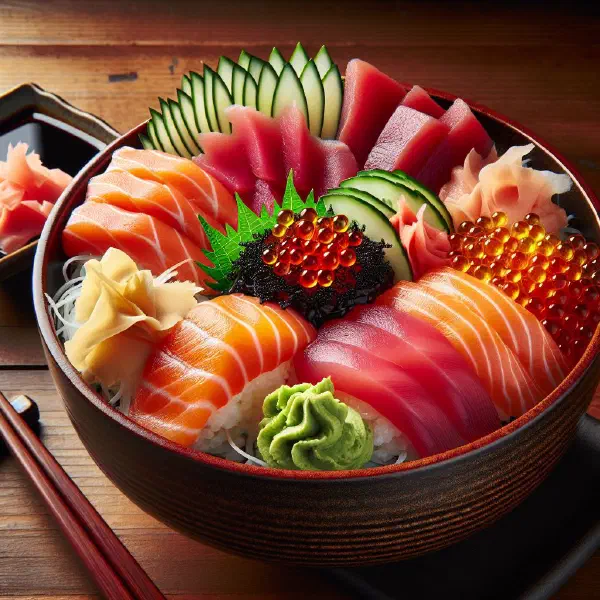
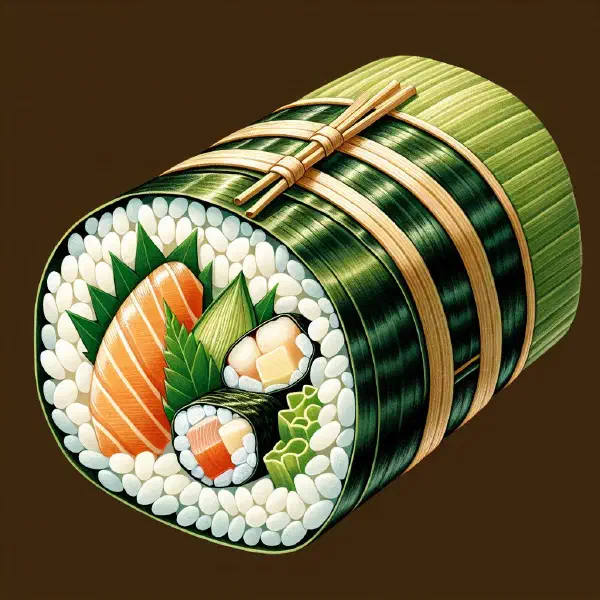
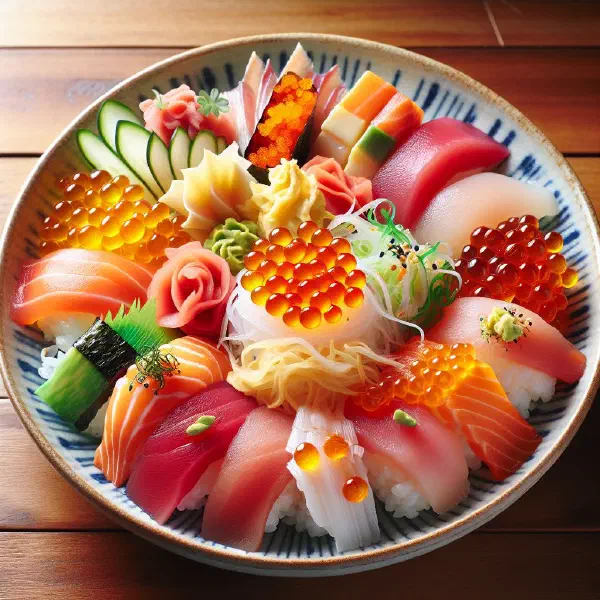
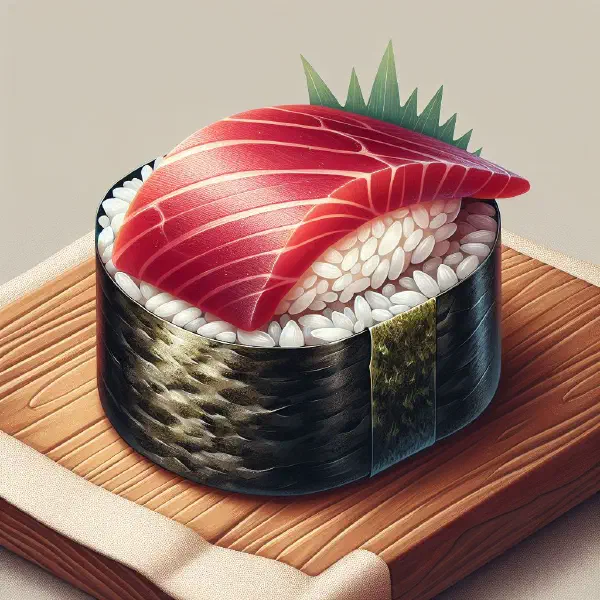
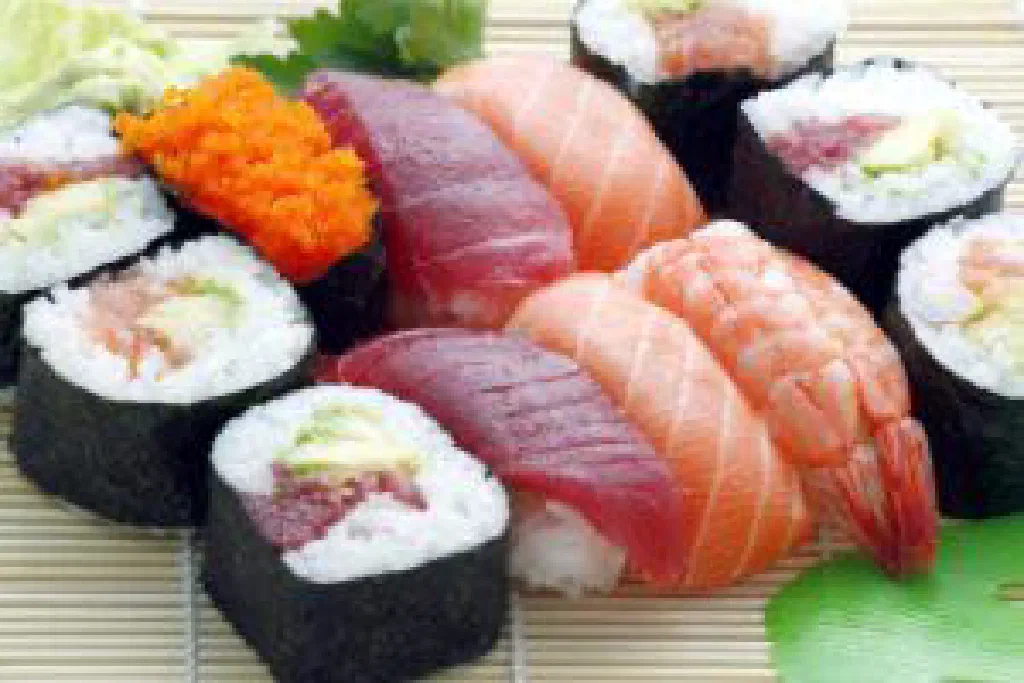
Sushi covers a family: nigiri, a slice of fish over a pressed finger of rice; maki, rolled in nori; chirashi, scattered over a bowl. What they share is the seasoned rice.
The name comes from an old word meaning sour, a reference to the fermented fish preservation the dish descends from. Modern sushi is a nineteenth-century Edo invention.
Ingredients (serves 1–2)
- 1 cup sushi rice
- 2 tablespoons rice vinegar
- 2 tablespoons sugar
- 1 teaspoon salt
- 2 sheets nori
- 1 avocado
- 1 carrot
- 1 cucumber
- 100 g salmon, sashimi grade
- 100 g tuna, sashimi grade
- Soy sauce, wasabi and pickled ginger, to serve
Shopping for the ingredients
Buy fish labelled sashimi or sushi grade from a fishmonger you trust, and eat it the day you buy it. Use Japanese short-grain rice, not basmati or long-grain; the stickiness is structural. Nori should be crisp and dark, not limp.
Preparing the dish
Rinse the rice until the water runs clear, five or six changes. Cook it, then turn it into a wide bowl and fold the warm vinegar, sugar and salt through with a cutting motion while fanning it. Cool it to body temperature before rolling; hot rice makes the nori soggy.
Step-by-step instructions
- Rinse the rice until the water runs clear, then cook it and turn it into a wide bowl.
- Dissolve the vinegar, sugar and salt, fold it through the rice with a cutting motion and fan it until cooled to body temperature.
- Lay one sheet of nori shiny side down on a rolling mat.
- Spread a thin layer of rice over it with wet hands, leaving a 2 cm strip clear at the far edge.
- Lay the avocado, carrot and cucumber in a line across the near third.
- Roll away from you with the mat, keeping firm and even pressure, and seal the clear strip with a little water.
- Wipe a sharp knife with a damp cloth and slice the roll into six or eight pieces, wiping between cuts.
- Serve with soy sauce, wasabi and pickled ginger, and the sliced fish as nigiri or sashimi alongside.
Gluten-free / lactose-free version
Sushi contains no dairy. Soy sauce contains wheat, so use tamari. Check wasabi paste, which often contains other additives. Everything else is naturally gluten-free.
Tips for vegans and vegetarians
Vegetable maki is a real category, not an afterthought: kappa maki with cucumber, avocado rolls, pickled daikon, inarizushi with sweetened tofu pouches. All are traditional and none involve fish.
More tips and tricks
Cool the rice properly and season it while warm. Wet your hands before touching rice. Wipe the knife between every cut, or the rice drags. And do not overfill the roll: two or three fillings maximum, or it will not close.
Adapting the recipe to your taste
Temaki, hand rolls shaped into cones, need no mat and are far easier at home. Onigiri, rice balls, are simpler still. Tekka don, tuna over a bowl of rice, avoids the rolling entirely.
Ingredient substitutions
Cooked prawns, smoked salmon or marinated tofu all avoid the raw fish question. Rice vinegar is essential; other vinegars are too harsh. Sushi rice has no substitute.
Drink pairing ideas
Green tea, served hot, is standard. Sake, though Japanese purists point out that both are rice and the pairing is less obvious than it looks. A dry sparkling wine works surprisingly well.
Serving and presentation ideas
Arrange the pieces on a board or flat plate with a small dish of soy sauce, a little wasabi and pickled ginger. Ginger is a palate cleanser between pieces, not a topping. Dip nigiri fish-side down, so the rice does not fall apart.
A bit of history
Sushi began as narezushi, fish packed in fermenting rice for preservation, with the rice discarded. Edo-period Tokyo turned it into fast food: fresh fish over vinegared rice, served from stalls. Refrigeration and global shipping did the rest. It is the most exported part of Japanese cuisine and often the least understood.
More recipe ideas
Summary: Sushi
Sushi is vinegared short-grain rice with fish or vegetables. Rinse the rice properly, season it warm and fan it cool, wet your hands, and wipe the knife between cuts.