National Dish Japan: Tai Meshi (Recipe)
In this article
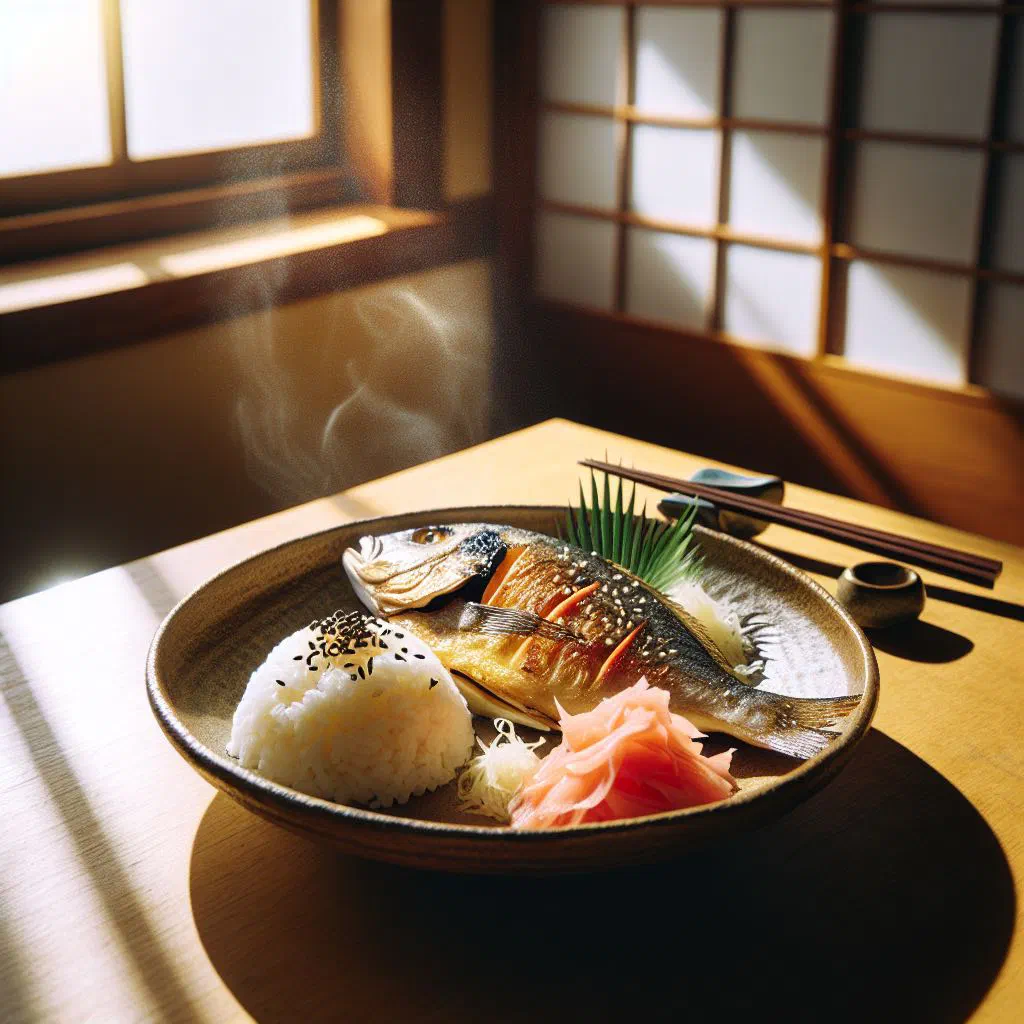
Discover Tai Meshi, one of Japan’s most celebrated dishes. This elegant recipe brings together tender red snapper and fragrant rice cooked in a savoury dashi broth. The name translates simply as “rice with snapper”, yet the result is anything but plain. It is a dish steeped in hospitality, often reserved for special occasions and festive gatherings. Bring a little of Japan’s refined culinary spirit straight into your own kitchen.
About Tai Meshi
Tai Meshi is a traditional Japanese dish prized for its harmonious pairing of tender red snapper (tai) and aromatic rice. The name means literally “rice with snapper”, and it has long been an expression of Japanese hospitality. The dish is frequently served at special occasions, as it is both delicious and beautifully presented. It reflects the philosophy at the heart of Japanese cooking: fresh, high-quality ingredients prepared with care and attention.
Ingredients (serves 1–2)
- 200 g tender red snapper (tai)
- 150 g sushi rice
- 300 ml dashi broth
- 1 tablespoon soy sauce
- 1 teaspoon mirin
- Fresh ginger, to garnish
- Fresh spring onions, to sprinkle over
Shopping for the ingredients
When shopping for Tai Meshi, it is well worth paying attention to the freshness and quality of every ingredient. Visit an Asian grocery or a specialist fishmonger to track down the best red snapper you can find. Sushi rice is widely available in many supermarkets and online, and dashi broth is often sold ready-packaged. Be sure to choose good-quality soy sauce and mirin too, as these give the dish its characteristic flavour.
Preparing the dish
Preparing Tai Meshi is straightforward, though it does call for a little time and care. Start by rinsing the sushi rice until the water runs clear, which removes excess starch. Then leave the rice to soak for around 30 minutes. While the rice is soaking, you can fillet the snapper and check carefully for bones, as well as prepare the ginger and spring onions for the garnish. These steps help bring out the flavours of the dish to their fullest.
Step-by-step instructions
- Add the rinsed sushi rice to a pan and pour over the dashi broth.
- Stir in the soy sauce and mirin until well combined.
- Bring the pan to the boil over a medium heat, then lower the heat until the rice has absorbed all the liquid.
- While the rice cooks, lay the fish fillets on the lid of the pan so they steam gently in the rising heat.
- After about 15–20 minutes, remove the lid and carefully fluff up the rice.
- Garnish the dish with fresh ginger and sliced spring onions, then serve.
Gluten-free / lactose-free version
For a gluten-free version of Tai Meshi, simply use gluten-free soy sauce, which is now easy to find. Take care that every ingredient is free from gluten, especially the dashi broth, which can sometimes carry traces of contamination. A lactose-free preparation needs no special adjustments at all, since most traditional recipes contain no dairy products in the first place.
Tips for vegans and vegetarians
A vegan version of Tai Meshi can be made by swapping the fish for a mix of fried tofu or mixed vegetables such as shiitake mushrooms and aubergine. Still use a dashi broth, one made with kombu and shiitake, to achieve that deep, umami-rich flavour. There are now vegan alternatives to mirin and soy sauce that work very well too. Adaptations like these let you keep the flavours of the traditional dish while catering to the needs of vegans and vegetarians alike. If you enjoy plant-based dishes, the same gentle simmering approach shines in Nikujaga when made with a vegetable broth.
More tips and tricks
To get the very best from your Tai Meshi, keep a careful eye on the rice so that it neither overcooks nor catches and burns. The dashi broth in particular should not boil too fiercely, allowing the rice to absorb the flavours properly. It can be helpful to taste as you go to reach exactly the seasoning you want. A short rest once the rice is cooked also improves the texture and makes every mouthful a pleasure.
Adapting the recipe to your taste
The beauty of Tai Meshi is how readily it adapts to personal preference. If you like things a little spicier, add some finely chopped chilli. For a sweeter note, try a touch of honey or agave syrup when cooking the rice. Experiment with different herbs and seasonings to find your own signature flavour. The dish stays delicious however you choose to adjust it.
Ingredient substitutions
If red snapper is not available, you can also use other white fish such as cod or sea bass. For the broth, a fish stock or vegetable stock both work well if you fancy trying different flavours. Instead of sushi rice, Arborio rice makes a good stand-in, as it has a similar consistency. These alternatives let you preserve the essential character of Tai Meshi even when the ingredients vary. A flaky white fish like this also features in Saba Shioyaki, where the fish takes centre stage.
Drink pairing ideas
Tai Meshi pairs beautifully with a light, fruity white wine or a dry sake. Alternatively, you might serve green tea, which offers a refreshing contrast to the savoury notes of the dish. It is well worth choosing your drinks with care to round off the whole experience.
Serving and presentation ideas
To present Tai Meshi attractively, use a handsome serving platter or bowls that bring out the colours of the dish. Garnish with fresh ginger and spring onions and with edible flowers or coriander for a lively touch. Take care to arrange the textures and colours harmoniously, lending the dish an exquisite look. A thoughtful presentation contributes a great deal to the enjoyment of the meal.
A bit of history
Tai Meshi has its roots deep in Japanese cooking, where the pairing of rice and fish is a central element of the country’s food culture. Historically, the rice was used to absorb the flavour of the fish, leading to a harmonious union of the two. The dish is thought to have been served originally on holidays and during festivities, as it symbolises prosperity and good fortune. Preparing Tai Meshi is therefore significant not only in a culinary sense but as a treasured tradition within Japanese cuisine.
More recipe ideas
Summary: Tai Meshi
In short, Tai Meshi is an exquisitely delicious dish that celebrates the flavours of Japanese cuisine. With high-quality ingredients and simple steps, it is perfectly suited to special occasions or as a festive centrepiece. Give the recipe a try and bring a little piece of Japan into your kitchen.