National Dish Japan: Tamagoyaki (Recipe)
In this article
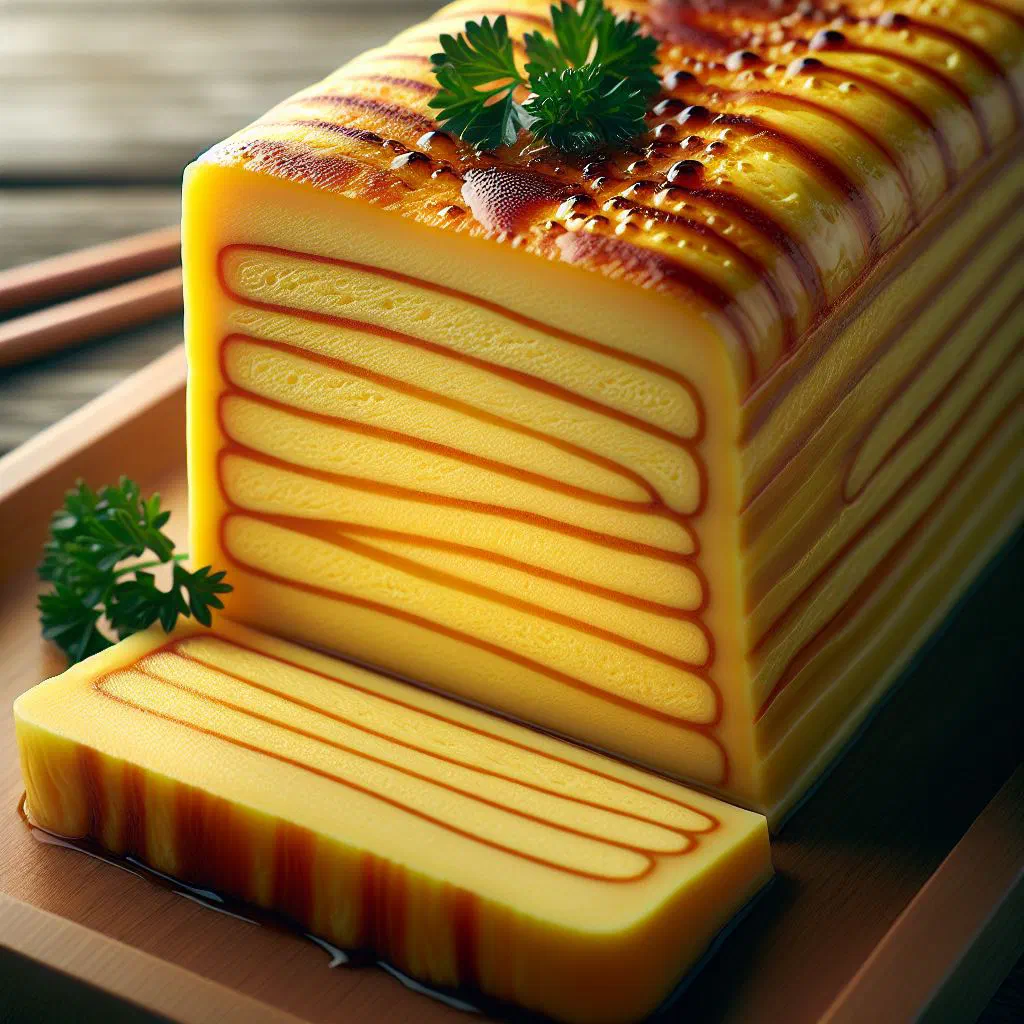
Discover Tamagoyaki, the delicately sweet rolled omelette that sits at the very heart of the Japanese kitchen. Far more than a simple breakfast egg, this golden, layered roll is cooked patiently in a rectangular pan until it turns soft, fluffy and just a little glossy. With its gentle balance of mirin and soy sauce, tamagoyaki works beautifully tucked into a sushi roll, packed into a bento box or served warm on its own. Bring a touch of authentic Japan to your own kitchen with this comforting classic.
About Tamagoyaki
Tamagoyaki is not merely an omelette but a true jewel of Japanese cuisine. This tender, fluffy roll of eggs is traditionally cooked in a rectangular pan, the egg poured and rolled in several thin layers to build up its signature striped appearance. The distinctive combination of a gently sweet note and a perfect, pillowy texture makes tamagoyaki a much-loved filling for sushi rolls as well as a delicious breakfast in its own right. Cooking the egg in stages is what gives the dish both its unmistakable look and its unique flavour.
Ingredients (serves 1–2)
- 4 eggs
- 2 tablespoons mirin (Japanese rice wine)
- 1 tablespoon soy sauce
- 1 teaspoon sugar
- 1 teaspoon vegetable oil
- A pinch of salt
Shopping for the ingredients
When shopping for tamagoyaki, the most important thing is to look out for the quality of the eggs. Fresh, organic eggs give a noticeably better result. Mirin, a sweet Japanese rice wine, can usually be found in Asian grocery shops or in well-stocked supermarkets. The sugar that lends the dish its characteristic sweetness can be adjusted up or down to suit your own taste.
Preparing the dish
Preparing tamagoyaki is very straightforward, though it does call for a little patience and practice. Begin by whisking the eggs thoroughly in a bowl until they form a smooth, even mixture. Next stir in the mirin, soy sauce, sugar and a pinch of salt to round out the flavour. To get the best result, set up the pan carefully so that it heats evenly without becoming too hot, a steady, moderate heat is the secret to those neat, tender layers.
Step-by-step instructions
- Heat a rectangular or square pan over medium heat and add a little vegetable oil.
- Pour a small amount of the egg mixture into the pan and tilt it so the egg spreads evenly.
- Wait until the egg is almost set, then gently roll it up with a wooden spatula.
- Slide the rolled omelette to one side of the pan and pour in more of the egg mixture.
- Once it has set, roll the previously cooked omelette back over the fresh layer.
- Repeat the process until all the egg mixture has been used up.
- Let the tamagoyaki cool briefly, then slice it into neat pieces.
Gluten-free / lactose-free version
For a gluten-free version you can use gluten-free soy sauce, which contains only a minimal amount of sugar. Lactose is naturally absent from this dish as long as you avoid dairy products. If you have a sensitive digestion, simply make sure that the ingredients you choose are clearly labelled as lactose-free. You can also reach for other sweet alternatives to fine-tune the recipe to your needs.
Tips for vegans and vegetarians
Tamagoyaki is naturally vegetarian, but vegans cannot enjoy it in its traditional egg-based form. There are, however, some inventive alternatives. Instead of eggs you can use a batter of chickpea flour and water to recreate a similar consistency, much like the plant-based approach behind Ohitashi. Season it with turmeric and other spices to achieve that lovely golden colour. It is not identical to the original, but it still makes a tasty vegan snack.
More tips and tricks
For the best results, experiment with the heat to find the perfect temperature for your pan. Too high a heat will cook the egg too quickly and prevent it from developing that desirable tender texture. Use a wooden spatula or a silicone one to roll the omelette, as neither will scratch the pan. Pre-warming the pan also helps the layers brown evenly and brings out an even better flavour, in the same careful spirit as the closely related Dashi-Maki Tamago.
Adapting the recipe to your taste
You can adapt the tamagoyaki recipe entirely to your own liking by folding in different ingredients, such as chopped spring onions or grated carrot. The level of sweetness is just as easy to change; whether you prefer it less sweet or a little sweeter, simply use more or less sugar. This flexibility lets you personalise the dish to your taste and rediscover it again and again.
Ingredient substitutions
If mirin is unavailable, you can use a mix of white wine and sugar as a substitute to achieve a similar sweetness. For the soy sauce, a lighter or darker variety may also work well depending on the flavour you favour. Experiment with different oils, such as sesame oil, for an extra layer of taste, a trick that works just as nicely in dishes like Nikujaga. Small adjustments like these can make a big difference to the finished result.
Drink pairing ideas
A lovely drink to enjoy with tamagoyaki is a Japanese green tea, which complements the flavour combination perfectly. Alternatively, a light, fruity white wine or even a local beer can pair nicely. The right choice depends largely on the ingredients and the way the dish is prepared. Sparkling water is another refreshing option that cleanses the palate and lets the gentle taste of the omelette shine through.
Serving and presentation ideas
To serve tamagoyaki attractively, arrange it on a pretty plate garnished with fresh herbs or grated horseradish. A few colourful vegetables can round off the look beautifully. A dip of soy sauce and wasabi makes a fine accompaniment that highlights the flavour. It also sits wonderfully alongside other Japanese favourites such as Onigiri or Inarizushi. Good presentation not only makes the dish more appetising but lifts the whole eating experience.
A bit of history
Tamagoyaki has a long and rich tradition in Japanese cuisine. It began as a dish prepared by rice farmers making the most of their available food. Over the years it grew into a delicacy, often served in restaurants and at special occasions. Today tamagoyaki is a central feature of every sushi restaurant and is also enjoyed in many Japanese households, sitting comfortably within the broader world of Japanese cuisine.
More recipe ideas
Summary: Tamagoyaki
In short, tamagoyaki is a versatile and delicious Japanese omelette speciality that wins over with its tender texture and gently sweet note. It is simple to prepare and endlessly adaptable, making it an ideal side dish or breakfast option. Try out different ingredients and variations to create your own personal tamagoyaki. With this recipe you can bring a little piece of Japan straight to your kitchen.