National Dish Japan: Tonjiru (Recipe)
In this article
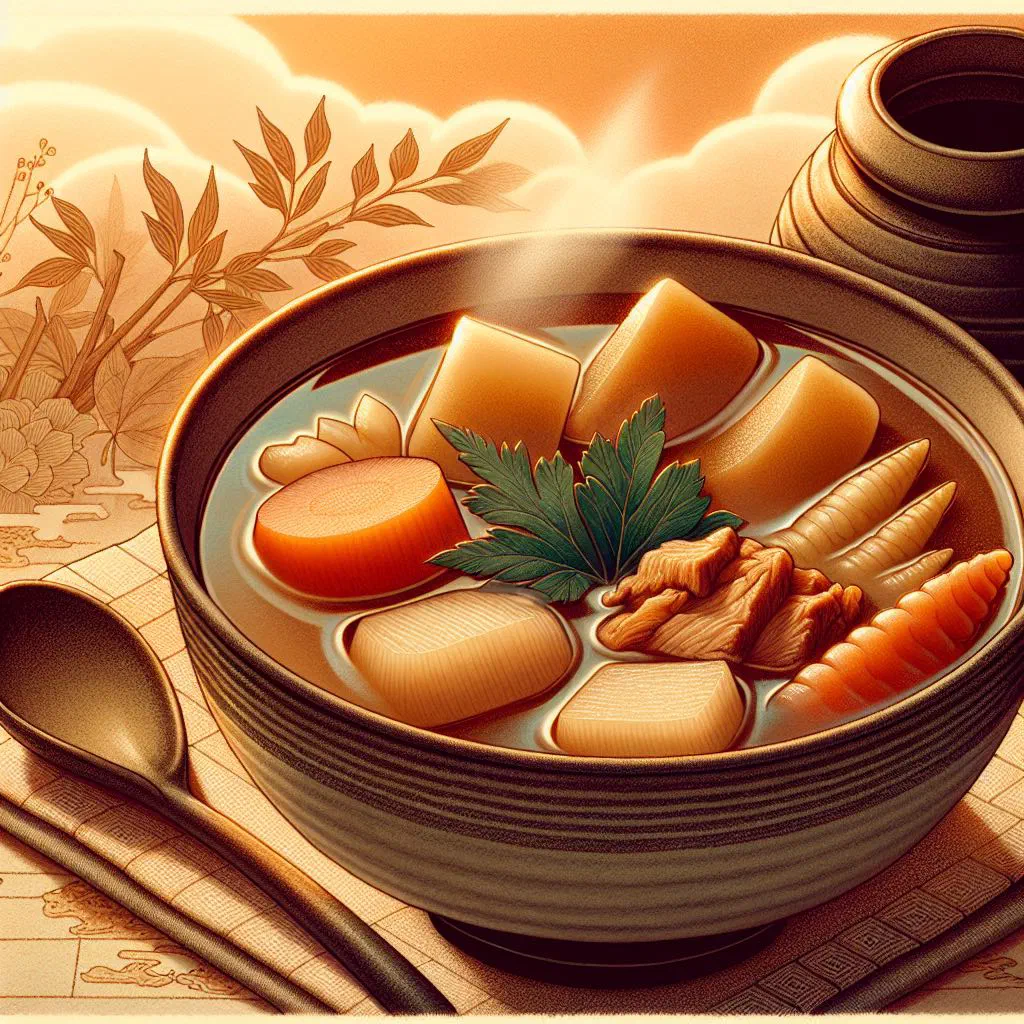
Discover Tonjiru, one of Japan’s most comforting bowls of home cooking. This hearty miso soup brings together tender pork, sweet root vegetables and aromatic seasonings in a broth that warms you from the inside out. With its deep, savoury flavours and nourishing ingredients, it is the kind of dish that feels made for crisp autumn evenings and cold winter days. Bring the cosy spirit of a Japanese kitchen straight to your own table.
About Tonjiru
Tonjiru is a traditional Japanese miso soup celebrated for its rich, savoury character and homely warmth. At its heart is tender pork, simmered with fresh vegetables and a fragrant blend of seasonings that come together in perfect harmony. The soup is especially prized for the way it warms you through, which is why it is such a firm favourite in the colder months. It is a wonderful way to bring the depth and comfort of Japanese cooking into your own home.
Ingredients (serves 1–2)
- 200 g pork belly or pork tenderloin
- 2 cups water
- 1–2 tablespoons miso paste (to taste)
- 1 small carrot, sliced
- 1 small potato, diced
- 1/2 onion, sliced into rings
- 100 g daikon (Japanese radish), diced
- 1 spring onion, sliced into rings, to garnish
- 1 teaspoon sesame oil
- Extra water as needed
Shopping for the ingredients
To make Tonjiru you will want fresh ingredients, most of which you can find in a regular supermarket or an Asian grocery. Pay particular attention to the miso paste, as it comes in several varieties, choose the one that suits your taste best. The pork belly or tenderloin should be fresh and of good quality to get the fullest flavour. Vegetables such as daikon and carrots are easy to source and bring fresh, crisp textures to the soup.
Preparing the dish
Start with a little preparation to make the cooking go smoothly. Cut the pork into small pieces and prepare the vegetables by chopping them into even sizes. This groundwork ensures that all the ingredients cook evenly and that the flavours have the chance to develop fully. Make sure every utensil and ingredient is ready before you begin cooking, so the whole process feels relaxed and unhurried.
Step-by-step instructions
- Heat the sesame oil in a pan over medium heat.
- Add the onion and sauté until translucent.
- Add the pork and fry until lightly golden.
- Pour in the water and bring it to the boil.
- Add the carrots, potato and daikon, then leave to simmer for about 10 minutes.
- In a small bowl, loosen the miso paste with a little of the warm broth until smooth, then stir it into the soup.
- Cook for a further 5 minutes so the flavours can develop.
- Serve the soup piping hot, garnished with spring onions.
Gluten-free / lactose-free version
Tonjiru is easy to adapt so it is both gluten-free and lactose-free. Use a gluten-free miso made on a rice base in place of regular miso paste, and you can keep the dish suitable for anyone with a gluten intolerance. The soup contains no dairy by nature, so simply avoid any lactose-containing extras.
Tips for vegans and vegetarians
Vegans and vegetarians can adapt Tonjiru with very little effort. Instead of pork, use tofu or tempeh as your protein, which enriches the flavour and the texture of the soup. Swap in a good vegetable stock for the base to keep things full-flavoured and satisfying. Experiment with a generous variety of vegetables to make the soup as colourful and nourishing as possible.
More tips and tricks
To get the most out of Tonjiru, you can make the broth ahead of time and keep it in the fridge. This saves time during the week and even improves the flavour, as the aromas have longer to mingle. You can also add a little kick by stirring in some chilli or fresh ginger.
Adapting the recipe to your taste
Every pot of Tonjiru can be tailored to your own preferences. If you like it a touch more savoury, add an extra spoonful of miso or a little more seasoning. It is also well worth using seasonal vegetables to make the most of the best regional produce. The amount of water can be adjusted too, depending on whether you prefer a thicker, more stew-like soup or something lighter and brothier.
Ingredient substitutions
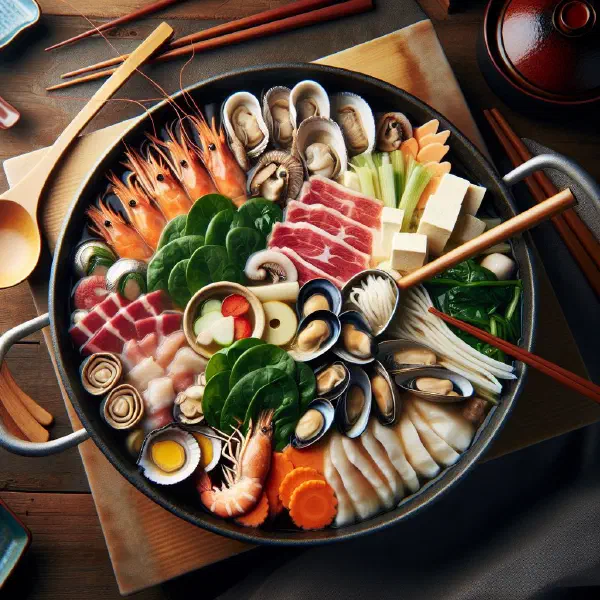
If you do not have certain ingredients to hand, there are plenty of good alternatives for Tonjiru. The pork, for example, can be replaced with chicken or even seitan for an appealing plant-based option. For the miso paste you will find organic or gluten-free varieties in many shops. Remember that different vegetables such as courgette or peppers work nicely too, much as they do in a warming bowl of Yosenabe, a great way to ring the changes.
Drink pairing ideas
A range of drinks goes beautifully with Tonjiru. A classic Japanese choice such as green tea complements the savoury notes of the soup perfectly. Alternatively, you could serve it with a lightly chilled sake for a harmonious pairing of flavours. For those who would rather avoid alcohol, a hearty fruit smoothie or a sparkling lemonade also makes an excellent companion to the meal.
Serving and presentation ideas
An attractive presentation is key to enjoying Tonjiru in style. Serve the soup in traditional Japanese bowls for an authentic look. Garnish generously with freshly sliced spring onions or even a few herbs for a pop of colour. A scattering of crushed nuts can be added as well, lending a pleasing crunch and a little extra texture to each spoonful.
A bit of history
Tonjiru has a long history in Japanese cooking, one closely tied to rural life. Often regarded as a simple, nourishing meal, the soup was originally enjoyed by farmers who needed something hearty to restore them after long days in the fields. Today it is a much-loved dish served both in home kitchens and in restaurants, and it sits comfortably within the wider world of Japanese cuisine. Its adaptable nature reflects the many regional variations and personal touches that come with it.
More recipe ideas
Summary: Tonjiru
In short, Tonjiru is a delicious and nourishing miso soup that is perfect for cold days. Made with ingredients that are rich in both flavour and goodness, it is a dish you can easily adapt to your own tastes. Gluten-free or in the classic style, the possibilities are wonderfully varied. Enjoy the flavours of Japan right in your own kitchen and let Tonjiru win you over.