National Dish Japan: Torikatsu (Recipe)
In this article
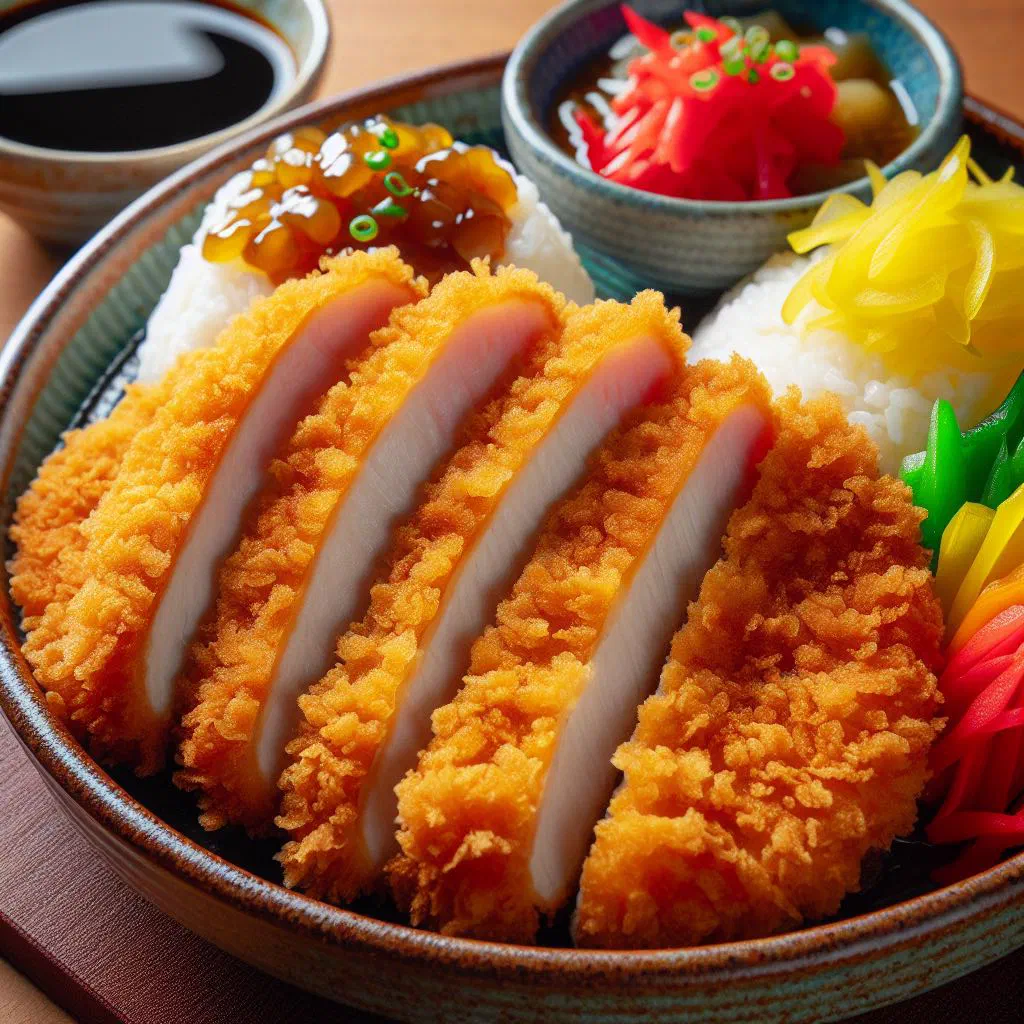
Discover Torikatsu, a crowd-pleasing classic of Japanese home cooking. This dish takes tender chicken, wraps it in a feather-light panko crust and fries it until gloriously golden and crisp. Served with a tangy tonkatsu sauce, fluffy rice and a pile of fresh vegetables, it delivers that very good contrast of shatteringly crunchy coating and juicy meat. Bring the comfort of a Japanese kitchen straight to your own table.
About Torikatsu
Torikatsu is a much-loved dish of Japanese cuisine, prized for its hearty flavour and for its wonderfully crisp texture. At its heart are pieces of chicken coated in a crust of panko, Japanese breadcrumbs, and deep-fried to a deep golden brown. This method gives the dish a beautifully crispy bite while keeping the chicken tender and juicy within. Traditionally it is served with a savoury sauce that lends the whole plate a distinctive, moreish note.
Ingredients (serves 1–2)
- 300 g chicken breast fillet
- 50 g panko
- 1 egg
- Flour, for coating
- Salt and pepper, to taste
- Oil, for deep-frying
- Savoury sauce (such as tonkatsu sauce)
- Fresh vegetables, to serve (such as salad or steamed vegetables)
- Rice, to serve
Shopping for the ingredients
The ingredients for torikatsu are easy to find in most Asian supermarkets or well-stocked grocery shops. It pays to pay close attention to the quality of the chicken, as this is key to the finished flavour. Panko, the special Japanese breadcrumb, is what gives the dish its signature crunch and can usually be tracked down in Asian markets too.
Preparing the dish
To make torikatsu, it helps to have everything prepared in advance. That means cutting the chicken into evenly sized pieces so it cooks through at the same rate. The coating happens in three stages: first the meat is dredged in flour, then dipped in beaten egg and finally rolled in panko. This careful preparation guarantees an even, crisp crust that blossoms beautifully in the hot oil.
Step-by-step instructions
- Cut the chicken breast fillet into evenly sized pieces.
- Season the pieces with salt and pepper.
- Set out flour, beaten egg and panko in separate bowls.
- Coat each piece of chicken first in flour, then in the egg and finally in the panko.
- Heat plenty of oil in a pan and fry the breaded chicken until golden brown.
- Drain the fried pieces on kitchen paper, then serve.
Gluten-free / lactose-free version
Torikatsu is easy to adapt for a gluten-free or lactose-free diet. Instead of wheat flour you can use rice flour, and there is gluten-free panko made from rice for the coating. When choosing the sauce, take care to pick one that is gluten-free, as many sauces contain wheat. With these simple swaps the delicious flavour of torikatsu stays intact, with no cause for concern.
Tips for vegans and vegetarians
There are plenty of creative alternatives to torikatsu for vegans and vegetarians. In place of chicken you might use tofu or seitan, both of which crisp up beautifully when breaded and fried. Vegetables such as aubergine or courgette also make excellent options, offering plenty of flavour and texture. The method stays essentially the same, so everyone can enjoy torikatsu their own way, much like the crowd-pleasing Karaage.
More tips and tricks
A few simple tips can make a real difference to your torikatsu. Make sure the oil is properly hot before adding the chicken, so the coating turns out perfectly crisp. Avoid crowding the pan, too, so the pieces fry evenly rather than steaming. Once fried, spreading them out on kitchen paper to drain off excess oil keeps the crust light and crunchy.
Adapting the recipe to your taste
Torikatsu lends itself wonderfully to personal tweaks. The options are endless. Experiment with different herbs or spices in the coating to give the dish your own signature note. The accompaniments can be varied too, so every diner ends up with their perfect plate.
Ingredient substitutions
If you do not have every ingredient for torikatsu to hand, there are plenty of stand-ins. Ordinary breadcrumbs can replace panko in the coating, though the crunch will be a little different. For the sauce, a mix of soy sauce and ketchup gives a similar tangy-sweet flavour, while a drizzle of teriyaki echoes the glaze used on Butadon.
Drink pairing ideas
A range of drinks goes beautifully with torikatsu. A light Japanese beer or a refreshing cup of green tea are popular companions. A fruity cocktail with Asian aromatics can make an interesting match too.
Serving and presentation ideas
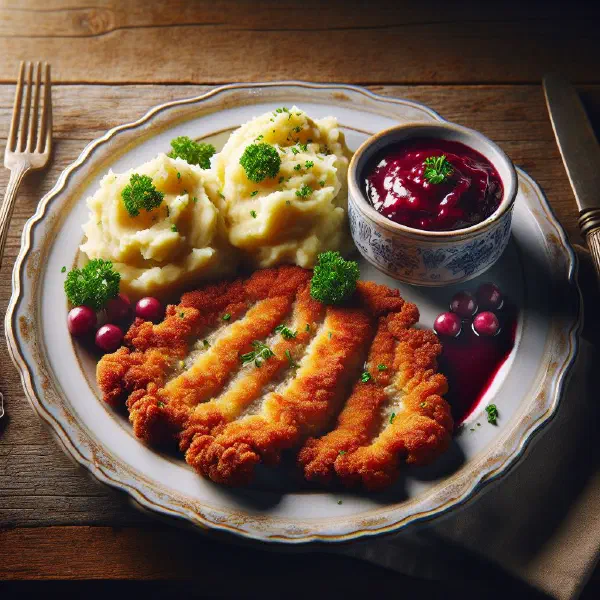
Presentation plays an important part in serving torikatsu. Arrange the dish on a stylish plate with sides such as freshly cooked rice and colourful vegetables. Add a small bowl of the savoury sauce so guests can dip to their heart’s content. A scattering of fresh herbs or sesame seeds lifts the plate further and makes it all the more appealing.
A bit of history
Torikatsu has its origins in the Japanese tradition of deep-frying, which drew heavily on European influences. Today it is one of the most popular dishes in Japan and features on countless restaurant menus. Once a delicacy served mainly in urban areas, it has long since become a beloved piece of comfort food. The pairing of tender chicken and crisp coating makes it an undisputed favourite of Japanese cuisine.
More recipe ideas
Summary: Torikatsu
All in all, torikatsu is a delicious and versatile dish that appeals to beginners and seasoned cooks alike. The combination of crisp coating and tender chicken, rounded out with aromatic sides, offers a truly memorable eating experience. The recipe adapts easily to suit all kinds of preferences, whether you cook for vegans, vegetarians or anyone with a food intolerance. Savour the variety of Japanese cuisine and treat yourself to a feast with a difference.