National Dish Japan: Tororo Gohan (Recipe)
In this article
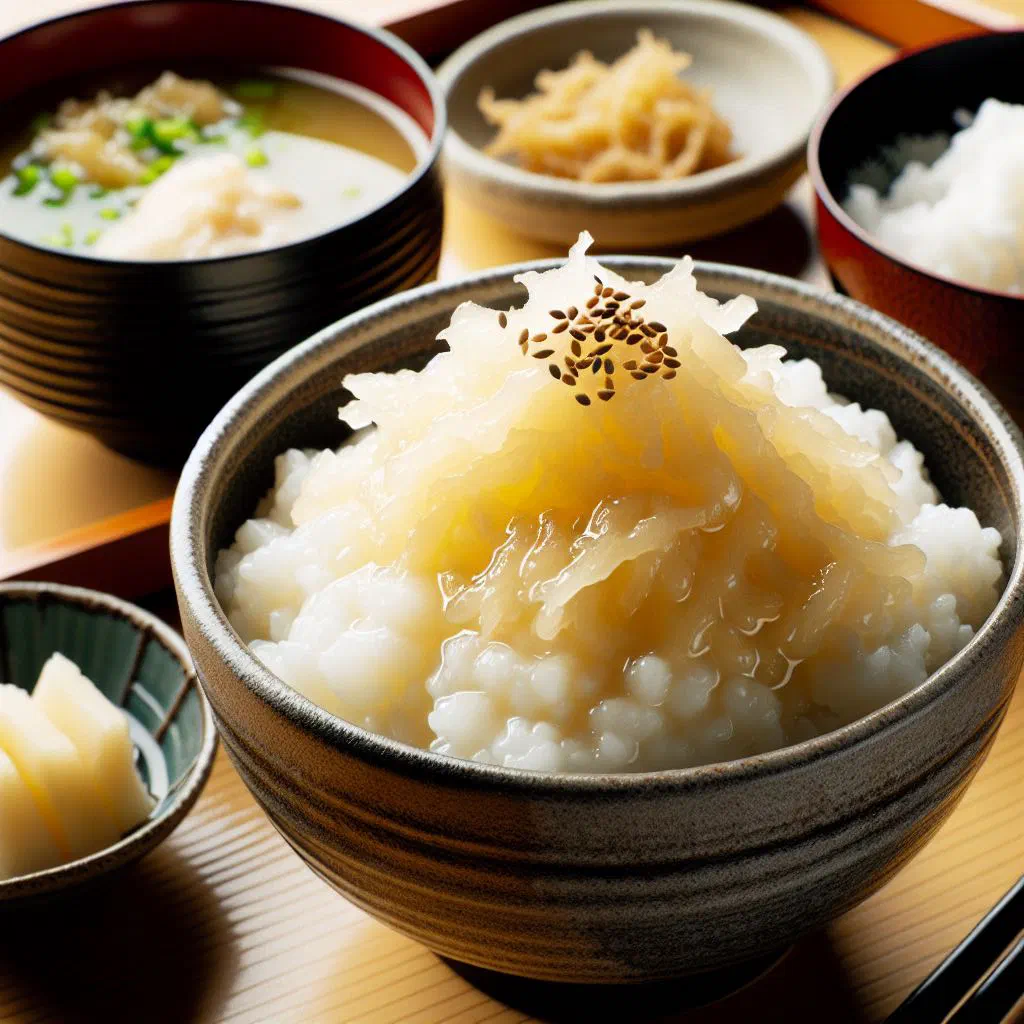
Meet Tororo Gohan, a quietly brilliant Japanese classic that turns two humble ingredients into something genuinely special. Freshly grated yamaimo is spooned over a bowl of warm, fluffy rice to create a silky, slightly slippery topping with a gentle, earthy flavour. It is light, wholesome and surprisingly nourishing, the kind of dish that feels restorative after a long day. It brings a touch of authentic Japanese cuisine straight to your table.
About Tororo Gohan
Tororo Gohan is a distinctive national dish of Japan, celebrated for its delicious pairing of grated yamaimo and freshly cooked rice. Yamaimo, often described as a kind of Japanese mountain yam, has a velvety texture and a mild flavour that complements the rice beautifully. The combination is tasty and remarkably nourishing, offering a number of health benefits. Tororo Gohan is wonderfully simple to make and works perfectly as a light lunch or as one element of a larger Japanese menu.
Ingredients (serves 1–2)
- 200 g yamaimo (Japanese mountain yam)
- 1–2 cups cooked rice
- Soy sauce, to taste
- Fresh seaweed or nori, to garnish
Shopping for the ingredients
The star ingredient, yamaimo, can be found in well-stocked Asian grocers and some larger supermarkets. When buying fresh yamaimo, look for a firm tuber with no soft spots or bruising. For the rice, you can use either white or brown according to your own taste. Choose a good-quality soy sauce as well, as it makes all the difference to the finished flavour.
Preparing the dish
Preparing Tororo Gohan starts with cooking the rice according to the packet instructions so it turns out light and fluffy. While the rice cooks, you can get the yamaimo ready by peeling it and grating it down to your preferred consistency. Bear in mind that yamaimo tends to discolour quickly once it meets the air, so it is best grated and used just before serving.
Step-by-step instructions
- Cook the rice according to the instructions until it is soft and fluffy.
- Peel the yamaimo and grate it into a bowl until you have a smooth, creamy texture.
- Serve the warm rice in a bowl and spoon the grated yamaimo over the top.
- Drizzle over a little soy sauce and garnish with fresh seaweed or nori for presentation.
Gluten-free / lactose-free version
Tororo Gohan is easily made gluten-free and lactose-free by reaching for a gluten-free soy sauce such as tamari. It is always worth checking labels carefully for hidden sources of gluten, especially if you have a gluten intolerance. Yamaimo itself is naturally gluten-free, which makes it an ideal ingredient.
Tips for vegans and vegetarians
Tororo Gohan is naturally vegan, as it contains no animal products at all. For vegetarians and vegans alike it offers an excellent source of nutrients that support overall wellbeing. To make the dish even more substantial, you can add vegetables such as avocado or cucumber. These additions bring an extra layer of texture and freshness to the bowl.
More tips and tricks
For the best possible flavour with Tororo Gohan, always use the freshest ingredients you can find. It is also worth playing with the texture of the yamaimo, some prefer it smooth and creamy, while others enjoy it a little chunkier. If you like a bit of heat, a touch of wasabi or some pickled ginger works beautifully. These small tweaks can really transform the eating experience.
Adapting the recipe to your taste
Tororo Gohan is easy to adjust to suit your own preferences. Some people enjoy switching up the type of rice, while others like to crown the yamaimo with different toppings. A scattering of chopped nuts or seeds adds welcome crunch and extra nourishment. Have fun experimenting with the ingredients to create a bowl that is uniquely yours, in the same spirit as a comforting bowl of Takenoko Gohan.
Ingredient substitutions
If yamaimo proves hard to track down, you can fall back on other root-based alternatives such as cassava or salsify, though the flavour and texture will differ. For the rice, quinoa or millet make interesting swaps that lend the dish a fresh nuance. A less common but perfectly workable option would even be cauliflower rice for a lower-carbohydrate version. For a different comforting starch entirely, an Onigiri makes a lovely accompaniment.
Drink pairing ideas
Tororo Gohan pairs wonderfully with cooling, refreshing drinks such as green tea or umeshu, a Japanese plum wine. Alcohol-free options can also strike a pleasant balance with the dish. A simple blend of sparkling water and freshly squeezed citrus juice nicely echoes the flavours. Just keep the drinks on the gentle side so they do not overwhelm the dish’s harmonious, delicate character.
Serving and presentation ideas
With Tororo Gohan, presentation can be just as important as the flavour. Choose attractive bowls and add fresh herbs or edible flowers to decorate the dish. A thoughtfully arranged portion full of bright colour is sure to whet the appetite. Vary the heights of the ingredients as you plate up, too, to add a sense of depth and visual interest. A side of Ohitashi rounds out the spread beautifully.
A bit of history
Tororo Gohan has a long history within Japanese cuisine. It is often regarded as a simple yet nourishing dish, born from the practical need to make the most of wholesome ingredients. Yamaimo has been a staple of the Japanese diet for centuries, valued for its health-giving qualities. The dish speaks of a deep connection to nature and an appreciation for fresh, local produce, much like a steaming bowl of Tonjiru.
More recipe ideas
Summary: Tororo Gohan
Tororo Gohan is a fascinating dish that captures the unique flavours of Japanese cuisine. With its straightforward preparation and wholesome ingredients, it is an ideal choice for anyone who loves authentic Japanese food. This dish is sure to win you over. Let it carry you off on a tour that reflects the quiet richness of Japan.