National Dish Japan: Tsubuanpan (Recipe)
In this article
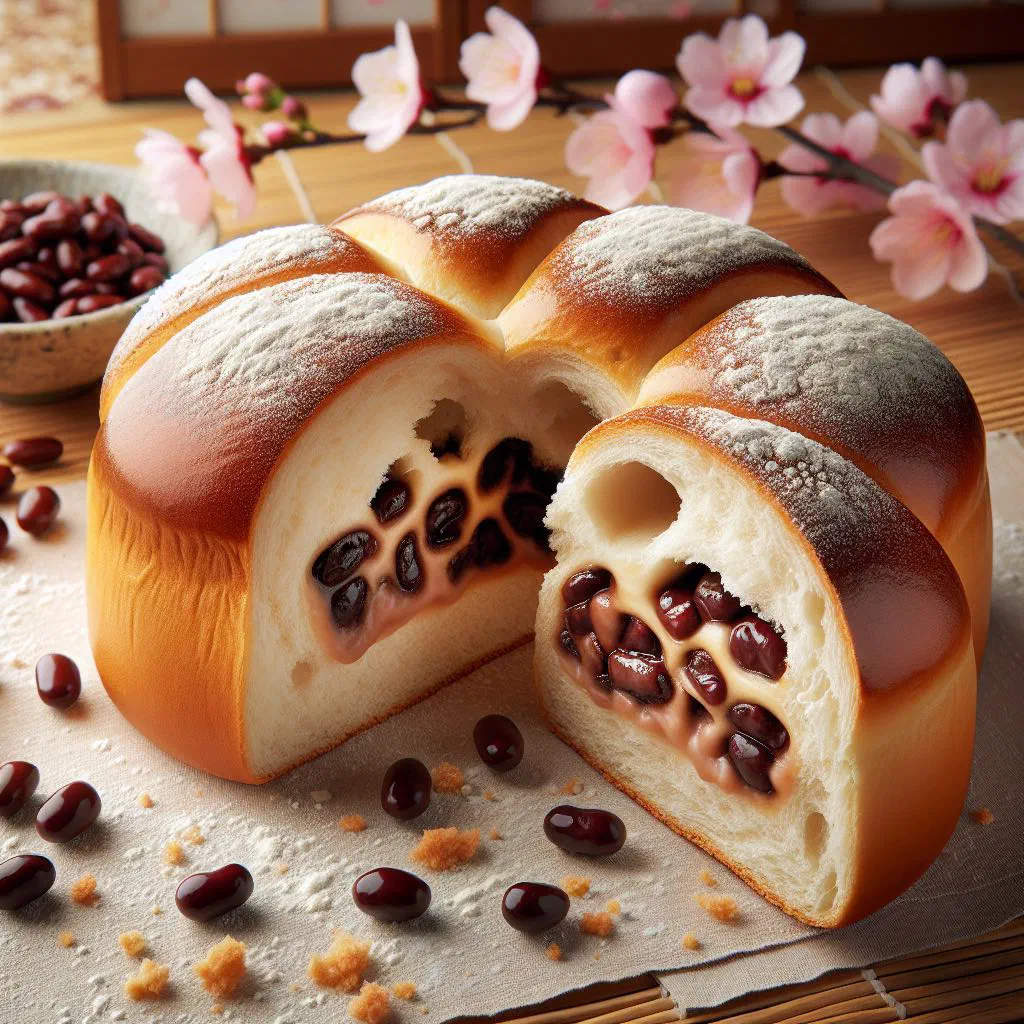
Discover Tsubuanpan, a much-loved Japanese sweet bun with a tender filling of red bean paste hidden inside a soft, pillowy dough. These little rolls are far more than a quick snack. They carry a genuine sense of Japanese culture and turn up everywhere from everyday tea breaks to special celebrations. With their cloud-like crumb and gently sweet centre, they bring a little slice of Japan straight into your own kitchen.
About Tsubuanpan
Tsubuanpan is a traditional Japanese pastry defined by its delicate filling of red bean paste tucked inside a soft, fluffy bun. These small rolls are delicious and an important part of Japanese culinary culture, often served on special occasions and bringing a real sense of Japanese hospitality into the home. The pairing of an airy, slightly sweet dough with a rich bean centre makes tsubuanpan an ideal treat for any day of the week, much like the pancake-wrapped sweetness of Dorayaki.
Ingredients (serves 1–2)
- 250 g plain flour
- 100 ml water
- 50 g sugar
- 1 tsp dried yeast
- 1 pinch of salt
- 100 g red bean paste
- 1 tbsp vegetable oil
Shopping for the ingredients
Before you start making tsubuanpan, it is worth gathering all the ingredients you need. Red bean paste is easy to find in most Asian supermarkets, while flour and sugar are stocked in any ordinary grocery shop. If a particular item proves tricky to track down, there are usually alternatives you can try instead. Make sure you also have the right equipment to hand, such as a mixing bowl and a baking tray, before you begin.
Preparing the dish
Good preparation is the key to perfect tsubuanpan. Begin by dissolving the dried yeast in lukewarm water and leaving it to rest for a few minutes until it turns foamy. Then weigh out the remaining ingredients and combine them in a large mixing bowl. It is important to blend everything thoroughly so you end up with a smooth, even dough.
Step-by-step instructions
- Dissolve the yeast in the lukewarm water and leave to rest for about 5 minutes.
- In a bowl, mix together the flour, sugar and salt.
- Add the dissolved yeast and the vegetable oil to the flour mixture.
- Knead the dough well until it becomes smooth and supple.
- Cover the dough and leave it to prove in a warm place for 1 hour.
- Divide the risen dough into portions and place a piece of red bean paste in the centre of each.
- Shape the pieces into buns and arrange them on a baking tray.
- Leave the buns to prove again for 30 minutes.
- Bake in a preheated oven at 180 °C for about 15 minutes.
- Leave to cool after baking, then enjoy.
Gluten-free / lactose-free version
Would you like to make tsubuanpan gluten-free or lactose-free? It is perfectly possible. Simply swap the wheat flour for an alternative such as rice flour or almond flour. Take care that the red bean paste is also lactose-free, which it usually is. With a few small adjustments, even those with particular dietary needs can enjoy this delicious pastry. If you are unsure, a ready-made gluten-free baking mix is a reliable shortcut.
Tips for vegans and vegetarians
For vegans, the important thing is to make sure every ingredient is free from animal products. In this recipe everything is already plant-based, as long as you stick to vegetable oil. Double-check that the red bean paste contains no animal-derived ingredients either. There are plenty of vegan alternatives for sweet fillings to experiment with, so you can create all sorts of different flavours.
More tips and tricks
A few simple tricks will help you get the best out of your tsubuanpan. Use room-temperature ingredients for a more even dough. A fluffier crumb develops when you knead the dough thoroughly until it turns elastic. Check the consistency of the red bean paste too. It should not be too runny. If it is, you can cook it down a little beforehand so it reaches the right texture, a technique that also pays off in the sweet Zenzai.
Adapting the recipe to your taste
The wonderful thing about tsubuanpan is how easily you can adjust it to suit your personal taste. Experiment with different fillings such as matcha paste or chocolate cream for an entirely new flavour experience. You can also dial the sweetness up or down by using less sugar or trying alternative sweeteners. That way every batch of tsubuanpan becomes uniquely your own.
Ingredient substitutions
If you are missing a particular ingredient, there are often tasty alternatives. For the yeast, you can use either dried or fresh yeast. If you have no wheat flour to hand, reach for spelt flour or even ground almonds to create a completely different character. The red bean paste, too, has flavourful stand-ins such as fruit purée or nut butter, the kind of soft sweetness you also find in Mitarashi Dango.
Drink pairing ideas
A range of drinks pairs beautifully with tsubuanpan. A classic Japanese green tea harmonises wonderfully with the bun’s gentle sweetness, while a lightly sweet jasmine tea offers another pleasing match. If you prefer something stronger, try a freshly brewed coffee to balance out the sugar. Each of these brings the flavours of the tsubuanpan to the fore and makes the whole experience that much more enjoyable.
Serving and presentation ideas
Presentation plays an important part in the enjoyment of tsubuanpan. Serve the buns on an attractive plate, perhaps against a stylish Japanese backdrop. Garnish them with a dusting of matcha or a scattering of edible flowers to add visual interest. A decorative cup brimming with fresh green tea beside the buns completes the look, turning any tea break into a small cultural occasion.
A bit of history
Tsubuanpan has a history stretching back to the 19th century. Originally inspired by Western-style baked goods, the bun quickly evolved into a popular snack across Japan. Using red bean paste as a filling is deeply rooted in Japanese cuisine and is said to symbolise sweetness and abundance. Today tsubuanpan is enjoyed as an everyday treat and as a welcome guest at celebrations and festivities, a fixture of Japanese cuisine that has stood the test of time.
More recipe ideas
Summary: Tsubuanpan
In short, tsubuanpan is a unique pastry that wins people over with its simple preparation and its delicious filling. The fact that the combination of fluffy dough and sweet bean paste appeals to so many is plain to see in the snack’s enduring popularity. Whether alongside a cup of tea or simply as a treat between meals, tsubuanpan is the perfect choice. Give this recipe a try and bring a little piece of Japan into your own kitchen.