National Dish Japan: Udon (Recipe)

In this article
Meet Udon, one of Japan’s most comforting and beloved noodle dishes. These thick, satisfyingly chewy wheat noodles are a cornerstone of Japanese kitchen culture, prized as much for their silky texture as for their knack of soaking up a delicate, savoury broth. Simple yet endlessly versatile, udon has won hearts far beyond Japan, and with this straightforward recipe you can bring its quiet, almost meditative warmth straight to your own table.
About Udon
Udon is a classic Japanese noodle dish that stands for far more than simply filling the belly. These thick wheat noodles are a symbol of Japanese culinary tradition and embody an almost meditative way of cooking. Their velvety texture and their ability to carry flavour with understated elegance make them an unmatched eating experience. Both in Japan and around the world, udon has grown steadily in popularity, quite simply thanks to its versatility and the ease with which it comes together.
Ingredients (serves 1–2)
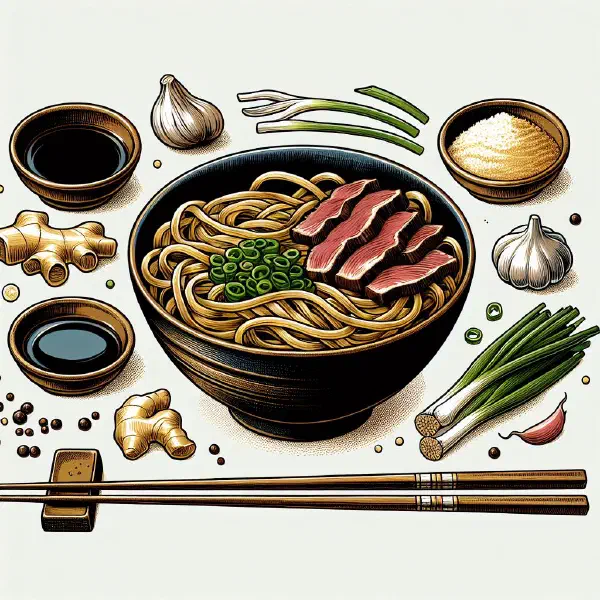
- 200 g udon noodles
- 1 litre water (for cooking the noodles)
- 1 tablespoon salt (for the cooking water)
- 2 spring onions
- 1 piece dried seaweed (kombu)
- 2 tablespoons soy sauce
- 1 tablespoon mirin
- 1 teaspoon sugar
- Dashi stock (about 500 ml, or vegetable stock as a substitute)
- Optional: tempura, chopped chillies, grated ginger, etc.
Shopping for the ingredients
For authentic udon, it is worth seeking out good-quality Japanese ingredients. Asian supermarkets or specialist shops stock fresh or dried udon noodles along with the building blocks of the dish such as kombu and mirin. When buying soy sauce, look for traditionally or naturally brewed options for the very best flavour.
Preparing the dish
Preparing udon begins with a little good time management. Make sure all your ingredients are ready and within reach before you start cooking. That includes washing and slicing the spring onions and measuring out the liquids. The kombu should be wiped gently with a damp cloth before use to remove any excess film of salt.
Step-by-step instructions
- Bring the water to the boil in a large pan and dissolve the salt in it.
- Add the udon noodles and cook them according to the packet instructions, taking care not to overcook them.
- Meanwhile, prepare the dashi stock. Heat the stock together with the kombu, soy sauce, mirin and sugar in a separate pan.
- Slice the spring onions into fine rings.
- Once the noodles are ready, drain them and rinse under cold water to stop the cooking.
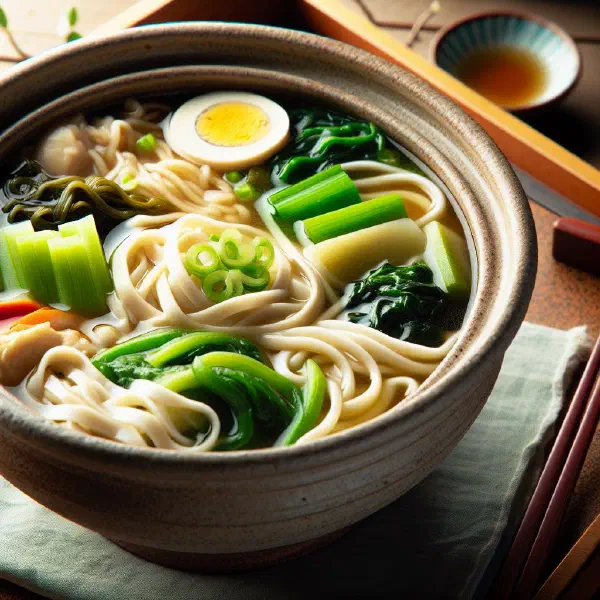
- Serve the noodles in deep bowls and pour the hot broth over the top.
- Garnish with the spring onion rings and any further toppings you fancy.
Gluten-free / lactose-free version
Udon is traditionally made with wheat, but a gluten-free version is easy to put together. Swap the regular udon for gluten-free noodles such as rice or buckwheat varieties so the dish suits anyone with a gluten intolerance. The broth itself is naturally lactose-free, though it is worth checking your soy sauce, since some blends contain wheat. With these small swaps everyone can enjoy a warming bowl without compromise.
Tips for vegans and vegetarians
For a vegan version of udon soup, replace the dashi stock with a starch-based vegetable stock and skip toppings such as tempura if they are not plant-based. Crisp fried tofu cubes or sautéed mushrooms make a lovely alternative, adding both protein and depth. Choosing naturally brewed soy sauce and fresh seasonal vegetables keeps the flavour authentic and the dish entirely meat-free.
More tips and tricks
A little foam forming as the udon cooks is perfectly normal. Skim it off with a slotted spoon to keep the broth nice and clear later on. If you have noodles left over, they keep well in the fridge and can be used again, cold as a noodle salad or warmed through in a fresh broth. A pan of dashi also reheats beautifully for a quick second meal.
Adapting the recipe to your taste
The udon recipe lends itself easily to adaptation. If you like it hotter, add chopped chillies; for more warmth and zing, stir in some grated ginger. The toppings are just as flexible, from sautéed mushrooms to crisp tempura, you can experiment to your heart’s content. For an even heartier bowl, take inspiration from a warming pot of Yosenabe.
Ingredient substitutions
If certain ingredients for udon are not to hand, there are plenty of creative alternatives. Vegetable stock makes a perfectly good stand-in for dashi, while a splash of dry sherry can step in for the mirin if needed. Should you fancy a thinner, lighter bowl, slim buckwheat noodles work beautifully in much the same way they do in Sudachi Soba. Substitutions like these help you tailor the recipe to what you have in the cupboard.
Drink pairing ideas
Traditional Japanese green tea makes a fine companion to udon, its gentle bitterness providing a perfect counterpoint to the mild noodles. Equally refreshing are fruity drinks such as a homemade yuzu lemonade or a cool ginger tea. These light, clean flavours round off the meal without overwhelming the delicate broth.
Serving and presentation ideas
Aesthetics matter a great deal in Japanese cuisine. Serve your udon in a deep, dark bowl to highlight the contrast with the pale noodles. Garnish with the fine green of the spring onions and perhaps a scattering of sesame seeds for extra texture. A neat arrangement of toppings turns a simple bowl into something that looks as good as it tastes, a feeling shared by the comforting Oden.
A bit of history
Udon has a long heritage and has been part of Japanese food culture since as far back as the 9th century. Originally imported from China, distinctly Japanese variations developed over time. Udon became especially well known in the Sanuki region, where it rose to the status of a local speciality. The hand-pulled noodles were perfected over generations and are today, as both comfort food and feast, inseparable from the story of Japanese gastronomy.
More recipe ideas
Summary: Udon
Udon is a firm fixture of Japanese cuisine and, thanks to the many ways it can be prepared, enjoys huge popularity. With this recipe the dish comes together in no time and leaves plenty of room for personal touches. These traditional Japanese wheat noodles turn into a warming bowl of noodle soup that is a highlight for the eyes as much as for the palate. Give it a try, and let this Japanese classic become a comforting staple in your own kitchen.