National Dish Japan: Umeboshi (Recipe)
In this article
Discover Umeboshi, the famously salty pickled plums at the heart of Japanese home cooking. These intensely tangy, salty little fruits have been preserved in Japan for centuries, prized as much for their bracing flavour as for their reputed health benefits. With nothing more than ripe plums, good sea salt and a little patience, you can make your own jar of these traditional treasures and bring the bold, mouth-puckering taste of Japan straight into your kitchen.
About Umeboshi
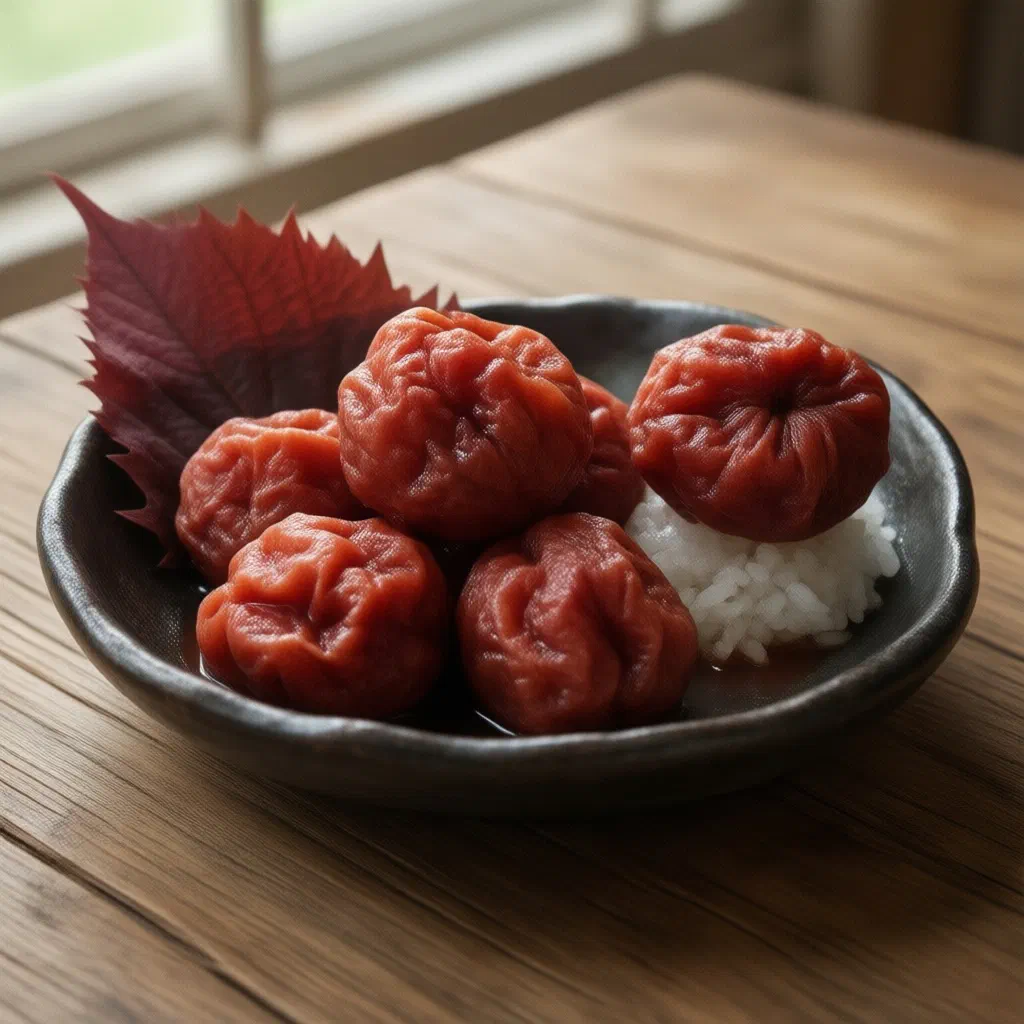
Umeboshi are salt-pickled plums with a long and cherished tradition in Japanese cuisine. These distinctive treats are made from the ume plum, a fruit celebrated for its sharp, concentrated flavour. What sets umeboshi apart is their harmonious balance of sweetness, sourness and saltiness, which makes them a perfect partner to all sorts of dishes. Beyond their unmistakable taste, they are also valued for their many health benefits, from aiding digestion to supporting the immune system.
Ingredients (serves 1–2)
- 300 g ume plums
- 100 g sea salt
- ½ cup shiso leaves (optional)
- 1 jar with a lid (one litre)
Shopping for the ingredients
The two essentials for making umeboshi are the ume plums and good sea salt. Both can be found in well-stocked Asian grocers or ordered online. Wherever possible, choose fresh, ripe ume plums, as these give the best flavour and the texture you are after. Shiso leaves are optional and can be added to taste; they lend the umeboshi an extra aromatic lift and the characteristic pink-red colour many people love.
Preparing the dish
A careful bit of groundwork is key to making umeboshi successfully. First, rinse the ume plums thoroughly under cold water to remove any dirt. Then dry them well, as excess moisture can interfere with the pickling. If you plan to use shiso leaves, wash and dry these too before layering them into the jar. A clean, dry jar is just as important, so sterilise it beforehand to keep your plums safe during their long rest.
Step-by-step instructions
- Layer the washed ume plums into a large jar.
- Alternate a layer of ume plums with a layer of sea salt.
- If you are using shiso leaves, tuck them in between the layers of plums.
- Seal the jar with a lid and store it somewhere cool and dark.
- Leave the plums to pickle for at least six weeks so they develop their signature flavour.
Gluten-free / lactose-free version
This umeboshi recipe is naturally gluten-free and lactose-free, since it relies on nothing more than ume plums, sea salt and optional shiso leaves. That makes it an excellent choice for anyone with particular dietary needs. Do take care when choosing your salt, however, and check that there are no hidden gluten-containing ingredients. Reading the labels carefully ensures every component meets your requirements.
Tips for vegans and vegetarians
Umeboshi are a wonderful addition to any vegan or vegetarian diet. They are rich in nutrients and bring an explosive burst of flavour that makes everyday dishes far more exciting. Vegans can enjoy umeboshi in salads, with rice dishes or as a punchy little side. Try serving them with fresh vegetables or alongside tofu to round out a balanced, satisfying meal, much like the fresh, savoury notes in a Wafu Salad.
More tips and tricks
Making umeboshi calls for both patience and precision. Check the plums regularly for any sign of mould or spoilage as they rest. To keep them at their best for as long as possible, always store them somewhere cool and dark. For an extra dimension of flavour, you can also add a few spices to the jar, giving your umeboshi a more intriguing character all of their own.
Adapting the recipe to your taste
Umeboshi are easy to tailor to your own preferences by varying the amount of salt or the length of the pickling time. If you like them less salty, simply reduce the salt or increase the proportion of ume plums. You can also experiment with different flavours by adding herbs or spices to create your own signature note. A little creative tinkering can transform your whole umeboshi experience.
Ingredient substitutions
While the traditional recipe is built around ume plums, you can experiment with other fruity alternatives, such as apricots, which share a similar flavour profile. If ume plums prove hard to track down, ordinary plums will work too, though the authentic taste will shift slightly. For a less salty result, you can swap the sea salt for Himalayan salt. Playing with these substitutions lets you develop umeboshi-style creations all your own.
Drink pairing ideas
A range of drinks complements the sweet-and-salty character of umeboshi beautifully. Green tea is a superb choice, its mild flavour balancing the plums perfectly. Japanese sake or umeshu (plum liqueur) also harmonise wonderfully and amplify the fruit’s flavour. For a fizzy, refreshing option, serve sparkling mineral water with a squeeze of lemon to round off the experience.
Serving and presentation ideas
When it comes to presenting your homemade umeboshi, let your imagination run free. Serve them on a handsome Japanese porcelain plate that shows off the colours and textures of the pickled plums. For an appealing finish, garnish with fresh shiso leaves or edible flowers. These aesthetic touches not only enhance the dish but turn it into a genuine feast for the senses, much as a thoughtfully plated rice ball such as Onigiri appeals to the eye.
A bit of history
The tradition of umeboshi has its roots in Japan and stretches back several centuries. Historically, they were used as a natural remedy to ward off various ailments and promote good health. The art of pickling is closely tied to the philosophy of Japanese cuisine, which works in harmony with nature and seasonal ingredients. Today umeboshi are popular not only in Japan but increasingly around the world, valued as a healthy and flavourful food.
More recipe ideas
Summary: Umeboshi
Umeboshi are an one-of-a-kind delicacy from Japan, captivating with their extraordinary blend of sweetness, sourness and saltiness. Their straightforward preparation and the many ways you can adapt them make them an exciting addition to the modern kitchen. With their many health benefits and deep cultural roots, umeboshi are a genuine piece of Japanese tradition. Give them a try and savour the authentic flavour of Japan.