National Dish Japan: Walnut Soba (Recipe)
In this article
Discover Kurumi Soba, a graceful Japanese dish that brings together earthy buckwheat noodles and the rich, buttery crunch of walnuts. This is comfort food with quiet elegance: nutty, savoury and deeply satisfying, yet light enough for any time of day. With its mellow soy-and-mirin dressing and a scattering of fresh spring onions, it captures the understated beauty of home-style Japanese cooking and is surprisingly simple to recreate in your own kitchen.
About Kurumi Soba
Kurumi Soba is a traditional Japanese dish that pairs the wholesome qualities of buckwheat noodles with the delicious flavour of crisp walnuts. The combination delivers a distinctive aroma and an excellent source of nutrition. Buckwheat is prized for its health-giving properties, including antioxidants and protein, while walnuts are rich in healthy fats. A fragrant sauce ties everything together and reflects the gentle, savoury flavours of the Far East.
Ingredients (serves 1–2)
- 200 g buckwheat noodles (soba)
- 50 g walnuts
- 2 tablespoons soy sauce
- 1 tablespoon mirin
- 1 teaspoon sesame oil
- Fresh chives or spring onions, to garnish
- A pinch of salt
Shopping for the ingredients
Sourcing the ingredients for kurumi soba is simple and straightforward. Most of the ingredients are available in Asian grocery shops or well-stocked supermarkets. The buckwheat noodles (soba) in particular are usually found in the international aisle. Where possible, reach for organic ingredients to enjoy the very best flavour and the greatest health benefits.
Preparing the dish
Before you start cooking kurumi soba, there are a few important preparations to take care of. First, roughly chop the walnuts so they show themselves off well once tossed through the noodles. It is also worth mixing the sauce in advance, giving the flavours time to develop fully. Don’t forget to ready fresh ingredients such as chives or spring onions in good time, so you can finish the dish with an attractive garnish.
Step-by-step instructions
- Cook the buckwheat noodles according to the packet instructions until al dente.
- Heat the sesame oil in a pan and lightly toast the chopped walnuts.
- In a bowl, combine the soy sauce and mirin and stir well.
- Once the noodles are ready, drain them and add them to the pan with the walnuts.
- Pour the sauce over the noodles and toss everything together until the noodles are evenly coated.
- Garnish with fresh chives or spring onions and enjoy.
Gluten-free / lactose-free version
If you would like to prepare a gluten-free or lactose-free version of kurumi soba, you can use gluten-free buckwheat noodles, which are widely available. Be sure to choose a gluten-free soy sauce so the whole dish stays gluten-free. Lactose-free products are also a good choice should the sauce need adjusting. The method stays exactly the same, so the flavours remain pure and unaltered. The same easy swaps work beautifully for a comforting bowl of Ankake Udon.
Tips for vegans and vegetarians
Kurumi soba is naturally well suited to vegans and vegetarians, as it contains no animal products. To make the dish even more nourishing, add extra vegetables such as broccoli or carrots for more vitamins and fibre. Reach for fresh, seasonal produce to enhance the flavour, and a squeeze of fresh lemon can lend the dish a pleasant brightness too.
More tips and tricks
To get the very best from your kurumi soba, vary the quality of the ingredients you cook with. High-quality soy sauce or freshly toasted walnuts can improve the aroma considerably. Experiment with different kinds of nut, or add spices such as ginger or garlic to give the dish more depth. The way you cook the noodles can affect the texture too, so feel free to experiment.
Adapting the recipe to your taste
The beauty of kurumi soba lies in its versatility. Tailor the recipe entirely to your taste by using different sauces or nuts. Swap the walnuts for cashews, for instance, and you create a whole new character. Adding tofu can also enrich the dish, especially if you are after extra protein. Don’t be afraid to get creative.
Ingredient substitutions
If you don’t have certain ingredients to hand, there are some excellent alternatives. Instead of buckwheat noodles you could use other varieties such as rice noodles, though the flavour will shift a little. The soy sauce can be replaced with tamari to keep the dish gluten-free, much as you would for a tangy Sudachi Soba. You can also swap the walnuts for pistachios to achieve a completely different flavour direction.
Drink pairing ideas
Several drinks pair nicely with kurumi soba and underline the flavour of the dish. A light, fruity white wine or a mild sparkling mineral water make excellent companions. Japanese beer can also harmonise well and support the dish’s Asian character. For an alcohol-free option, green tea is ideal, refreshing and good for the digestion too.
Serving and presentation ideas
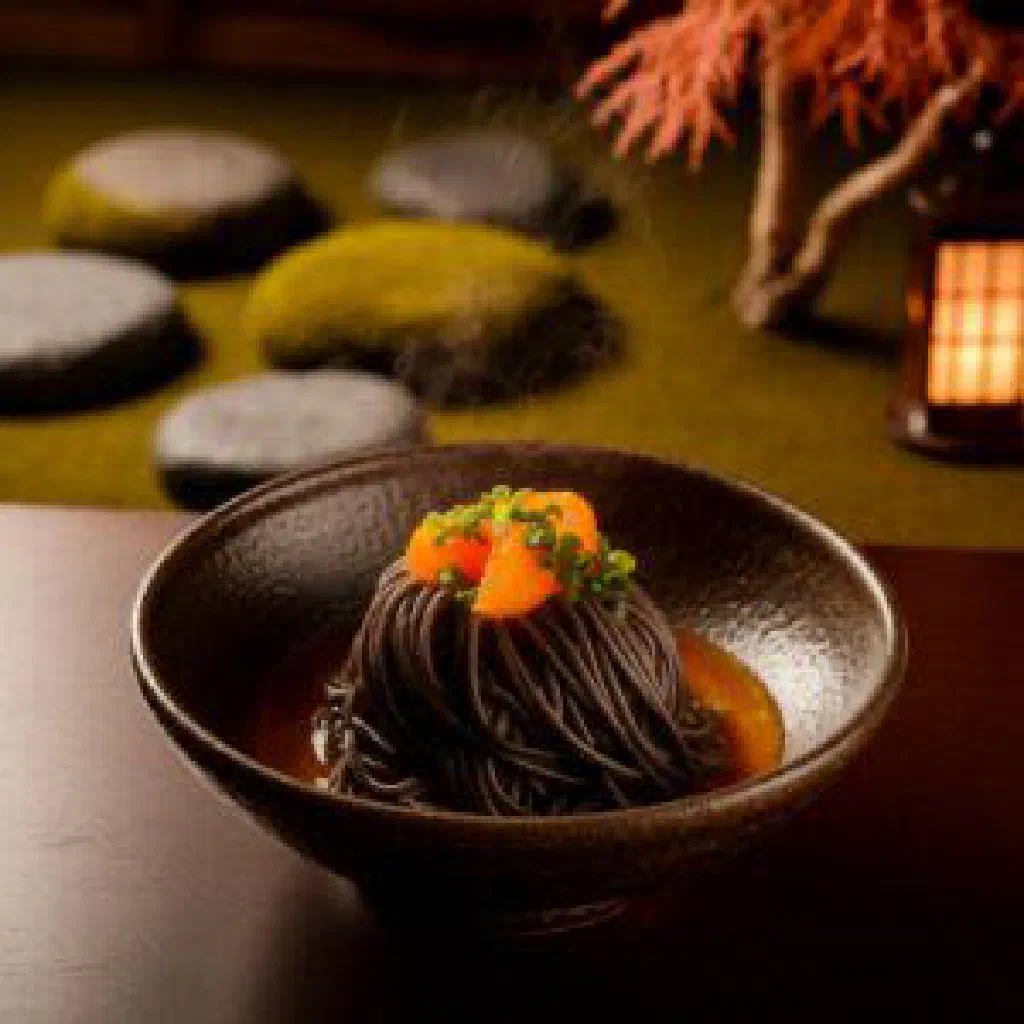
The presentation of your kurumi soba can be decisive in making the dish even more appealing. Use an attractive bowl or a deep plate to drape the noodles invitingly. Decorate the dish with fresh herbs such as chives and a few walnuts on top. Thinking about the colours and textures of the individual ingredients can also help to lift the dish visually.
A bit of history
Kurumi soba has its roots in the rich and varied world of Japanese cuisine, which leans heavily on regional ingredients. It is a fine example of how traditional cooking can be combined with more modern touches. The use of grains such as buckwheat has a long history in Japan and has been treasured for centuries. Dishes like kurumi soba represent part of this culinary tradition, one that highlights the cultural values and health-conscious spirit of Japanese cooking, qualities it shares with timeless staples such as Onigiri.
More recipe ideas
Summary: Kurumi Soba
In short, kurumi soba is a nourishing and delicious dish that brings together the very best of traditional Japanese ingredients. With its wealth of options for adaptation and variation, it stays unique to every cook. It is sure to earn a special place on your menu. Let the flavours and elegance of this dish inspire you, and give it a try today.