National Dish Japan: Yaki Udon (Recipe)
In this article
Say hello to Yaki Udon, a quick and comforting Japanese stir-fry built around thick, springy wheat noodles. Tender udon noodles meet crisp vegetables and savoury soy sauce in a single sizzling pan, ready in minutes and endlessly adaptable. Beef, tofu or simply a colourful pile of greens, this is the kind of relaxed weeknight supper that brings the warmth of a Japanese kitchen straight to your table.
About Yaki Udon
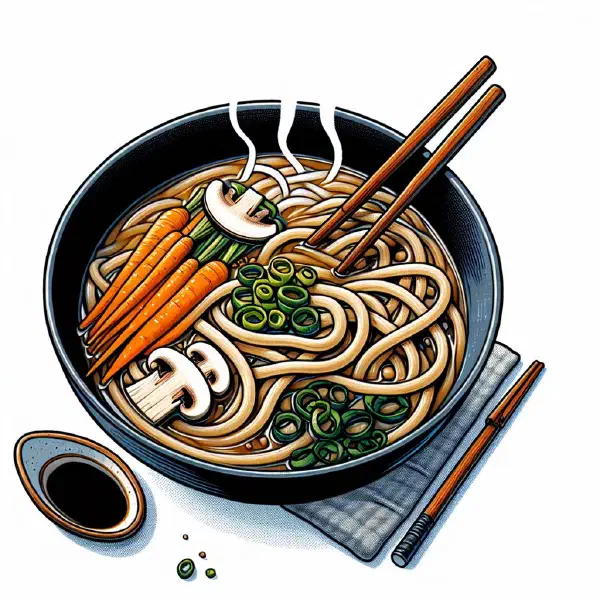
Yaki Udon is a much-loved Japanese dish that gets its character from soft, springy udon noodles. These thick wheat noodles are made traditionally from wheat flour, water and salt, and they are a true staple of Japanese cooking. Yaki udon is usually tossed together with fresh vegetables and tender meat or even tofu, which results in a hearty and genuinely satisfying meal. The mix-and-match nature of its ingredients is what makes this dish so adaptable, and so popular with cooks of every kind.
Ingredients (serves 1–2)
- 200 g udon noodles
- 100 g chicken breast or beef
- 1 carrot, cut into strips
- 1/2 courgette, cut into strips
- 1 pepper, cut into strips
- 2 spring onions, sliced into rings
- 2–3 tablespoons soy sauce
- 1 tablespoon sesame oil
- Oil, for frying
- Pepper and salt, to taste
Shopping for the ingredients
To make a great yaki udon, it pays to gather all the ingredients you need before you start. Pop into your local Asian grocery or supermarket to track down fresh udon noodles and the vegetables on your list. Choose good-quality soy sauce and fresh meat, as both have a real bearing on the final flavour of the dish. If you can lay your hands on seasonal vegetables grown nearby, all the better. It lifts both the taste and the sustainability of your meal.
Preparing the dish
Getting ready for yaki udon is quick and straightforward. Begin by cooking the udon noodles according to the instructions on the packet. While the noodles boil away, you can prepare the vegetables and meat to save yourself some time. Cut the vegetables into even strips so that everything cooks at the same rate when it hits the pan. A little groundwork keeps you off the back foot at the stove and means every ingredient goes into the stir-fry fresh.
Step-by-step instructions
- Cook the udon noodles in boiling water for 3–5 minutes, then drain and set aside.
- Heat the oil in a pan or wok and fry the prepared meat until golden brown.
- Add the sliced vegetables and stir-fry for a few minutes.
- Tip the cooked udon noodles into the pan and toss with the soy sauce and sesame oil.
- Mix everything well, season with salt and pepper, and fry for a few minutes until piping hot throughout.
Gluten-free / lactose-free version
For anyone following a gluten-free or lactose-free diet, yaki udon takes only a few simple tweaks. Use gluten-free udon noodles made from rice or buckwheat, and swap the soy sauce for tamari, a naturally gluten-free alternative. As for a lactose-free version, there is nothing to worry about. This dish contains no dairy in the first place, so simply leave any milk products out. These small adjustments let everyone enjoy a delicious and hearty plate of noodles.
Tips for vegans and vegetarians
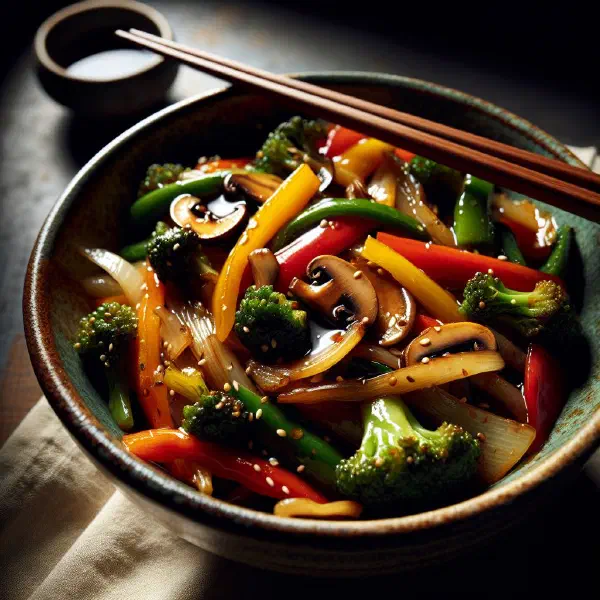
Yaki udon is easy to make vegan or vegetarian by leaving out the animal ingredients. Instead of chicken breast or beef, reach for tofu or tempeh, both of which add a welcome boost of protein. The vegetables can be adapted to taste as well; broccoli, mushrooms or Chinese cabbage all make excellent additions. With this version, vegetarians and vegans can tuck into a Japanese classic without sacrificing an ounce of flavour.
More tips and tricks
To get the very best from your yaki udon, there are a few tricks worth keeping in mind. Experiment with different vegetables to bring variety to your noodles, and add aromatics such as ginger or garlic for an extra layer of flavour. The art of a good stir-fry lies in cooking everything evenly, so the vegetables stay crisp while the noodles soak up the sauce. Don’t forget to keep things moving in the pan so it all cooks at the same pace.
Adapting the recipe to your taste
Everyone has their own preferences, and yaki udon is wonderfully easy to tailor to individual tastes. Feel free to play with the vegetables you use, or add a little heat with a pinch of chilli flakes. If you like a saucier finish, simply increase the soy sauce. You can also enrich the dish with extra protein such as prawns or eggs to create something new each time. That flexibility makes yaki udon a brilliant dish for any household.
Ingredient substitutions
If you don’t have every ingredient for yaki udon to hand, there is no need to worry. You can swap the udon noodles for other Asian noodles, such as soba or rice noodles, much like the buckwheat noodles that take centre stage in Sudachi Soba. In place of chicken, pork or even simply cooked vegetables work beautifully. When it comes to the sauce, teriyaki or hoisin sauce will lend a sweeter note. Substitutions like these open up far more variety in the kitchen and help you make a tasty meal from whatever you already have.
Drink pairing ideas
To round off an authentic yaki udon experience, it is worth choosing a drink to match. Green tea is a popular pick that complements the flavours of the dish beautifully. If you fancy something alcoholic, a light Sapporo beer or a fruity sparkling wine makes a fine companion. For an alcohol-free option, a refreshing ginger lemonade does the trick nicely. These drinks bring your Japanese meal full circle for a harmonious finish.
Serving and presentation ideas
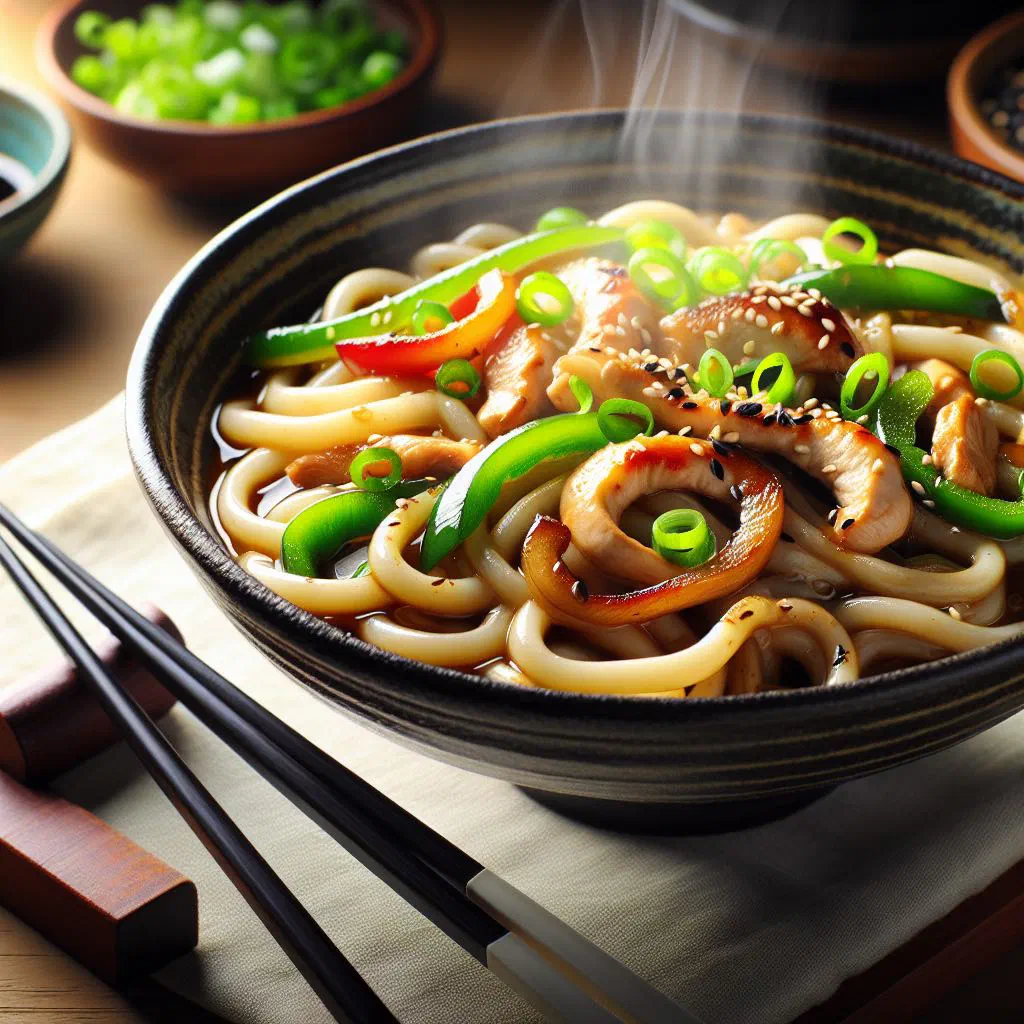
A thoughtful presentation can lift the whole yaki udon experience. Serve the dish in large, shallow bowls or on platters to show it off at its best, and garnish with freshly chopped spring onions or a scattering of sesame seeds for an extra touch. Setting the table with smart chopsticks and traditional Japanese tableware sharpens the look and adds to the cultural feel of the meal. An inviting presentation turns any supper into a real occasion.
A bit of history
Yaki udon has its roots in Japan and forms part of the country’s rich culinary tradition. The udon noodles themselves are an ancient food, with mentions going back as far as the 9th century. They were originally served in ordinary households and grew, over time, into a beloved dish across the whole of Japanese culture. Today yaki udon is enjoyed not only in Japan but around the world, much like other staples of Japanese cuisine. That link to history makes the dish not just tasty but culturally meaningful too.
More recipe ideas
Summary: Yaki Udon
To sum up, yaki udon is a tasty dish and a wonderful way to bring a little Japanese culture straight into your kitchen. This versatile meal offers no end of options, so it can easily be adapted to suit different tastes and dietary needs. Gluten-free or thoroughly traditional version, yaki udon will pleasure you and your guests with its savoury flavour and easy preparation. Make the most of the tips and ideas above to create your own yaki udon and enjoy every mouthful of the experience.