National Dish Japan: Yosenabe (Recipe)
In this article
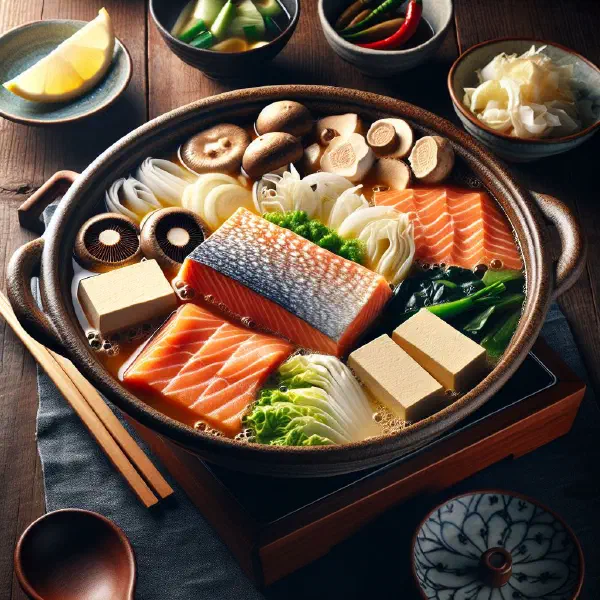
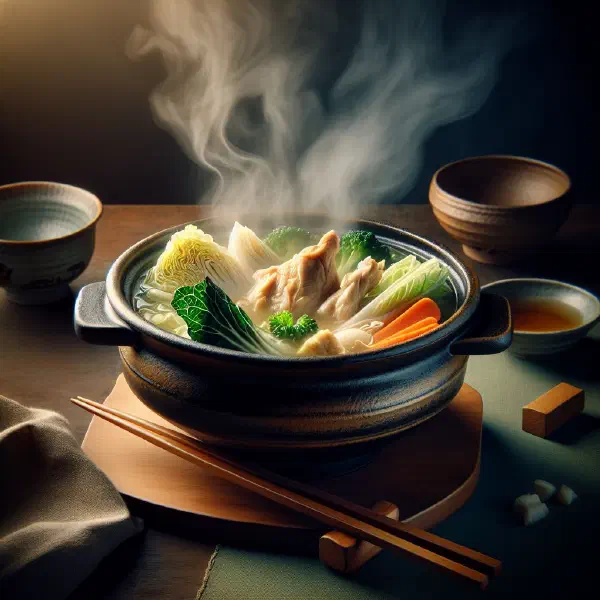
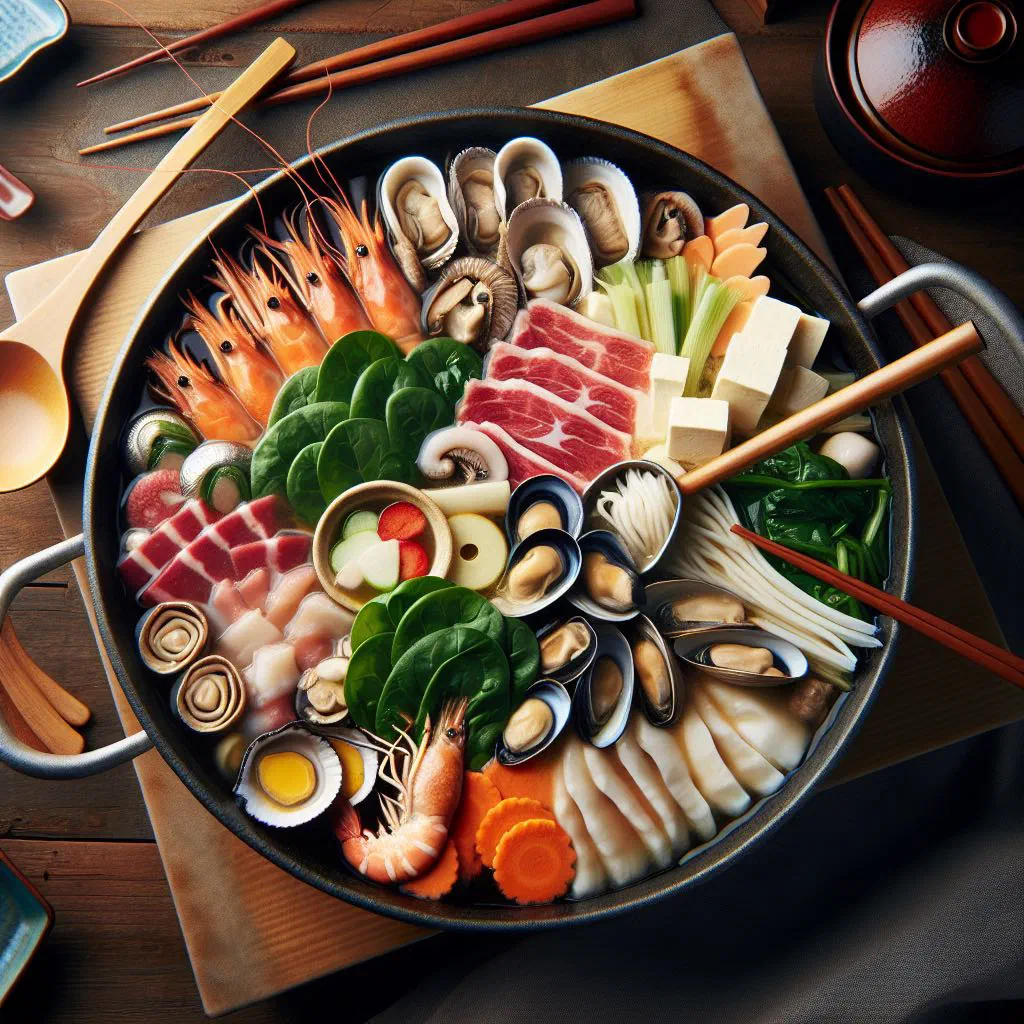
Discover Yosenabe, one of Japan’s most comforting one-pot meals. This generous hot pot brings together tender meat, fresh vegetables and silky tofu in a fragrant dashi broth. It is the dish families gather around on cold winter evenings, ladling helpings straight from the pot at the table. Warming, sociable and endlessly adaptable, yosenabe turns a simple supper into a shared occasion.
About Yosenabe
Yosenabe is a traditional Japanese dish, a hearty hot pot found in households all across the country. It combines tender meat, fresh vegetables and an aromatic broth into an uniquely satisfying experience. The dish is especially popular during the colder months, when it warms you through and appeals to the palate. Best of all, cooking and eating from the same pot brings a wonderfully convivial atmosphere to any gathering.
Ingredients (serves 1–2)
- 200g beef or chicken, thinly sliced
- 200g tofu, diced
- 1 carrot, sliced
- 100g shiitake mushrooms, halved
- 1 small courgette, thinly sliced
- 1 spring onion, sliced into rings
- 500ml dashi broth
- 2 tablespoons soy sauce
- 1 tablespoon mirin
- 1 teaspoon sesame oil
Shopping for the ingredients
When shopping for yosenabe it is worth choosing good-quality ingredients to get the very best flavour. Visit a local Asian grocery or a well-stocked supermarket to find fresh vegetables and meat. Pay particular attention to fresh shiitake mushrooms and tofu, which give the dish its special character. If you can, prepare the dashi broth from scratch as well, to achieve a truly authentic taste.
Preparing the dish
Preparing yosenabe is quick and straightforward. Wash and cut the vegetables into even pieces so they cook through at the same rate. The meat should likewise be sliced thinly to keep it beautifully tender. Before you begin, it helps to lay out all the ingredients on your work surface so the cooking comes together smoothly and without fuss.
Step-by-step instructions
- Heat the sesame oil in a large pot and briefly sear the meat until lightly browned.
- Add the prepared vegetables and stir everything together well.
- Pour in the dashi broth, soy sauce and mirin, then bring the mixture to the boil.
- Add the diced tofu and let everything simmer gently over low heat for about 15 minutes.
- Serve the yosenabe piping hot, garnished with spring onions.
Gluten-free / lactose-free version
It is perfectly possible to make yosenabe both gluten-free and lactose-free. Swap the soy sauce for a gluten-free version and use lactose-free tofu. Take care to prepare the dashi broth without any gluten-containing ingredients too. That way every guest can enjoy the dish to the full, without worrying about their dietary needs.
Tips for vegans and vegetarians
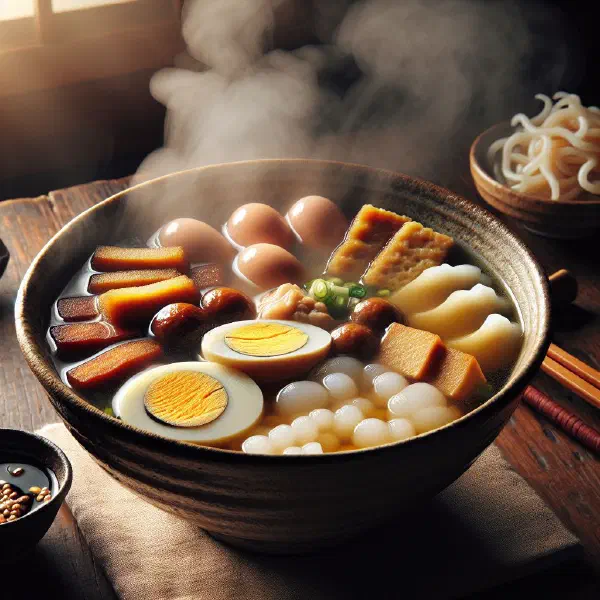
Yosenabe adapts easily for vegan and vegetarian diners. Replace the meat with a colourful range of vegetables, such as aubergine or peppers. In place of tofu you might also use seitan or another plant-based protein. Just be sure to use a vegetable-based dashi so the dish stays delicious and entirely plant-based, much like the gentle, broth-led approach of Oden.
More tips and tricks
A few simple tips and tricks make yosenabe even easier to prepare. Experiment with different vegetables to discover new flavours. Remember to taste the broth before serving and adjust the seasoning if needed. Adding a little chilli or fresh ginger introduces extra aromas and gives the dish a welcome lift.
Adapting the recipe to your taste
The versatility of yosenabe means you can easily tailor the recipe to your own preferences. Add more or fewer vegetables, depending on what you enjoy most. You can also vary the broth, perhaps using a different stock or seasoning. This makes it simple to reinvent the dish again and again and adapt it to suit your taste, in the same spirit as the heartier Hōtō Nabe.
Ingredient substitutions
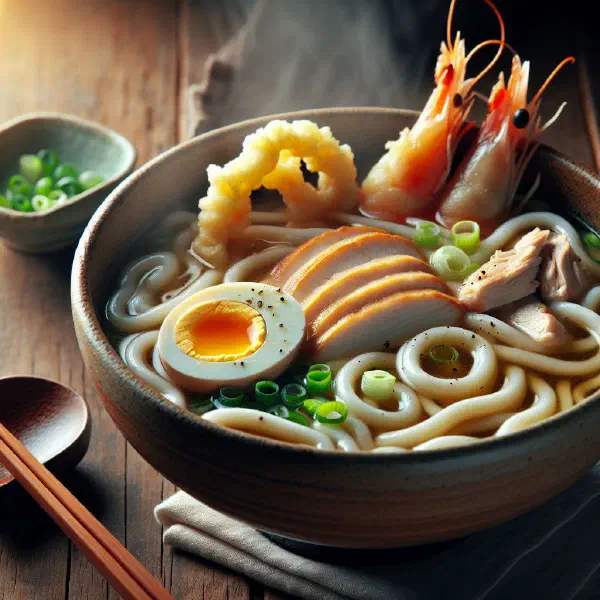
If you do not have every ingredient for yosenabe to hand, there are plenty of alternatives to fall back on. Instead of beef you might use pork or chicken, for example. Vegetables such as cabbage or spinach also make excellent additions. For the broth, other clear stocks or vegetable stocks can serve as a base to achieve the flavour you are after. The same flexibility makes a soothing bowl of Ankake Udon so easy to throw together.
Drink pairing ideas
A range of drinks pairs beautifully with yosenabe. The classic choice is sake, whose gentle sweetness harmonises wonderfully with the hot pot. Alternatively, a Japanese beer or a cup of green tea makes a great companion.
Serving and presentation ideas
A thoughtful presentation can lift the yosenabe experience considerably. Serve the hot pot in a traditional Japanese bowl to create an authentic atmosphere. Decorate the dish with fresh herbs or spring onions to add colour and freshness. Smaller bowls for the broth are a good idea too, giving your guests the chance to help themselves to more.
A bit of history
Yosenabe has its roots in Japan’s rural culture, where it was traditionally cooked in pots set over open fires. The dish symbolises community and togetherness, as it is perfectly suited to shared meals. In many Japanese households yosenabe is a fixture of the winter months and is often served at family gatherings or festive occasions. This cultural significance makes it a treat for the palate and a true celebration of Japanese cuisine.
More recipe ideas
Summary: Yosenabe
Yosenabe is a varied and delicious dish that captures the very essence of Japanese cooking. Whether as a traditional meal on a cold day or a sociable occasion with friends and family, yosenabe offers an experience like no other. With simple ingredients and a flexible method, it is an ideal recipe to vary and adapt however you please. Let the aromas and traditions of this Japanese delicacy tempt you, and enjoy the magical world of Japanese cuisine in your own kitchen.