National Dish Japan: Yuba (Recipe)
In this article
Discover Yuba, the delicate tofu skin that forms when soy milk is gently heated, a quiet treasure of the Japanese kitchen. With its mild, subtly nutty taste and silky, tender texture, it slips effortlessly into soups, salads and refined side dishes. Easy to prepare yet genuinely special, yuba offers a true taste of Japan’s gentle, plant-based cooking, ready to bring a touch of elegance to your own table.
About Yuba
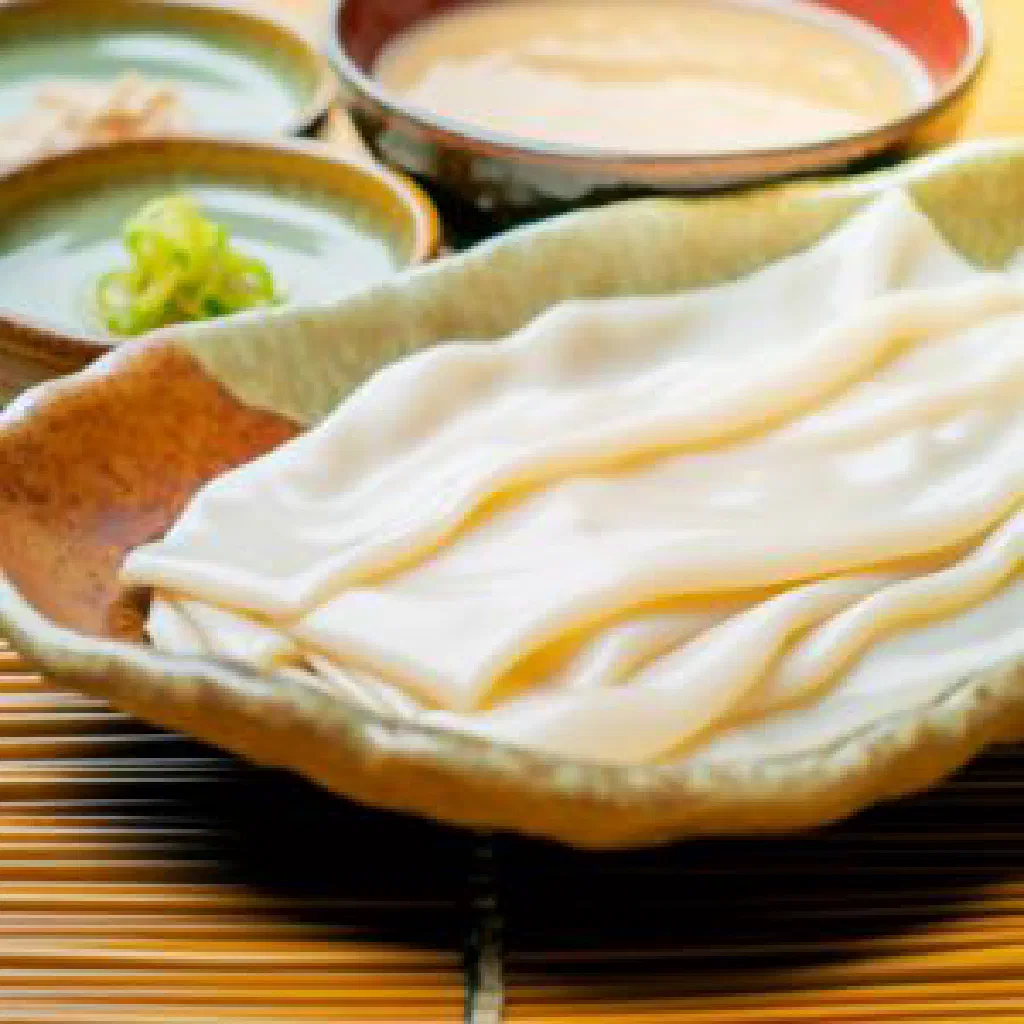
Yuba, also known as tofu skin, is a traditional Japanese ingredient that forms during the making of soy milk. As the milk is heated, a delicate film rises and floats on the surface, which is carefully lifted away. Yuba has a unique, mild flavour and a pleasingly tender texture that lends itself beautifully to all manner of dishes. In Japanese cooking it appears in soups, in salads and as a delicate accompaniment to other foods, much like the gentle vegetable preparations found across Japanese cuisine.
Ingredients (serves 1–2)
- 200 g fresh yuba
- 2 tablespoons soy sauce
- 1 tablespoon sesame oil
- 1 teaspoon rice vinegar
- Fresh vegetables (such as carrots, cucumber, peppers)
- Fresh herbs (such as coriander, chives)
Shopping for the ingredients
When shopping for a yuba dish, you will find fresh yuba in Asian grocery shops or well-stocked organic supermarkets. Take care to choose a good-quality soy sauce and sesame oil, as these have a real influence on the final flavour. Fresh vegetables and herbs are just as important for keeping the dish lively and bright. You can also lean on seasonal produce to ring the changes and keep things varied.
Preparing the dish
Before you begin cooking, rinse the yuba thoroughly and cut it into strips so it folds easily into your dishes. Prepare the vegetables by slicing them into fine strips or dice, according to your taste. Remember, too, to wash the herbs well and chop them finely if needed. A little careful groundwork keeps the cooking process smooth and helps you reach a delicious result.
Step-by-step instructions
- Heat the sesame oil in a frying pan over medium heat.
- Add the prepared yuba and fry for around 2–3 minutes, until lightly golden.
- Add the sliced vegetables and cook for a few minutes more, until softened but still crisp.
- Season the dish with soy sauce and rice vinegar, then toss everything together well.
- Arrange the mixture on a plate and garnish with fresh herbs.
Gluten-free / lactose-free version
To make this recipe gluten-free, swap ordinary soy sauce for a gluten-free soy sauce or tamari. These alternatives offer the same savoury, salty note without any gluten. As for a lactose-free version, the ingredients used here are already suitable, since yuba and most soy sauces are free from animal products. Do check, however, that any other ingredients you add are lactose-free too.
Tips for vegans and vegetarians
This yuba dish is naturally vegan and vegetarian, as it relies entirely on plant-based ingredients. To deepen the flavour, you might add extra seasonings such as ginger or garlic, which bring both taste and health benefits. Experiment with different vegetables to discover new aromas and textures. For a more protein-rich version, you could also stir in chickpeas or extra tofu, much as you would in a hearty Yosenabe hotpot.
More tips and tricks
A few helpful pointers for preparing yuba: take care not to fry it for too long, as it can turn tough. Instead, give it only a brief sauté so it keeps its tender texture. Pairing it with different sauces and dressings is a lovely way to make the dish more interesting. Beyond that, you can also tuck yuba into a sandwich or wrap to create a nourishing meal.
Adapting the recipe to your taste
The wonderful thing about yuba is how versatile it is and how readily it adapts to your own preferences. Feel free to choose the vegetables you like best, or add different seasonings to steer it in a new direction. You might also experiment with various dressings to create a whole range of flavours, the same playful spirit that makes a Wafu Salad so easy to love. In this way every yuba dish becomes unique and entirely your own.
Ingredient substitutions
If you cannot find yuba, you can use tofu instead, which can be prepared in much the same way. For the soy sauce, you might also reach for miso paste, which lends the dish a hearty umami depth, just as it does in fermented favourites such as Nattō. When using miso, adjust the other liquids accordingly to keep a balanced consistency. Other Asian greens such as pak choi or bok choy can also make excellent additions.
Drink pairing ideas
A range of drinks pairs beautifully with a yuba dish. A simple, refreshing green tea underlines the flavours of the food and makes a healthy choice. Alternatively, you might consider an Asian craft beer, which is lively and tasty and harmonises well with the dish. For an option with a gentler edge, a fruity sake can be a fine match that rounds out the Japanese meal perfectly.
Serving and presentation ideas
An appealing presentation can heighten the pleasure of a yuba dish considerably. Serve it on a handsome white plate so the colours of the ingredients really shine. Garnish with fresh herbs or toasted sesame seeds to add extra aroma and texture.
A bit of history
The history of yuba reaches far back into Asian culture and reflects the craft of soy milk making. In Japan, yuba has been produced for many centuries and turns up in various regional kitchens. It is regarded not merely as a foodstuff but as a symbol of nourishment and good health within Japanese culture. The preparation of yuba is also part of the traditional Zen kitchen, where the simplicity of the ingredients and their pure flavour take centre stage, a sensibility shared by classic simmered dishes like Nishime.
More recipe ideas
Summary: Yuba
In short, yuba is a delicious and versatile ingredient that appeals to the palate while carrying a deep cultural meaning. Its tender texture and mild flavour make it an ideal addition to many Japanese recipes. Whether in soups, as a salad or within a variety of main dishes, yuba lends every plate a certain something. Try it for yourself and see just how simple and satisfying it is to prepare this traditional Japanese dish.