National Dish Japan: Zaru Soba (Recipe)
In this article
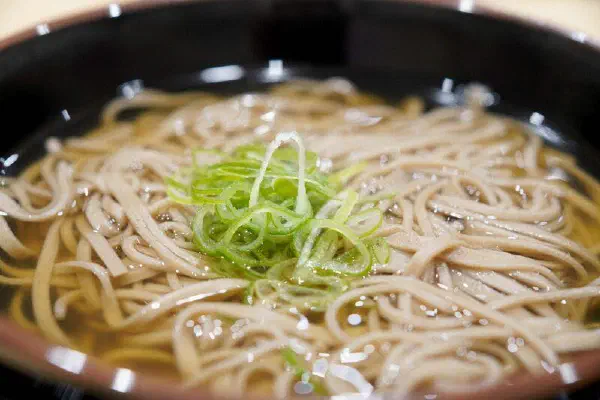
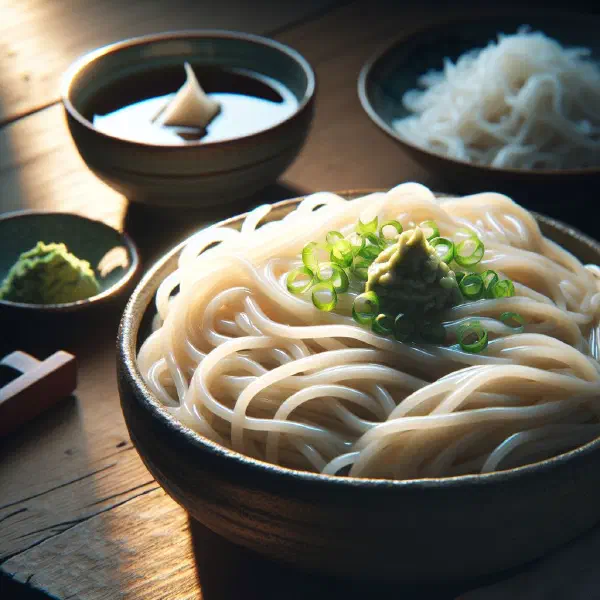
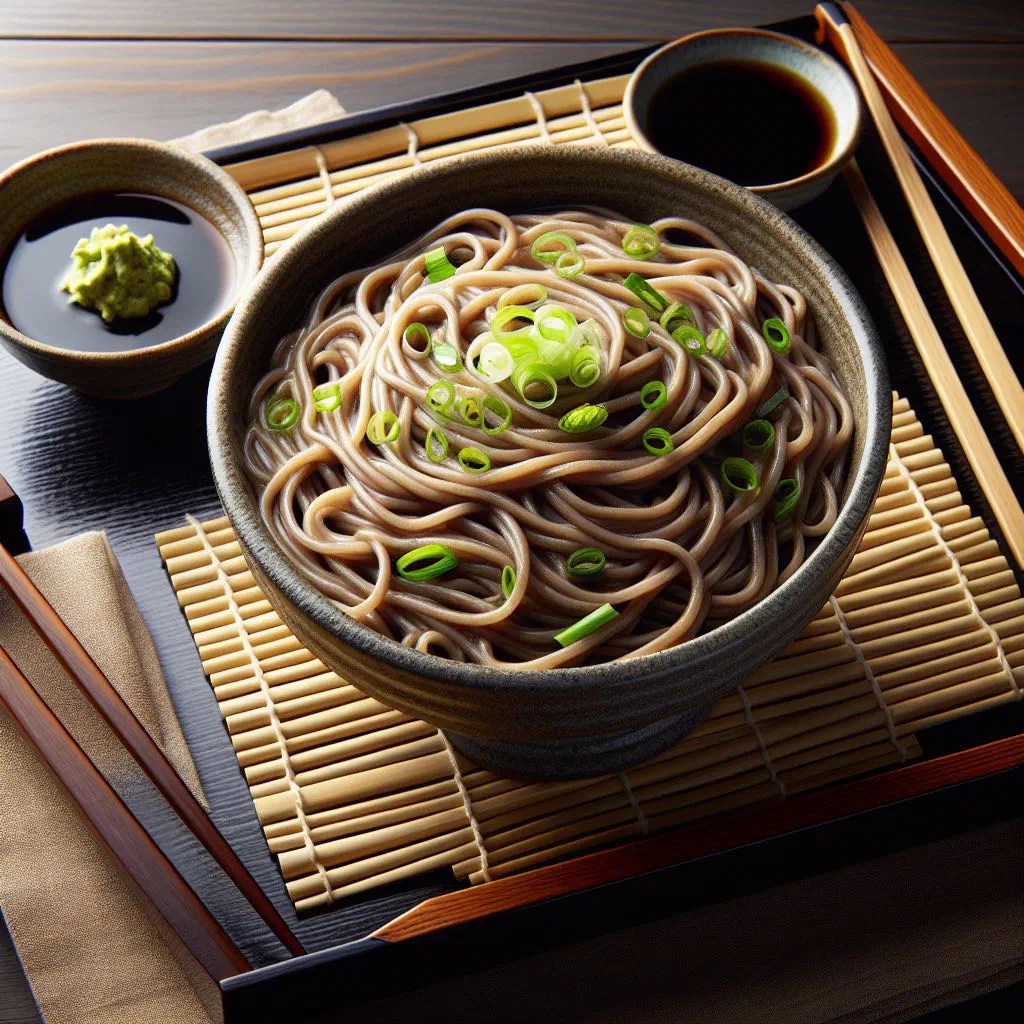
Cool, refreshing and wonderfully simple, Zaru Soba is the dish the Japanese reach for when summer heat takes the edge off the appetite. Slippery buckwheat noodles are boiled, plunged into icy water and served on a bamboo tray, ready to be dipped into a savoury, chilled sauce. Fragrant spring onions and a dab of fiery wasabi round it off. It is light, restorative food that comes together in minutes, yet feels every bit as considered as a more elaborate meal.
About Zaru Soba
Zaru Soba is a traditional Japanese dish that comes into its own during the warmer months. It is built around cold buckwheat noodles, served on a slatted bamboo tray and accompanied by a separate dipping sauce. The interplay of bracing, cool flavours and the satisfying bite of the noodles makes it the ideal choice for a hot day. Beyond its clean, moreish taste, Zaru Soba also brings real health benefits, as buckwheat is rich in protein and nutrients.
Ingredients (serves 1–2)
- 200 g soba noodles
- 250 ml dashi stock (or water)
- 2 tablespoons soy sauce
- 1 tablespoon mirin (Japanese rice wine)
- Fresh chives, to garnish
- Ice cubes, for chilling
Shopping for the ingredients
When shopping for Zaru Soba, it is worth paying attention to the quality of what you buy. Look for good soba noodles, which are widely available in Asian grocery shops and many larger supermarkets. If anyone at the table has a gluten intolerance, make sure the ingredients for your dashi stock are gluten-free. Otherwise, choosing soy sauce and mirin from an authentic Japanese brand will give you the best possible flavour.
Preparing the dish
Preparing Zaru Soba is quick and straightforward. First, cook the soba noodles according to the packet instructions, then rinse them thoroughly under cold running water. This cools the noodles down and washes away excess starch, so they no longer stick together. Next, make the dashi-based dipping sauce by combining the stock with the soy sauce and mirin.
Step-by-step instructions
- Bring a large pan of water to the boil and cook the soba noodles for about 5–7 minutes.
- Drain the noodles in a sieve and rinse under cold water until completely cool.
- Mix the dashi, soy sauce and mirin together in a bowl to make the dipping sauce.
- Arrange the chilled noodles on a zaru (bamboo tray) or a plate.
- Garnish with chives and serve, with the dipping sauce alongside.
Gluten-free / lactose-free version
If you would like to make Zaru Soba gluten-free, use gluten-free soba noodles made from pure buckwheat flour with no added wheat. When choosing your soy sauce, pick a certified gluten-free variety so the flavour balance stays spot on. The dish is naturally lactose-free, so there is little to change, though you can leave off any optional garnish or swap in a dairy-free alternative. Either way the meal stays light and refreshing.
Tips for vegans and vegetarians
Zaru Soba is a great dish to adapt for plant-based diets. Instead of a fish-based dashi, use a vegetable stock to keep that savoury, umami depth. Alternatively, sweeten the soy sauce and mirin with a small pinch of sugar to achieve a similar effect. With these tweaks, vegans and vegetarians can enjoy the dish to the full, much as you might with a soothing bowl of Ohitashi.
More tips and tricks
A key tip when making Zaru Soba is to rinse the noodles in plenty of cold water, which guarantees their perfect, springy texture. You can also lift the dipping sauce with a touch of wasabi or some grated ginger just before serving. Experiment with the cooking time, too, to dial in exactly the bite you prefer. Everyone has their own taste, so do not be afraid to get a little creative.
Adapting the recipe to your taste
Depending on your preferences, you can adapt Zaru Soba by adding different vegetables or proteins. Steamed edamame or fine ribbons of carrot make wonderful additions. The dipping sauce is just as flexible, stir in a little chilli sauce for a spicier version. Ultimately the dish can be varied however you like, leaving plenty of room for creativity and culinary experimentation.
Ingredient substitutions
If you cannot find soba noodles, rice noodles or udon make a good stand-in. They bring a different character to the bowl but pair beautifully with a well-made dipping sauce, the same comforting noodle satisfaction you find in a bowl of Ankake Udon. For the dashi, you can also use a ready-made instant blend from the supermarket to save time. Do not miss the chance to play with different intensities of that all-important umami flavour.
Drink pairing ideas
A range of drinks goes nicely with a plate of Zaru Soba. A light, dry Japanese beer or a fresh sake both make excellent companions. For alcohol-free options, green tea or a matcha lemonade complements the flavours of the dish wonderfully. These pairings create a harmonious match and elevate the whole eating experience.
Serving and presentation ideas
Serving Zaru Soba attractively is key to its overall appeal. Present the noodles on a traditional zaru with fresh herbs scattered on top. Setting an appealing little bowl of dashi sauce beside the noodles adds visual interest. And do not forget a small sprinkle of sesame or finely shredded nori for extra colour and texture, touches that work just as well on a delicate Dashi-Maki Tamago.
A bit of history
Zaru Soba has a long history within Japanese cuisine. Soba noodle-making is thought to date back to the 17th century. These widely loved noodles are known not only across Japan but throughout other parts of Asia, where they appear in many different forms. The combination of quick cooking methods and high-quality ingredients has made soba a favourite dish for people of all ages and a cornerstone of Japanese cuisine.
More recipe ideas
Summary: Zaru Soba
In short, Zaru Soba is a refreshing and healthy option for any season. With its quick preparation and the freedom to choose the ingredients to suit your taste, it works for almost everyone. The pairing of buckwheat noodles with an aromatic dipping sauce is a pleasure that appeals to the palate. Experiment with variations and enjoy this classic Japanese dish in the comfort of your own home.