National Dish Japan: Zōni (Recipe)
In this article
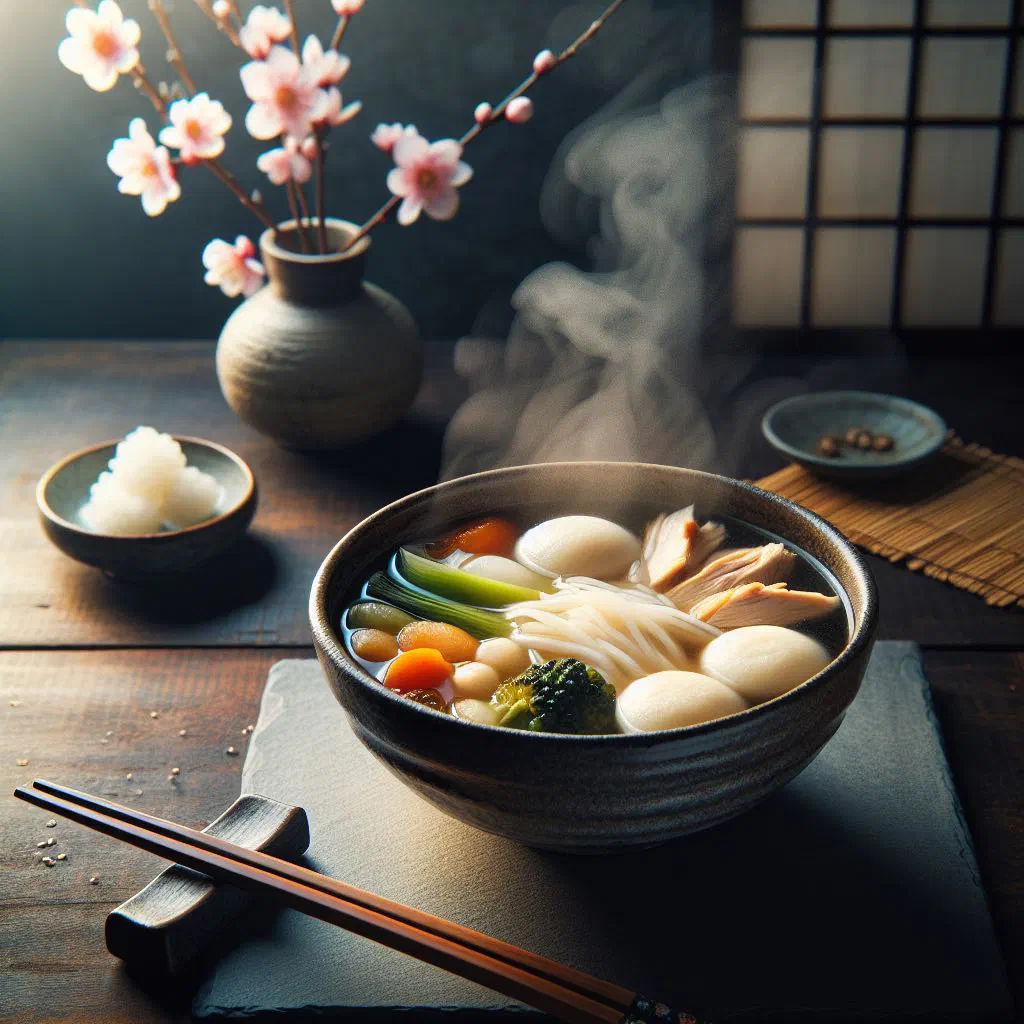
Welcome in the New Year the Japanese way with Zōni, the warming festive soup that families across Japan gather around every January. Soft, chewy mochi rice cakes float in a fragrant dashi broth alongside fresh vegetables, gentle slices of chicken or tofu, and earthy shiitake. More than a meal, it is a bowlful of good fortune and prosperity, and one of the most comforting ways to bring a little Japanese tradition into your own kitchen.
About Zōni
Zōni is a traditional Japanese dish served most often at the New Year celebrations. This hearty soup is a cherished part of the Japanese festivities and is said to symbolise good luck and prosperity for the year ahead. Its star ingredient, mochi, is a chewy rice cake that lends the dish its distinctive texture and gentle, satisfying flavour. The recipe and its garnishes shift from region to region across Japan, which makes zōni a wonderfully varied and adaptable dish that no two households prepare in quite the same way.
Ingredients (serves 1–2)
- 400 ml dashi broth
- 2–3 pieces of mochi
- 1 carrot, sliced
- 100 g chicken breast or tofu
- 2–3 shiitake mushrooms
- A few leaves of mizuna or spinach
- Soy sauce, to taste
- A splash of mirin (optional, for sweetness)
Shopping for the ingredients
When shopping for zōni, it is worth choosing fresh, good-quality ingredients to get the best result. The dashi broth is fundamental to the flavour and can either be made from scratch or bought ready-made from an Asian grocery. Mochi is the other key element and comes in several forms, so pick whichever suits you. If you would like to keep the dish vegan or vegetarian, simply choose tofu and extra vegetables in place of the meat.
Preparing the dish
Before you start cooking zōni, it helps to get all of your ingredients ready. Wash the vegetables thoroughly and cut them into neat, manageable pieces. The mochi can be lightly toasted beforehand to bring out a deeper, slightly nutty flavour. If you are using chicken, cut it into small, even pieces so that it cooks through uniformly in the broth.
Step-by-step instructions
- Bring the dashi broth to the boil in a saucepan.
- Add the sliced vegetables along with the chicken or tofu.
- Let the soup simmer for about 10 minutes, until everything is cooked through.
- Add the mochi and continue to simmer until it turns soft and tender.
- Season with soy sauce and mirin to taste, then serve piping hot.
Gluten-free / lactose-free version
Zōni is easy to make gluten-free: simply swap the soy sauce for gluten-free tamari. Mochi made from rice flour is naturally gluten-free, so the dish is safe in that respect. It is also naturally lactose-free, as the broth and the main ingredients contain no dairy at all. Just take care when buying ready-made products to check that no hidden gluten-containing ingredients have crept in.
Tips for vegans and vegetarians
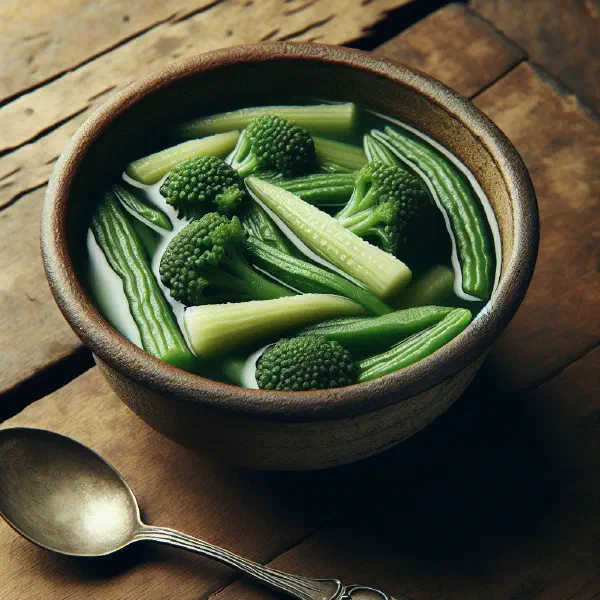
Making zōni vegan is straightforward, replace the chicken with firm tofu and add extra vegetables such as courgette or broccoli for variety. Rather than buying ready-made dashi, use a vegetable-based broth that supports the same savoury depth, and switch the soy sauce for a plant-based alternative if needed. Many vegans and vegetarians appreciate just how generous and varied a plant-based bowl of zōni can be.
More tips and tricks
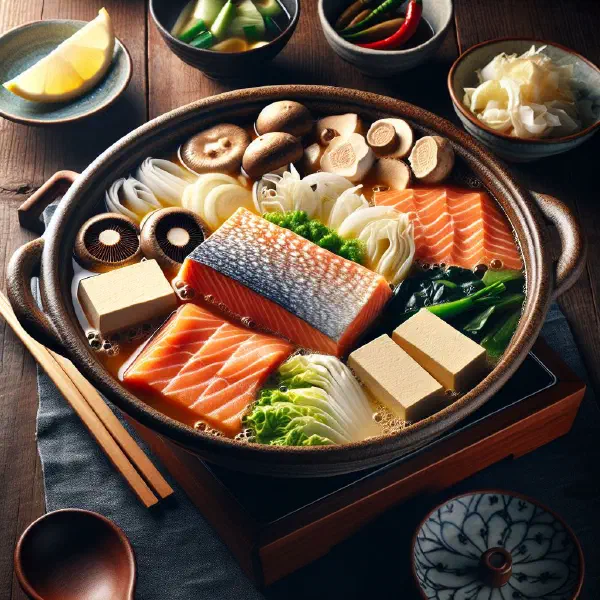
To make zōni even more flavourful, try adding aromatics such as ginger or garlic to the broth. Toasting the mochi before it goes into the soup gives a lovely contrast of textures and a subtle, roasted note. Experiment with different vegetables to put your own stamp on the dish, much as you would when building a hearty bowl of Yosenabe. It is also a great chance to play with seasonal, local produce and see which combinations sing.
Adapting the recipe to your taste
Zōni leaves plenty of room for creative tweaks. Depending on what you fancy, the broth can be lightened, deepened or layered with different aromas. Prefer a bit of heat? Add a little chilli. If you like things milder, lean into the gentle umami of the dashi and the vegetables instead. That versatility is one of the great joys of this dish, and the same spirit carries over to a comforting bowl of Oden.
Ingredient substitutions
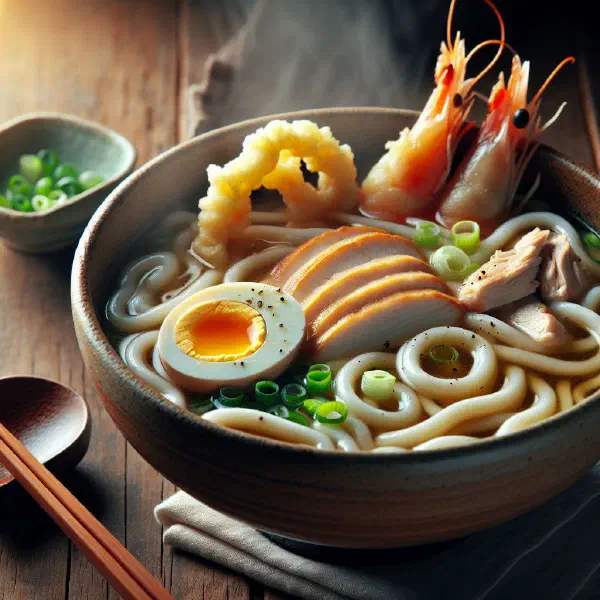
Depending on what you can find, several ingredients in zōni swap out easily. Shiitake mushrooms, for instance, can be replaced with ordinary chestnut mushrooms, which most kitchens already keep to hand. The choice of vegetables can vary too, so make the most of whatever the season offers. The seasonings and the style of broth are equally flexible, letting you steer the flavour exactly where you want it, a knack that also pays off with a bowl of Ankake Udon.
Drink pairing ideas
A range of drinks suits zōni and complements its savoury character. A traditional Japanese green tea is an excellent choice, lifting the flavours and rounding off the experience. Lighter styles of sake also pair beautifully if you fancy something with a little more occasion. For an alcohol-free option, try umeshu, a sweet plum wine that goes wonderfully with Japanese food.
Serving and presentation ideas
Presentation can make a real difference with zōni. Serve it in attractive ceramic bowls to show off the colours of the vegetables and the mochi. Garnish the soup with fresh herbs such as chives or a scattering of greens to add aromatic accents. Treat your guests by arranging each bowl with care, lifting the overall look of this elegant New Year soup.
A bit of history
Zōni has a long history in Japanese culture and has been celebrated during the New Year festivities for centuries. The soup is thought to trace its roots back to samurai times, where it represented the coming together of family and friends. Different regions of Japan have developed their own versions and recipes, shaped by local ingredients. That diversity reflects the regional traditions and the deeply rooted art of cooking that runs through all of Japanese cuisine.
More recipe ideas
Summary: Zōni
Zōni is far more than just a soup; it is a centrepiece of the Japanese New Year, a bowl that symbolises good luck and prosperity. The preparation is both simple and inspiring, inviting everyone to create their own version. Savour a taste of Japanese tradition with every spoonful of zōni.