National Dish Kazakhstan: Beef Besbarmak (Recipe)
In this article
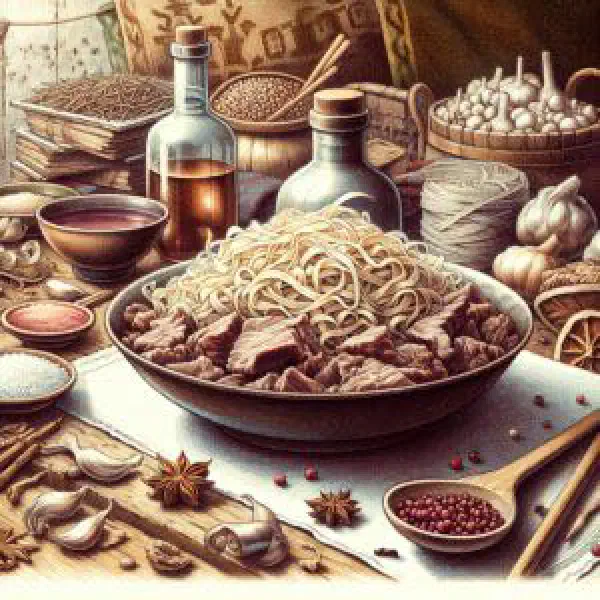
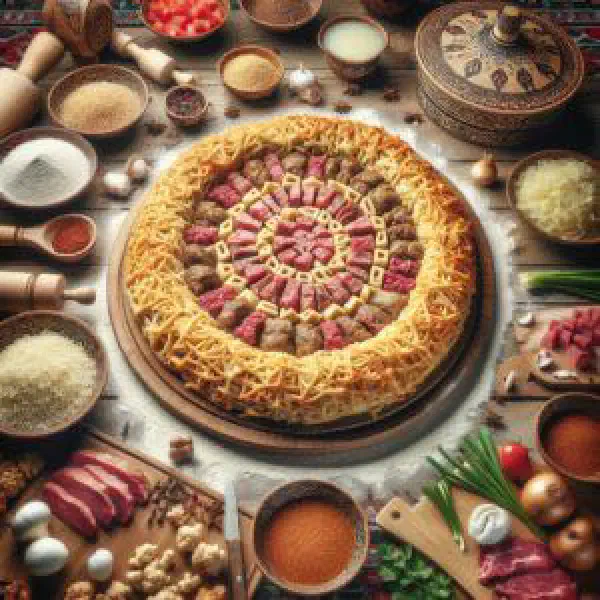
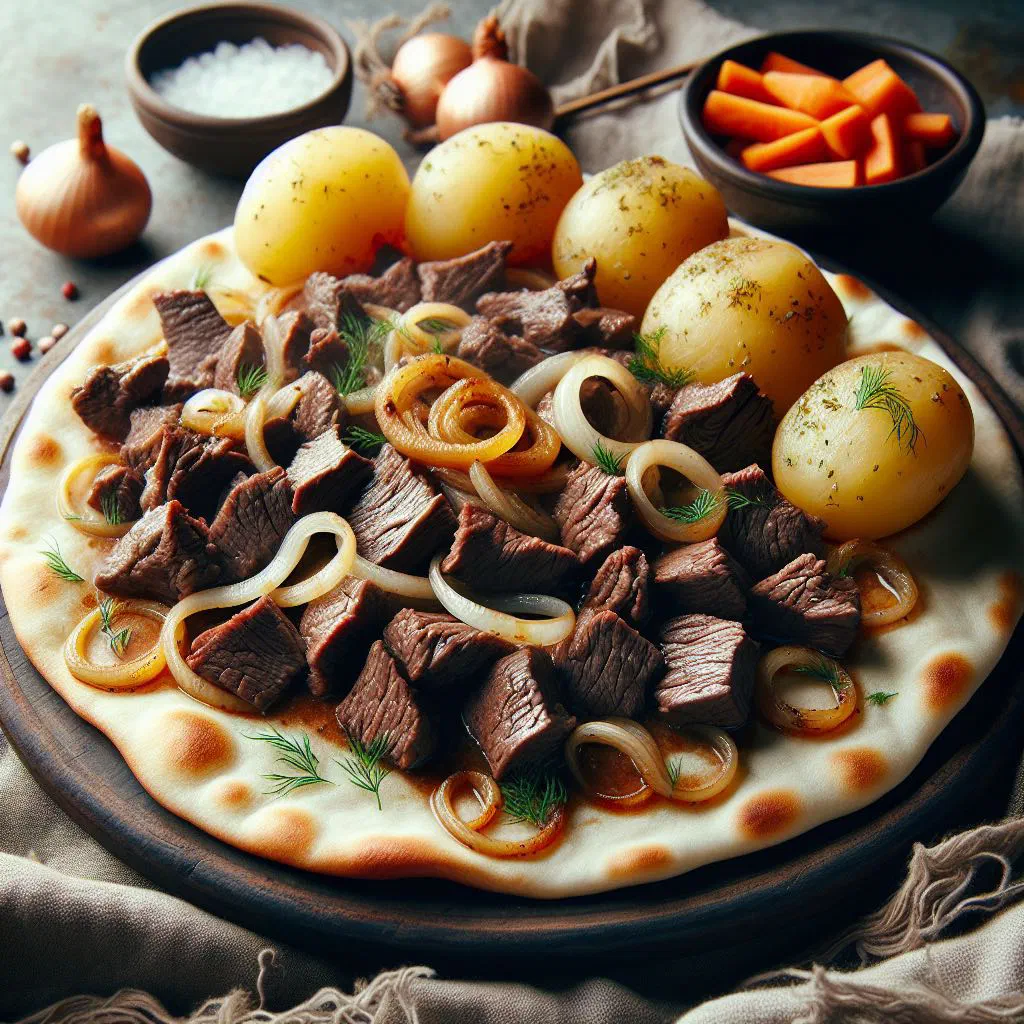
Meet Besbarmak, the proud national dish of Kazakhstan and the ultimate expression of nomadic hospitality. Tender beef, silky homemade noodles and a fragrant, savoury broth come together in one generous platter meant to be shared. Its name means “five fingers”, a nod to the age-old custom of eating it by hand, and every serving turns a simple meal into a warm, communal occasion around the table.
About Beef Besbarmak
Besbarmak is a traditional Kazakh dish celebrated for its hearty combination of tender beef, homemade noodles and an aromatic broth. The name means “five fingers”, reflecting the way it is traditionally eaten, with the hands. It is most often enjoyed in convivial gatherings and is an important symbol of Kazakh hospitality. Preparing besbarmak is not only a culinary craft but a social event in its own right, one that brings people together.
Ingredients (serves 1–2)
- 300 g beef (such as braising steak)
- 200 g wheat flour
- 1 egg
- 1 onion
- Salt and pepper, to taste
- Water, for the broth
Shopping for the ingredients
To make besbarmak, it is worth choosing fresh, good-quality ingredients. Pay particular attention to the beef, which forms the very foundation of this dish. Fresh flour and a good egg ensure the noodles reach just the right consistency. Visit a local market or a good butcher to track down the best produce, and to soak up a little of the warmth of Kazakh food culture along the way.
Preparing the dish
Before you start cooking, it is important to prepare all the ingredients well. Finely chop the onion and set it aside ready to use. The beef should be cut into even pieces so it cooks through uniformly. Sift the flour for the noodles to avoid any lumps, which gives the finished noodles a smoother, more supple texture.
Step-by-step instructions
- Bring the beef to the boil in a large pot of water and let it simmer until tender.
- Lift the meat out of the broth and cut it into small pieces.
- Strain the broth through a sieve and add the onions.
- For the noodles, knead the flour with the egg and water into a dough and roll it out thinly.
- Cut the rolled-out dough into squares and cook them in the broth.
- Arrange the noodles together with the beef and pour the broth over the top.
Gluten-free / lactose-free version
To make besbarmak gluten-free, the wheat flour can be replaced with a gluten-free flour. Choose a blend suited to dough-making to achieve similar results. For a lactose-free version, simply use lactose-free milk or broth in the preparation.
Tips for vegans and vegetarians
Vegans and vegetarians can adapt the recipe by swapping the beef for plant-based proteins such as tofu or seitan. Use a vegetable stock in place of meat broth to build up the flavour. A good mix of vegetables, carrots, peppers and courgettes, for example, makes for a hearty, nourishing version. These tweaks let you enjoy the tradition of besbarmak in a fresh and inclusive way.
More tips and tricks
For an especially flavourful result, don’t just boil the noodles, let them steep gently in the broth so they soak up its taste. Add fresh herbs such as parsley or coriander to lend the dish a special note. Take care to balance the broth well with seasonings so the aromas really come through. Every cook has their own secrets, so don’t be afraid to experiment with spices and ingredients.
Adapting the recipe to your taste
Besbarmak is a flexible dish that is easy to tailor to personal preference. Depending on whether you like it spicier or milder, you can add chilli flakes or other seasonings. The type of meat can vary too. Try lamb or chicken for a different flavour experience. Much like a warming bowl of Shorpa, it invites you to be creative and shape the dish to your own taste.
Ingredient substitutions
If some ingredients are hard to find, they can be swapped without any fuss. The beef can be replaced with chicken or even fish, while the noodle flour can also be made with rice flour to create a gluten-free option. Seasonal vegetables can be added too, boosting the nutritional value and adding variety. This kind of flexibility makes the dish easy to adapt, the same forgiving approach that suits a plate of Naryn.
Drink pairing ideas
To accompany besbarmak, traditional Kazakh drinks such as Kumys, a fermented mare’s-milk drink, work beautifully. Alternatively, a robust red wine pairs well with the dish’s savoury character. For alcohol-free options, flavourful herbal teas or sparkling lemonades are ideal. The choice of drink can enrich the whole eating experience considerably.
Serving and presentation ideas
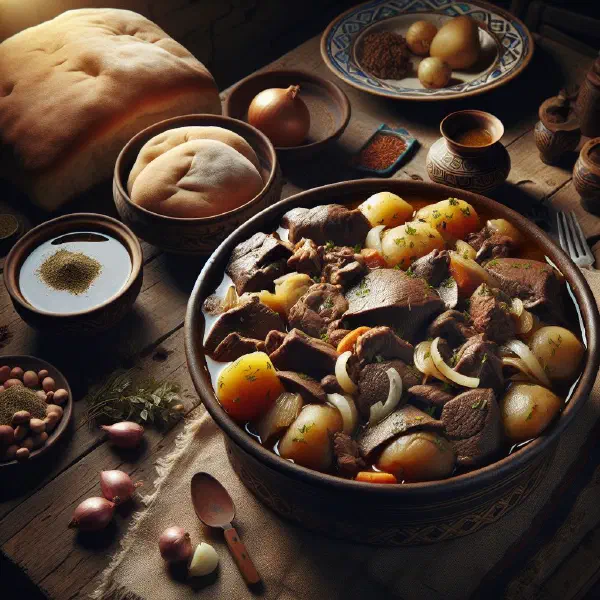
The way besbarmak is presented can shape the meal enormously. Serve it on a large platter in the middle of the table so everyone can help themselves. Decorate with fresh herbs and slices of orange to create an inviting look. Use rustic table linen and dishware to preserve the traditional flair of Kazakhstan.
A bit of history
Besbarmak has a long history in Kazakhstan and is part of the country’s cultural identity. It is often served at important occasions such as weddings and festivals and symbolises the coming together of people. The traditions surrounding the eating of besbarmak are deeply rooted, fostering community and togetherness. This dish is therefore satisfying and an expression of warmth and belonging, a defining feature of Kazakh cuisine.
More recipe ideas
Summary: Beef Besbarmak
In short, besbarmak is a hearty and welcoming dish from Kazakhstan that unites tradition, pleasure and good company. With its combination of tender beef, homemade noodles and a savoury broth, it is the very essence of Kazakh hospitality. Besbarmak is always a flavourful and meaningful choice for bringing family and friends together. Let this heartfelt dish tempt you, and savour every delicious moment.