National Dish Kazakhstan: Manti (Recipe)
In this article
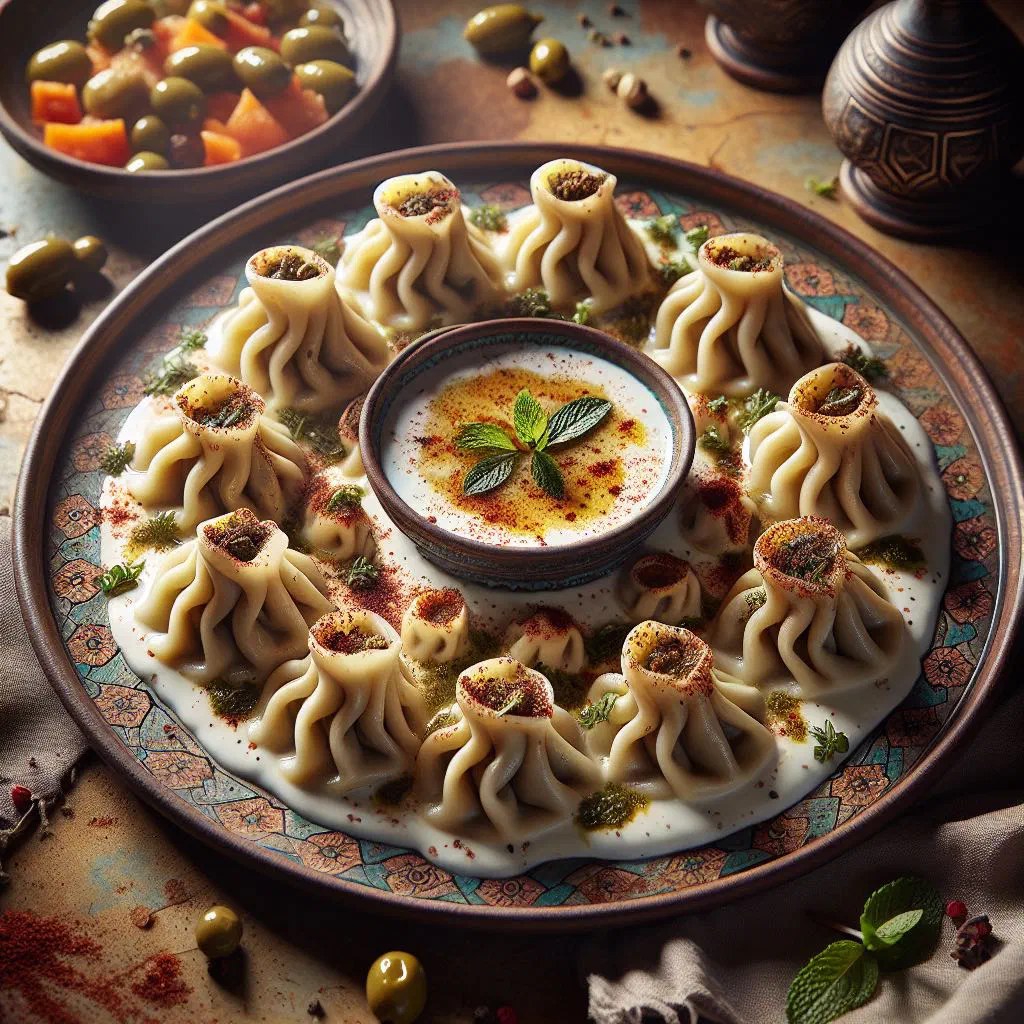
Discover Manti, the beloved national dish of Kazakhstan. These tender steamed dumplings are filled with a fragrant blend of minced meat and onions, then gently cooked over steam until wonderfully juicy. Deeply rooted in the nomadic heritage of the Central Asian steppe, manti are a dish made for sharing, turning any family gathering into a warm celebration. Bring a taste of Kazakh hospitality straight to your own kitchen.
About Manti
Manti are one of the most treasured culinary specialities of Kazakhstan and a wonderful expression of the country’s rich culinary tradition. These delicious dumplings are filled with an aromatic mixture of meat and onions, and their long history is closely bound up with the nomadic way of life of the Kazakh people. Because they are cooked over steam, manti turn out especially juicy and soft, which is exactly why they remain such a favourite in so many households. Whether at family celebrations or convivial gatherings, manti are a genuine treat and reflect the hospitality at the heart of Kazakh culture.
Ingredients (serves 1–2)
- 250 g plain flour
- 150 ml water
- 1 tsp salt
- 200 g minced meat (beef or lamb)
- 1 onion
- 2 tbsp oil
- Pepper and spices, to taste
Shopping for the ingredients
To make manti you will need fresh ingredients, most of which are easy to find in any supermarket or at a local market. The meat is especially important for the flavour of the dish, so it is well worth choosing good-quality minced meat. When buying flour, look for a variety with a high gluten content to give you an elastic, workable dough. Fresh onions matter too, as they are key to both the filling and the overall aroma.
Preparing the dish
Before you start making the manti, it is important to get all the ingredients ready. Put the minced meat in a bowl and mix it thoroughly with finely chopped onions, a little oil and your chosen spices. The dough is made by combining flour, water and salt, and it should be kneaded well to achieve a smooth consistency. Once kneaded, let the dough rest for a few minutes to make it easier to work with later.
Step-by-step instructions
- Knead the dough of flour, water and salt thoroughly, then leave it to rest.
- Meanwhile, mix together the filling of minced meat, onions and spices.
- Roll the dough out thinly on a floured surface and cut it into small squares.
- Place a spoonful of filling on each square and seal the edges firmly.
- Arrange the manti in a steamer and steam for about 30 minutes.
Gluten-free / lactose-free version
To make manti gluten-free, swap the wheat flour for a blend of gluten-free flours. A lactose-free version is just as straightforward. Simply use lactose-free minced meat and plant-based oils. Whichever way you prepare them, the delicious flavour of the manti stays intact. Some recipes also suggest making any dips or sauces on a lactose-free base.
Tips for vegans and vegetarians
For a vegan version of manti, replace the meat filling with diced vegetables, tofu or lentils. Be sure to use plenty of spices and herbs for flavour, and you can add a splash of vegetable stock for extra depth. This simple adaptation means that vegans and vegetarians can enjoy this traditional dish too, without missing out on any of its comforting appeal.
More tips and tricks
To make your manti even more aromatic, fresh herbs such as parsley or dill are an excellent addition to the filling. Experiment with different spices like cumin or paprika to give the dish your own personal touch. Let the manti rest for a moment after steaming so they hold their shape better. You can also pan-fry them in a little oil afterwards to create a crisp, golden surface, a technique you will also find in Chebureki.
Adapting the recipe to your taste
The filling for manti can be varied in countless ways to suit the tastes of everyone at the table. You can use different kinds of meat, including chicken or even fish, for a slightly different flavour. For milder aromas, adjust the vegetables accordingly so that everyone finds a version they enjoy. Remember that the size of the manti is flexible too; smaller portions make perfect appetisers, much like the bite-sized Pirozhki.
Ingredient substitutions
If you have trouble finding certain ingredients, there are always alternatives. Instead of fresh onions you could use onion powder, though the flavour will differ slightly. When it comes to flour, buckwheat flour can lend a pleasant nutty note. For a more intense flavour, the meat can be replaced with fried vegetables or even mushrooms.
Drink pairing ideas
Manti pair beautifully with traditional Kazakh drinks such as Kumys, a fermented drink made from mare’s milk that offers a refreshing counterpoint to the savoury dumplings. Herbal teas or lightly sparkling lemonades are another good choice for underlining the flavour of the meal. For a non-alcoholic option, fruity cocktails or mocktails made with citrus fruits are perfect. All of these drinks round off the aromas of the dish wonderfully.
Serving and presentation ideas
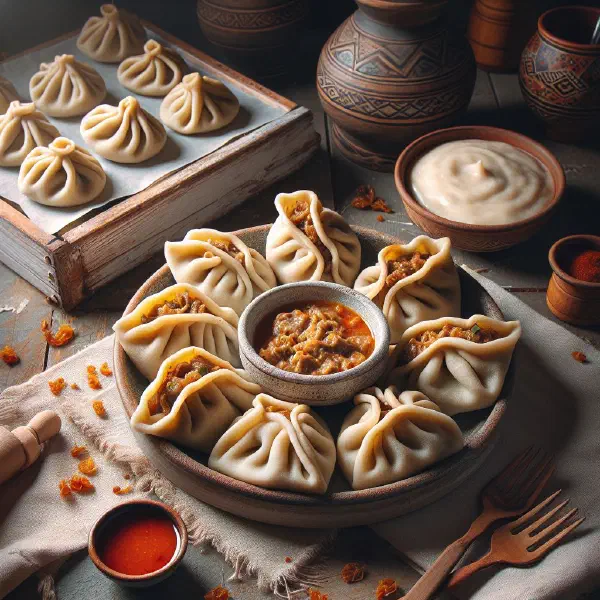
When it comes to serving manti, the look of the dish matters just as much as the taste. Serve them on a rustic wooden board or in a traditional Kazakh bowl to make the experience feel authentic. Fresh herbs or a typical dipping sauce add welcome splashes of colour. Be sure to offer a few sides such as salads or yoghurt to create a complete and inviting meal.
A bit of history
Manti have their origins in the nomadic culture of the peoples of Central Asia and were traditionally passed down from one generation to the next. Their history is full of stories about community and sharing. These dumplings were often prepared for festivities and special occasions, a way of showing the hospitality of Kazakh families. Thanks to the cultural mingling of the region, many variations of manti have developed over time, while the core idea of sharing and celebrating together, the same spirit found across Kazakh cuisine, endures.
More recipe ideas
Summary: Manti
Manti are far more than a simple dish; they embody the traditional Kazakh cuisine and a whole culture of hospitality. They bring conviviality and joy to the table. Let their unique flavour win you over and discover the rich tradition captured in every single bite.