National Dish Kenya: Biriani ya Kuku (Recipe)
In this article
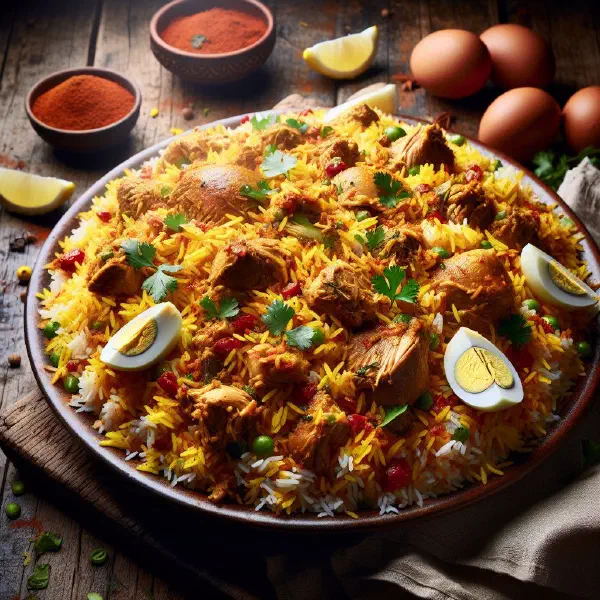
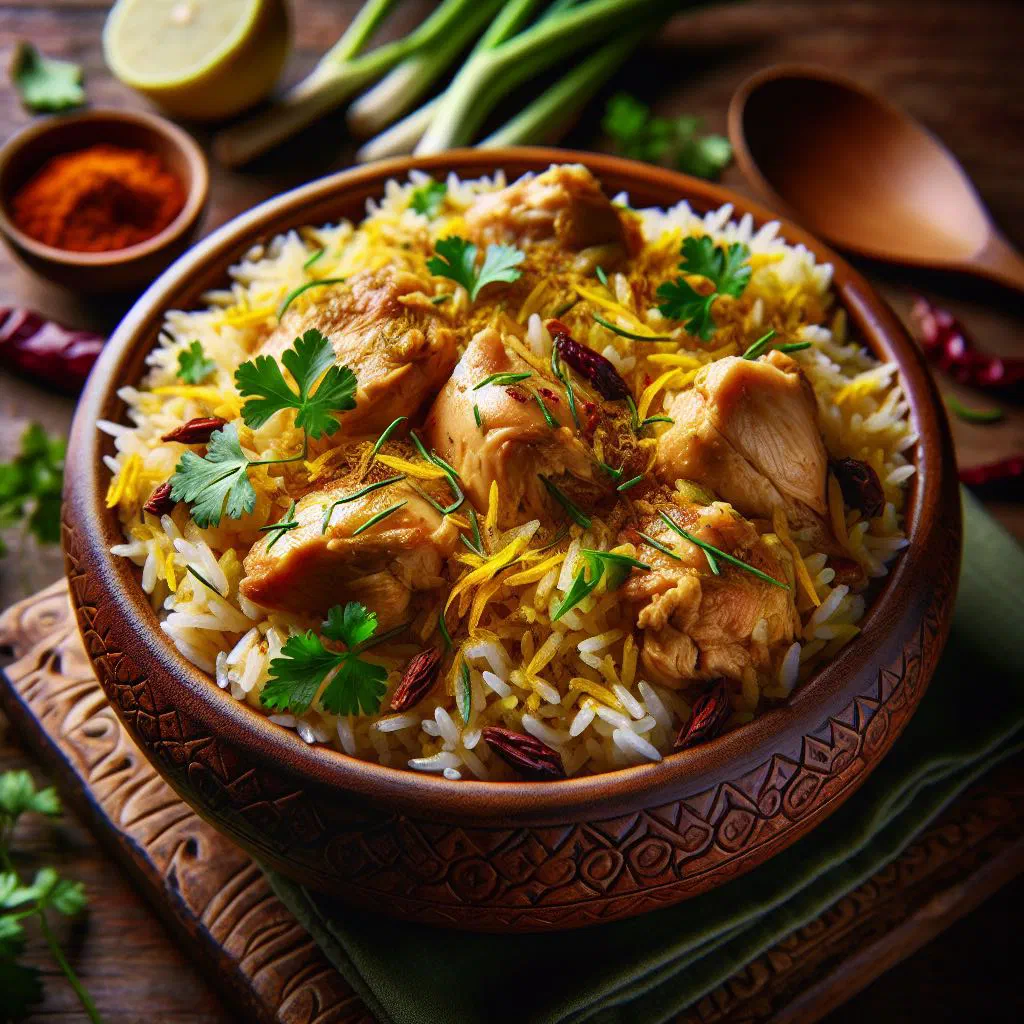
Few dishes tell Kenya’s story as vividly as Biriani ya Kuku. Layered with tender chicken, fragrant basmati rice and a warm cascade of spices, it carries the fingerprints of Arab traders, Indian settlers and Swahili coastal cooks all at once. It is a dish for celebrations and Sunday tables alike, generous, aromatic and impossible to rush. Cook it once and the scent alone will tell you why Kenyans reserve it for the occasions that matter.
About Biriani ya Kuku
Biriani ya Kuku is not merely a meal; it is a genuine cultural experience. It mirrors the many influences that shaped Kenyan cooking, from Arab and Indian migration to the trading life of the Swahili coast. That meeting of traditions produces an exquisite, deeply aromatic result that appeals to the palate and the senses in equal measure. The dish is especially prized for its tender chicken, set in a sea of spices and perfumed basmati rice, and it sits comfortably alongside relatives such as Pilau and Swahili Biryani.
Ingredients (serves 1–2)
- 200 g basmati rice
- 300 g chicken breast, diced
- 1 onion, finely chopped
- 2 garlic cloves, crushed
- 1 teaspoon fresh ginger, grated
- 2 tomatoes, chopped
- 1–2 green chillies, to taste
- 2–3 tablespoons vegetable oil
- Salt and pepper to taste
- A spice blend of cumin, coriander and cloves
- Fresh coriander, to garnish
Shopping for the ingredients
For biriani ya kuku, the quality of the ingredients makes all the difference. A trip to a market or a well-stocked Asian grocery is worth the effort: there you will find the characteristic spices and fresh vegetables and good, tender chicken. Look out for organic produce wherever possible to draw the very best flavour out of the finished dish.
Preparing the dish
Before you start cooking, thorough preparation is essential. Wash and cut the vegetables and chop the chicken into even pieces. Ideally, marinate the chicken with the spices a few hours ahead so the flavours have time to penetrate the meat. A well-organised kitchen makes the whole process simpler and turns cooking into a pleasure rather than a scramble.
Step-by-step instructions
- Heat the oil in a large pan and fry the onions until golden brown.
- Add the garlic, ginger and green chillies and fry briefly until fragrant.
- Stir in the chopped tomatoes and the marinated chicken, and fry until browned on all sides.
- Add the spices and a splash of water, then let everything simmer until the chicken is cooked through.
- Cook the basmati rice separately, then fold it through the chicken mixture.
- Serve garnished with fresh coriander.
Gluten-free / lactose-free version
Biriani ya Kuku is naturally gluten-free and lactose-free, since it is built almost entirely from rice and chicken. That makes it a safe pleasure for anyone living with intolerances. Simply check that no gluten-containing additives sneak in via stock cubes or pre-mixed seasonings, and choose spices of pure quality so the dish stays as wholesome as it is flavourful.
Tips for vegans and vegetarians
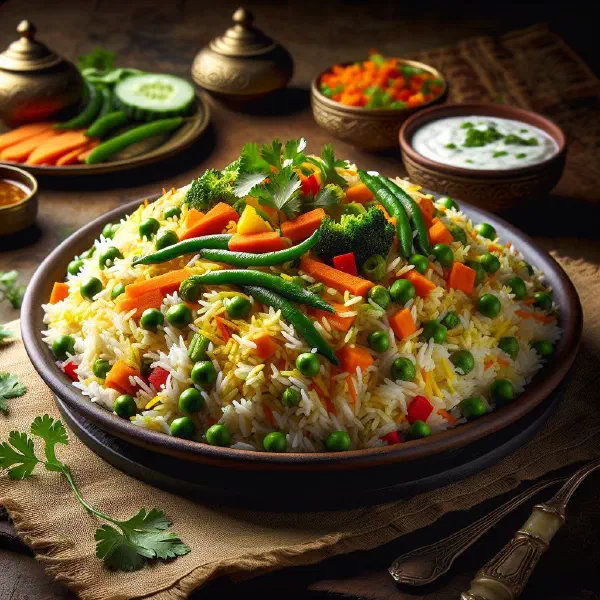
For vegan and vegetarian cooks, biriani adapts with very little fuss. Replace the chicken with tender vegetables such as cauliflower, carrots and peas, which give a similar texture and a delicious aromatic base. Tofu or chickpeas make an excellent source of protein without losing the character of the dish, much the same approach that carries Biriani ya Mboga.
More tips and tricks
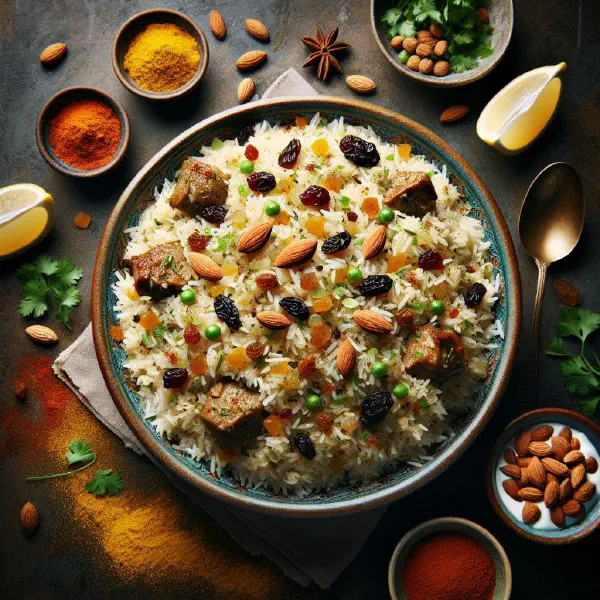
A few insider tricks will make your biriani even better. Experiment with the spice blend until you find the aroma that suits you, and consider adding dried fruit such as raisins or apricots for an intriguing hint of sweetness. Above all, remember that patience matters here: the flavours develop and deepen the longer the pot is allowed to work.
Adapting the recipe to your taste
The beauty of biriani ya kuku lies in its versatility, which lets you shape the recipe around your own preferences. Add different vegetables, or experiment with unusual spices such as saffron for a luxurious aroma. You can also shift the ratio of rice to chicken depending on whether you want more grain or more protein.
Ingredient substitutions
If certain ingredients prove hard to find, there is always an alternative. Basmati rice can be swapped for jasmine rice if its particular perfume is not essential to you, and the spices can shift according to what is available on the shelf. Experiment with what you have to hand, the same spirit of improvisation that gives dishes like Kuku Paka their many regional versions.
Drink pairing ideas
A number of drinks partner beautifully with biriani. A refreshing lassi is the traditional choice, balancing the heat of the spices. A well-chilled wheat beer or a light red wine can also sit harmoniously alongside the food. For an alcohol-free option, try home-made ginger tea, close cousin to Kenya’s own Chai ya Tangawizi, or a fruity cocktail that echoes the flavours on the plate.
Serving and presentation ideas
Presentation can lift the whole biriani ya kuku experience. Serve it in a large bowl and garnish with fresh coriander and a scattering of toasted nuts. You might also arrange it on a wide platter with side dishes such as raita, flatbread or a bright Kachumbari to create an authentic spread. Remember that colour matters at the table too. It does as much to stir the appetite as aroma does.
A bit of history
Biriani has a fascinating history, rooted deep in Kenya’s cultural traditions. Shaped by both Indian and Arab cooking, it travelled along the Indian Ocean trade routes and became, over the years, a favourite of countless Kenyans. It is most often prepared for special occasions and celebrations, which underlines its standing within the wider world of Kenyan cuisine. The dish is not simply food; it is regarded as a symbol of hospitality and belonging.
More recipe ideas
Summary: Biriani ya Kuku
In short, biriani ya kuku is a fine example of Kenya’s rich culinary diversity. With tender chicken, aromatic spices and fragrant rice, it becomes a feast for any occasion. The scope for adaptation and creativity is endless, and the joy of cooking it shows in every mouthful. Let this dish inspire you and carry your guests away into the bright world of African cooking.