National Dish Kenya: Chai (Recipe)

In this article
Discover Chai, the spiced milk tea that keeps Kenya turning. Far more than a hot drink, it is the country’s everyday gesture of welcome, poured for guests, shared between neighbours and sipped at every hour of the day. Black tea from the highlands is simmered with cardamom, ginger and cinnamon, then softened with milk until warm, fragrant and gently sweet. Bring a little of Kenya’s celebrated tea culture into your own kitchen.
About Chai
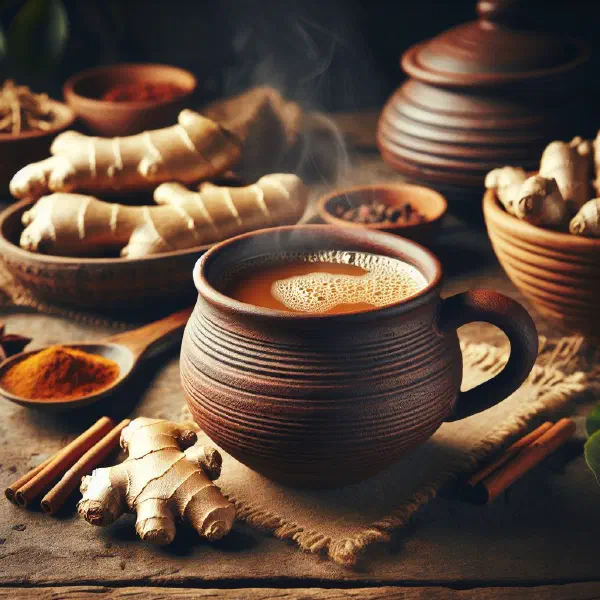
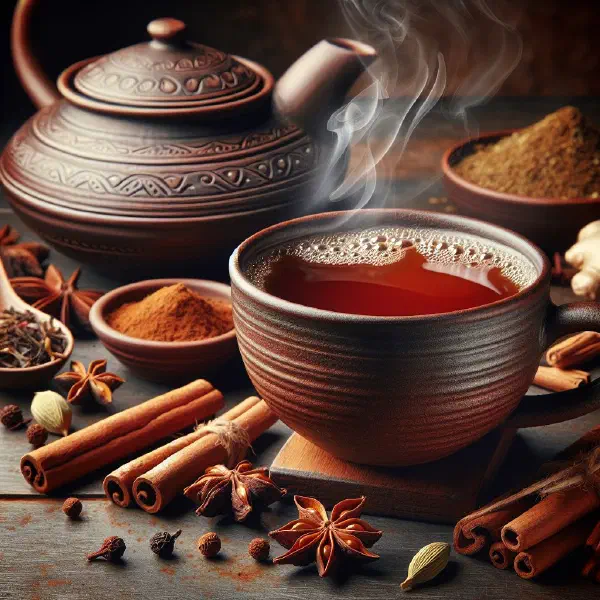
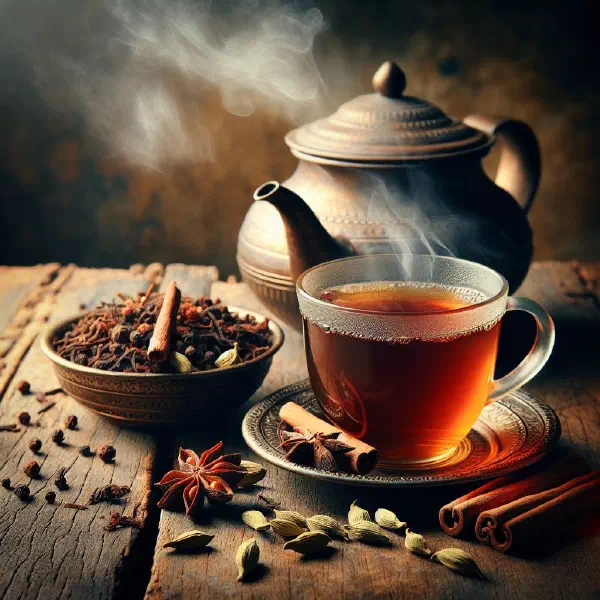
Chai is far more than a drink; it is a symbolic part of Kenyan culture and of everyday social life. Whether shared among friends or offered as a welcome to visitors, a cup of chai is simply a must. This aromatic brew surprises with its layered flavour and the perfect balance between sweet and spicy notes. Making chai can become a small ritual in itself, one that warms not only the body but the soul as well.
Ingredients (serves 1–2)
- 2 cups water
- 2 teabags of black tea
- 1 cup fresh milk (or a plant-based alternative)
- 1–2 teaspoons sugar, to taste
- 1 cinnamon stick
- 1 piece of ginger (about 2 cm, peeled and crushed)
- 2–3 cardamom pods, lightly crushed
Shopping for the ingredients
Most ingredients for chai are easy to find in an ordinary supermarket or a good tea shop. Choose a high-quality black tea so you get the full depth of flavour, Kenyan varieties are widely available and ideal here. Buy the spices whole or as fresh as possible, since they release their aromatic potential far better that way. If you have particular dietary needs, such as a vegan diet or lactose intolerance, there are excellent substitutes for the milk.
Preparing the dish
To bring out the fullest aromas in your chai, prepare the spices and the tea before you start. Peel the ginger and chop it roughly, and break the cinnamon stick into smaller pieces if you like. The cardamom pods should be lightly crushed to release their fragrant essence. Measure everything out neatly before you begin. It makes the brewing itself wonderfully unhurried, much as it is when preparing a pot of Chai Ya Tangawizi.
Step-by-step instructions
- Bring the water to the boil in a saucepan.
- Add the cinnamon stick, the crushed ginger and the cardamom pods.
- Once the water has boiled for 2–3 minutes, drop in the teabags.
- Cover the pan and let the tea steep for about 5 minutes.
- Remove the teabags, then add the fresh milk and the sugar.
- Heat the chai briefly once more until piping hot, stirring well.
- Strain the chai through a fine sieve into cups.
- Serve warm and enjoy it in good company.
Gluten-free / lactose-free version
For a gluten-free chai you can simply use the standard ingredients, as everything in this recipe is naturally free from gluten. If you are after a lactose-free version, reach for a plant-based milk such as almond, soya or oat. These options complement the spices beautifully and take nothing away from the classic character of the drink. That way you can enjoy chai to the full, whatever your dietary needs.
Tips for vegans and vegetarians
For vegans, the choice of milk is what makes or breaks the cup. Plant-based alternatives are not only free from lactose, they also bring a flavour note of their own. Coconut milk lends a particular sweetness, while oat milk gives the creamiest body. In short, everyone can adjust the recipe a little to arrive at their own perfect flavour profile, the same spirit of easy improvisation that makes Mandazi such a natural partner to a mug of chai.
More tips and tricks
Experiment with the quantity of spices to find your own chai style. Add more ginger for a fierier cup, or hold back on the sugar to let the natural taste of the tea come forward. Playing with the steeping time also changes the character of the brew considerably, longer for a stronger, more tannic result. Grinding a small batch of spices freshly just before brewing gives you the very best flavour.
Adapting the recipe to your taste
Think about which aromas you enjoy most and work them into your chai. Prefer it sweeter? Add a little more sugar, or a spoonful of honey. Alternative sweeteners such as stevia or agave syrup work well too. If you like to experiment, other spices, cloves or star anise, for instance, will give the traditional recipe an individual signature all your own.
Ingredient substitutions
If certain ingredients are hard to come by, there are plenty of alternatives. Other teas, such as green or oolong, can stand in for the black tea, though they change the taste considerably. In place of sugar you can use any number of sweeteners, from honey to artificial ones. Feel free to vary and adapt your chai exactly as you please.
Drink pairing ideas
For a well-rounded tea time you can serve chai alongside other drinks. Although chai is intensely aromatic in its own right, it sits happily next to a fresh fruit tea or a light mint tea. And why not follow the chai with a cooling lime and mint slushie? That contrast makes for a lively, varied drinks table your guests will remember.
Serving and presentation ideas
Presentation matters just as much with drinks as with food. Use handsome cups and add a few fresh mint leaves as a garnish to give your chai a note of visible freshness. A decorative cinnamon stick doubles as a stylish flourish while quietly deepening the aroma. Served on a pretty tray with a few sweet snacks or biscuits, Kaimati or Mabuyu are ideal, your chai becomes a genuine feast for the senses.
A bit of history
The tradition of chai reaches far back and is deeply rooted in Kenyan history. Introduced originally as plain black tea, it was shaped over time by Indian and Arab tea cultures along the Swahili coast. Spices became an essential part of the recipe, making the tea tastier and, by long-held belief, better for you. Today chai is more than a drink; it is a cultural artefact of Kenyan cuisine that carries stories and traditions in every sip.
More recipe ideas
Summary: Chai
Chai is more than a drink; it stands for tradition, community and simple pleasure. With its distinctive blend of spices and its warm, creamy texture, it can easily become a favourite fixture in any household. A few small adjustments are all it takes to tailor the recipe to your own preferences, so everyone can find their perfect cup. Enjoy the journey into Kenyan tea culture and let these aromas work their quiet magic.