National Dish Kenya: Chapati (Recipe)
In this article
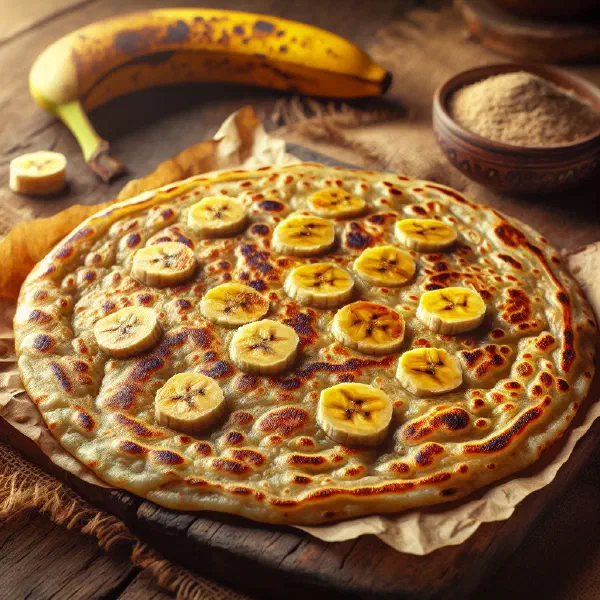
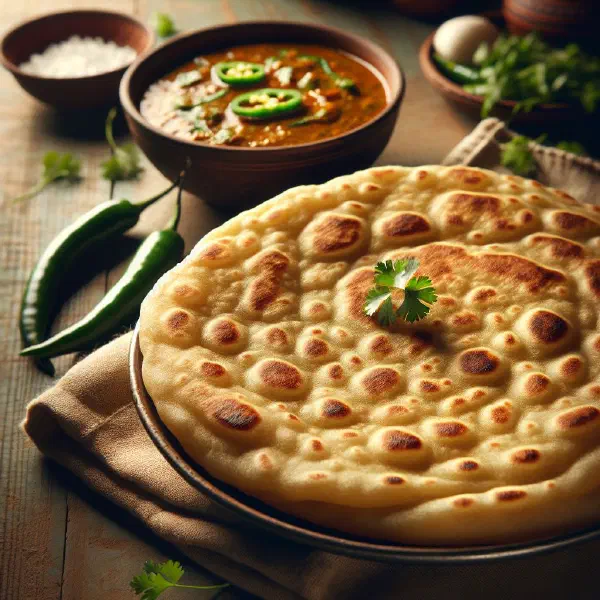
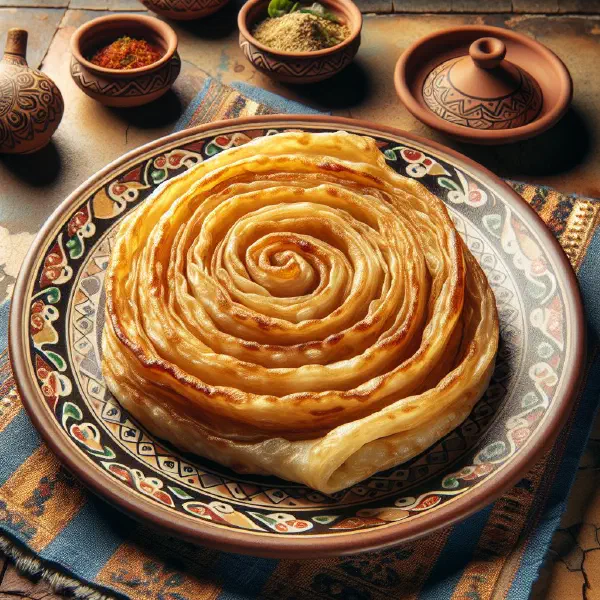
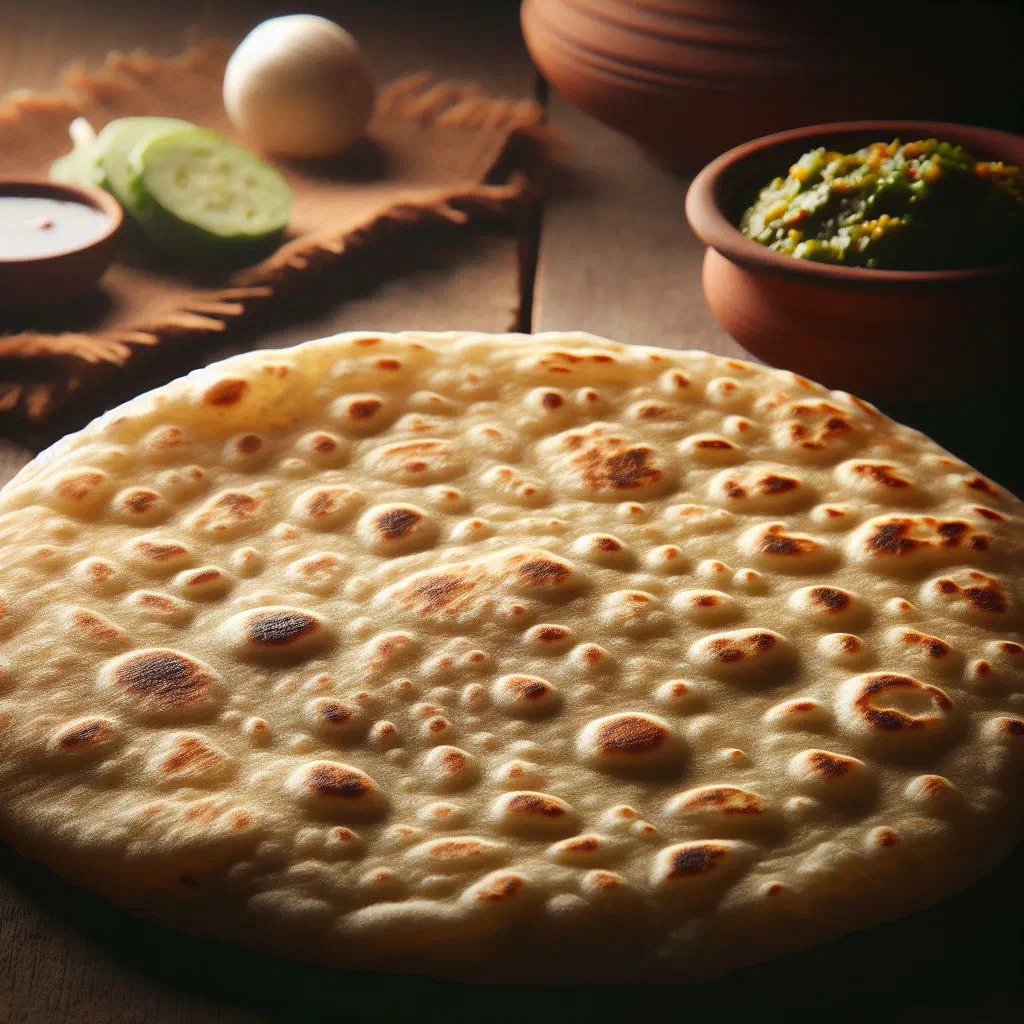
Discover Chapati, the soft, flaky flatbread found in kitchens all across Kenya. Made from little more than flour, salt and oil, it turns out remarkably rich in flavour, crisp at the edges, tender in the middle and layered like the finest pastry. Chapati is the natural partner to almost any stew or vegetable dish, and the warm, toasty aroma that fills the kitchen while it cooks is half the pleasure.
About Chapati
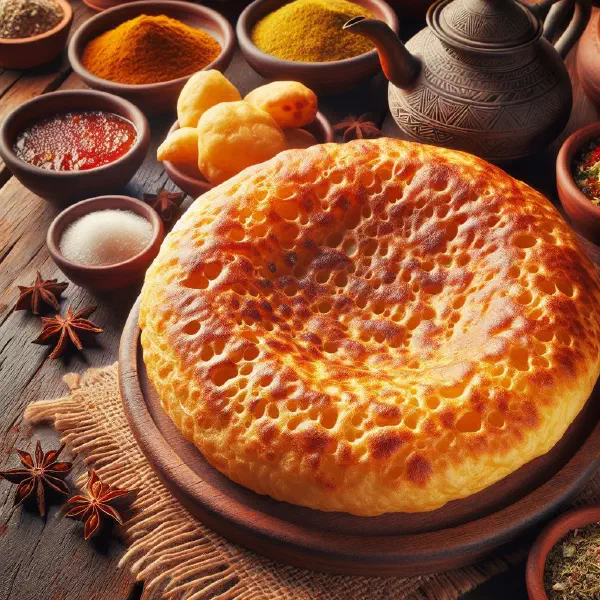
Chapati is a traditional Kenyan flatbread made from the simplest of ingredients, yet it delivers a flavour experience that is hard to match. These fluffy, crisp breads make an outstanding accompaniment to a great many dishes and are found in practically every Kenyan household. As they cook, a delicious aroma develops that appeals to the palate and stirs the senses in equal measure. Chapati completes any meal and lends it a genuinely authentic Kenyan character.
Ingredients (serves 1–2)
- 2 cups wheat flour
- 1 teaspoon salt
- 1 tablespoon vegetable oil or ghee
- Warm water (as needed)
Shopping for the ingredients
The ingredients for chapati are widely available and easy to find. Wheat flour, which forms the base of the dough, is stocked by every supermarket and market stall. Do choose a good-quality flour, as it has a real influence on both the flavour and the texture of the finished bread. Salt and oil are usually already in your kitchen, but a well-made oil gives the bread an extra depth of flavour.
Preparing the dish
Making chapati rewards a little preparation. Begin by assembling all your ingredients and clearing your work surface. Set out a bowl for mixing the dough, along with a board and a rolling pin for rolling the rounds. A modest amount of planning helps the process run smoothly and gives you a much better result at the end.
Step-by-step instructions
- Mix the wheat flour and salt together in a large bowl.
- Add the oil and begin to knead, adding warm water a little at a time.
- Knead the dough until it is smooth and elastic, then leave it to rest for about 30 minutes.
- Divide the dough into equal portions and shape each one into a small ball.
- Roll each ball out into a thin circle on a lightly floured surface.
- Heat a pan over medium heat and cook the chapati until golden brown and lightly puffed, then turn and cook the other side.
- Repeat with the remaining pieces of dough, keeping the finished chapatis warm.
Gluten-free / lactose-free version
For a gluten-free chapati we recommend a good gluten-free flour blend. These mixes are usually based on rice, maize or chickpea flour and work very well for flatbreads. You can also use a lactose-free oil in place of ghee so the dish suits anyone who is lactose intolerant. With these adjustments, people with particular dietary needs can enjoy delicious chapati just as much as everyone else.
Tips for vegans and vegetarians
Chapati is naturally vegan as long as you use vegetable oil. The recipe adapts without any trouble. Simply swap the ghee for any plant-based oil you like. To vary the flavour, work herbs or spices such as coriander or cumin into the dough. That gives the bread a distinctive twist and makes it even more moreish.
More tips and tricks
One of the great strengths of chapati is its versatility. Experiment with different flours, such as wholemeal or even nut flours, for more variety in your cooking. Make sure the pan is thoroughly preheated so the bread cooks evenly and takes on a good colour. Let the chapati rest briefly after cooking so the moisture stays in and the dough remains soft, the same softness you want alongside a bowl of Sukuma Wiki.
Adapting the recipe to your taste
The chapati recipe is easy to adjust to your personal preferences. You might reduce the amount of salt, for instance, or try different oils to shift the flavour. For a sweeter version, add a little sugar or honey to the dough. Or try adding spices such as cinnamon or cardamom to give your chapati a genuinely unusual note.
Ingredient substitutions
If you find yourself missing an ingredient, there are several alternatives to fall back on. Instead of wheat flour you could try oat flour, or a blend of rice flour and maize flour to make gluten-free chapati. If you have no oil to hand, yoghurt also works and makes the dough that bit richer.
Drink pairing ideas
Several drinks go beautifully with a plate of chapati. A fresh mango lassi or a simple citrus-based fruit drink complements the bread perfectly. For a deeper range of flavours, try it with a spiced tea such as Chai, which brings out any spices worked into the dough. Pairings like these turn a simple meal into a real pleasure.
Serving and presentation ideas
How you present your chapati can add a great deal to the enjoyment. Serve the breads on an attractive wooden platter or in a traditional ceramic bowl. Garnish with fresh coriander and offer a selection of dips or sauces alongside, a fresh Kachumbari works especially well. An appealing presentation not only makes the food taste better, it makes it look inviting from the very first glance.
A bit of history
Chapati has its roots in Indian cooking, where it has been a staple for centuries. It was brought to Kenya by Indian migrants and quickly became a much-loved part of the local repertoire. Today chapati is a fixture on menus not only in Kenya but across much of Africa. It is a food that stands for community and culture, and it is often made for festivals and gatherings, one of the warmest expressions of Kenyan cuisine.
More recipe ideas
Summary: Chapati
Chapati is far more than a simple flatbread; it is a symbol of Kenyan cooking and culture. Making it at home gives you something delicious to eat and a small taste of Kenyan tradition. With a handful of ingredients and a straightforward method, chapati is well within anyone’s reach. Let the countless variations inspire you and make chapati the highlight of your next meal.