National Dish Kenya: Coconut Beans (Recipe)
In this article
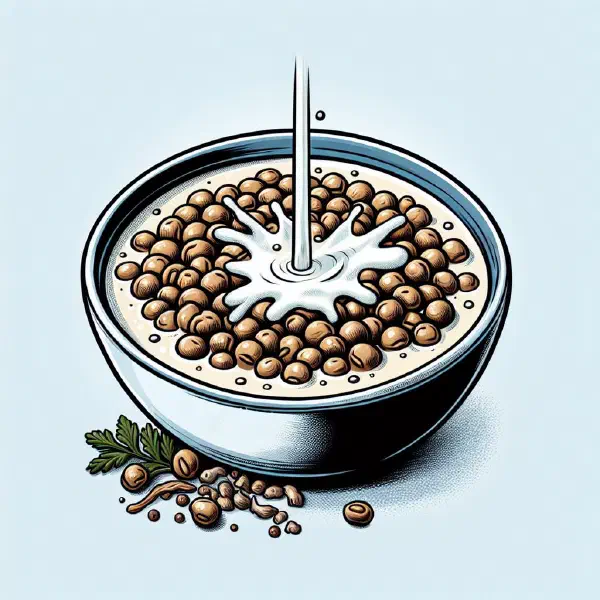
Discover Coconut Beans, a comforting classic from the Kenyan coast where tender beans simmer in rich, silky coconut milk. Warmed with ginger, garlic and toasted spices, it is the kind of dish that fills a kitchen with an unmistakably tropical aroma. Simple enough for a weeknight yet generous enough for guests, it works beautifully as a main course or as a side. One spoonful and you will understand why this humble pot of beans is such a fixture of East African home cooking.
About Coconut Beans
Coconut Beans are a distinctive national dish from Kenya that captures the flavour and versatility of African cooking perfectly. This aromatic combination of tender beans and rich coconut milk creates a nourishing, hearty experience that transports you somewhere else entirely. The straightforward method makes it an ideal dish for beginners and seasoned cooks alike. Coconut Beans bring a piece of Kenyan tradition into your kitchen.
Ingredients (serves 1–2)
- 200 g dried beans (kidney beans or black beans, for example)
- 400 ml coconut milk
- 1 onion, diced
- 2 cloves of garlic, chopped
- 1 piece of ginger (2 cm), grated
- 2 tablespoons vegetable oil
- 1 teaspoon cumin
- 1 teaspoon ground coriander
- Salt and pepper to taste
- Fresh coriander, to garnish (optional)
Shopping for the ingredients
When shopping for coconut beans, choose fresh, good-quality produce to get the best flavour. The beans can be bought either dried or tinned, though dried beans usually develop more depth of taste. Take care to pick coconut milk from a brand you trust, as quality varies enormously between products. Fresh aromatics such as garlic and ginger are just as decisive for the character of the dish, the same principle that makes a good Ndengu Curry sing.
Preparing the dish
Preparation for coconut beans begins with carefully cleaning and soaking the beans, if you are using dried ones. Soak them for at least four hours or overnight to shorten the cooking time. This helps the cooking process along and makes the beans easier to digest. Once soaked, the beans need a thorough rinse before they go into the pan.
Step-by-step instructions
- Bring the soaked beans to the boil in a pan of fresh water and simmer for about 1 hour, until tender.
- Heat the vegetable oil in a separate pan and fry the diced onion until translucent.
- Add the garlic and grated ginger and fry for a further 2 minutes.
- Stir in the cumin and ground coriander, then pour in the coconut milk.
- Drain the cooked beans, add them to the coconut milk mixture, stir well and season with salt and pepper.
- Let the dish simmer for 10 minutes so the flavours have time to marry.
- Garnish with fresh coriander and serve hot.
Gluten-free / lactose-free version
Coconut beans are naturally gluten-free and lactose-free, which makes them an excellent choice for anyone with particular dietary needs. Just check that everything you use, the spices and the coconut milk especially, contains no hidden gluten or dairy. It is worth reading the labels carefully so you can be certain the dish suits every guest at the table. That way everyone gets to enjoy the delicious interplay of flavours.
Tips for vegans and vegetarians
For vegans and vegetarians, coconut beans are an outstanding choice, since the dish is entirely plant-based. Use fresh, organic ingredients wherever possible to keep the nutrients at their peak. Experiment with different varieties of bean to vary the taste, or add a fat such as avocado for extra creaminess. Serve the dish with rice or quinoa for a well-balanced meal, or alongside Chapati for scooping up the sauce.
More tips and tricks
One good idea is to bulk out coconut beans with extra vegetables such as spinach or pumpkin, adding both nutrients and colour. If you like more heat, throw in chillies or hot peppers while the pot is on the stove. To deepen the flavour, it is well worth making the dish a day ahead, as the aromas grow more intense overnight. Try different herbs to give the pot your own personal signature.
Adapting the recipe to your taste
If you want to adapt coconut beans to your own preferences, you can vary the type of bean or adjust the spicing to suit your palate. Peanuts or cashews, for instance, add welcome crunch and a nutty richness. The dish is also easy to enrich with braised vegetables such as carrots or peppers. Small changes like these let you tailor the recipe to different tastes and dietary needs.
Ingredient substitutions
If you have no dried beans to hand, tinned beans work perfectly well and cut the cooking time considerably. For a lighter coconut option, coconut cream can be diluted with water. Just remember to reduce the other liquid accordingly. When it comes to spicing, Thai blends can be folded in to give the dish an intriguing twist.
Drink pairing ideas
To round out the experience of coconut beans, a whole range of drinks works well. A refreshing chilled ginger tea is an excellent choice that echoes the warm spices in the pot, much like a proper cup of Chai Ya Tangawizi. For something different, try a lightly chilled fruity beer or a dry white wine such as Sauvignon Blanc. Freshly pressed pineapple or mango juice also lends a lovely tropical touch.
Serving and presentation ideas
Presentation can make a real difference to how coconut beans are enjoyed. Serve the dish in a handsome bowl and garnish generously with fresh chopped coriander or even toasted coconut flakes for contrast in both look and flavour. A scattering of red pepper or a squeeze of lime juice adds a further splash of colour. An appealing presentation ensures your guests get an immediate sense of just how good the food is going to be.
A bit of history
Coconut beans have their origins in Kenyan cooking and reflect the country’s use of homegrown ingredients. Beans have been a staple across Africa for many centuries and remain an excellent source of protein for the population. Bringing coconut into savoury dishes owes much to the access to tropical produce and the cultural influences of the Kenyan coast, a hallmark of Kenyan cuisine. The dish stands, then, not only for its flavour but for the rich culinary history behind it.
More recipe ideas
Summary: Coconut Beans
In short, coconut beans are a wonderful way to bring the flavour and tradition of Kenyan cooking into your own home. The combination of creamy coconut milk, tender beans and fragrant spices creates an experience you will not forget in a hurry. It will be loved by everyone at the table. Give this simple, delicious recipe a go and let the variety of African cooking win you over.