National Dish Kenya: Githeri (Recipe)
In this article
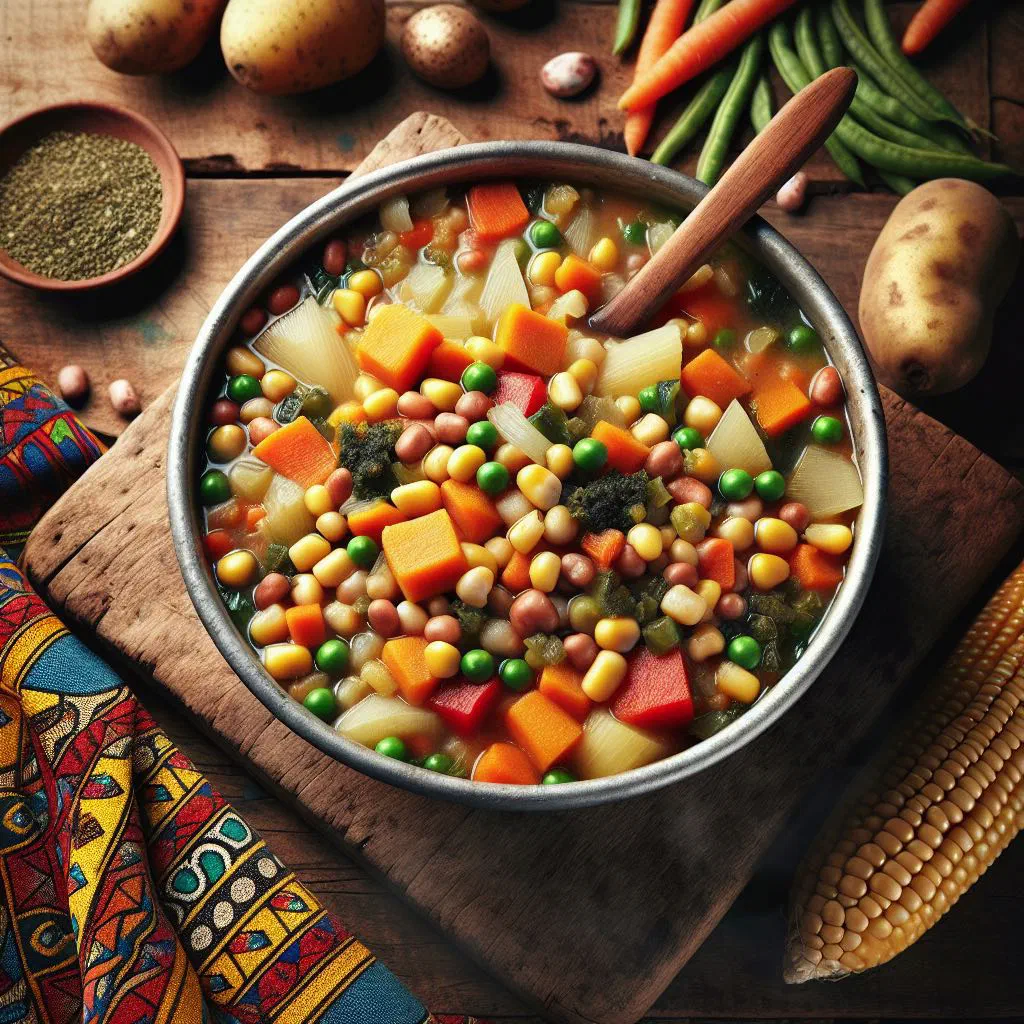
Discover Githeri, the hearty bean-and-maize dish that Kenyans have been cooking for generations. It is simple, filling and quietly brilliant, two humble staples simmered together until they turn into something far greater than the sum of their parts. Equally at home as a main course or a side, githeri carries the warmth of Kenyan home cooking straight to your table, and it is endlessly easy to make your own.
About Githeri
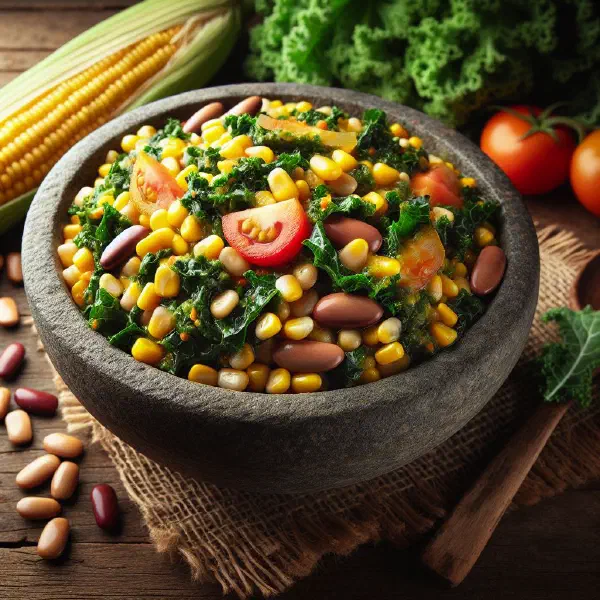
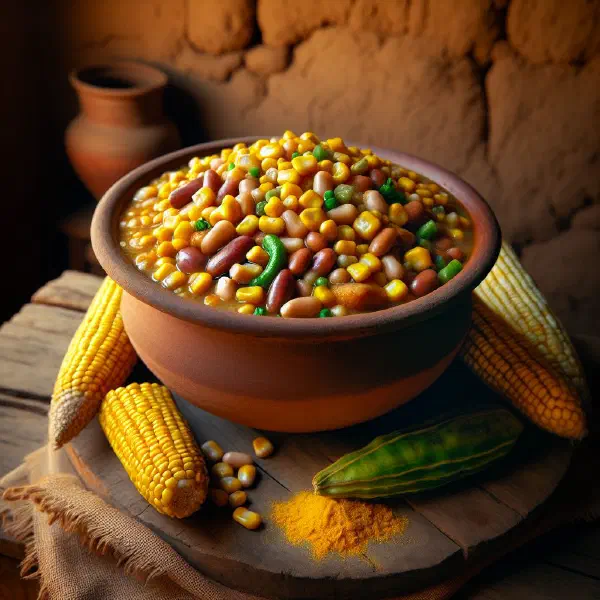
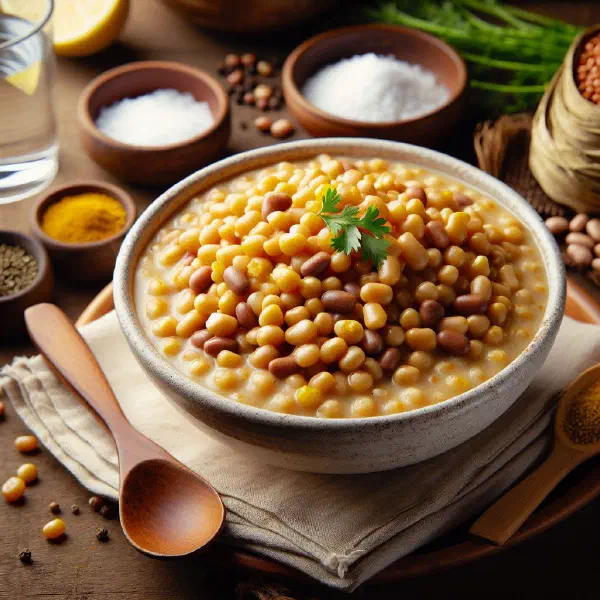
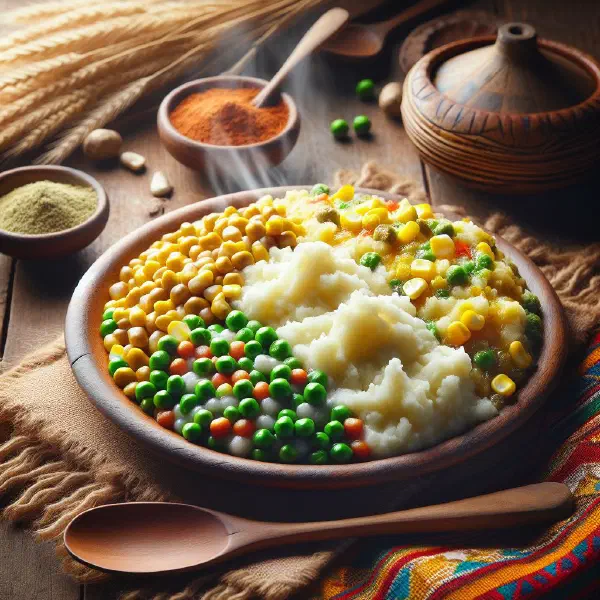
Githeri is a traditional Kenyan dish built on a harmonious mixture of beans and maize. It is nourishing and offers a wealth of flavour that reflects the beauty and diversity of Kenyan cooking. Githeri is often served as a main course, though it is just as good as a side dish alongside grilled meats or greens. Thanks to the recipe’s flexibility, you can fold in extra ingredients of your own and turn every pot into a personal creation.
Ingredients (serves 1–2)
- 1 cup dried beans (black beans or kidney beans, for example)
- 1 cup maize kernels (fresh or frozen)
- 1 onion, diced
- 2–3 cloves of garlic, chopped
- 1–2 carrots, diced
- 2 tablespoons vegetable oil
- Salt and pepper to taste
- Water, as needed
Shopping for the ingredients
When shopping for githeri, quality is what makes the difference. Try to choose fresh or organic produce to get the best flavour from such a pared-back dish. The beans can be bought dried or tinned, while the maize may be fresh or frozen depending on the season. Most supermarkets and African or Asian grocers will carry everything you need without any trouble.
Preparing the dish
Before you start cooking githeri, soak the beans in advance to cut down the cooking time. This also helps your body take up the nutrients more easily. Beans left in water overnight are ideal, as they turn soft and tender in the pot. Wash and dice the carrots and onions at the same time so everything is ready to go straight into the pan.
Step-by-step instructions
- Put the soaked beans in a pan, cover with water, bring to the boil and then simmer over low heat until soft.
- Heat the vegetable oil in a separate pan. Add the onions and garlic and fry for 2–3 minutes until lightly golden.
- Add the diced carrots and the maize and fry for a further 5 minutes.
- Drain the cooked beans and add them to the vegetables in the pan.
- Season with salt and pepper, stir everything together well and let it simmer for a few minutes so the flavours mingle.
Gluten-free / lactose-free version
Githeri is naturally gluten-free and lactose-free, which makes it an excellent choice for anyone with those intolerances. The ingredients it relies on, beans and maize, contain neither gluten nor lactose. You can therefore work githeri into your diet without any special adjustments at all, much like a bowl of Maharagwe.
Tips for vegans and vegetarians
The recipe for githeri is already vegan and vegetarian, since it uses nothing but plant-based ingredients. You can adapt the dish however you like by adding extra vegetables or spices. Coconut milk, or spices such as cumin and paprika, lend the pot a distinctive character. That way you can be sure the finished dish matches your own taste exactly.
More tips and tricks
There are a few useful tricks worth knowing when you cook githeri. You could brown the beans with a little ham or bacon for a heartier, meatier flavour if you are not keeping it vegan. A squeeze of lemon juice just before serving lifts the aromas and adds a refreshing note. Experiment with different herbs and spices too until you land on your perfect blend.
Adapting the recipe to your taste
One of the best things about githeri is its versatility. You can add all sorts of vegetables, broccoli, courgette or peppers, for example. If you like your food hot, simply throw in a few chillies. The choice of beans can vary as well, so try different varieties until you find the flavour you love best, in the same spirit as a slow-simmered Njahi Stew.
Ingredient substitutions
If certain ingredients are not to hand, there are plenty of alternatives you can turn to. Instead of beans you might use lentils, which give a similar texture and body. If you cannot find maize, rice makes a good stand-in. Bear in mind that cooking times will vary, so adjust them accordingly as you go.
Drink pairing ideas
Several drinks round off a plate of githeri beautifully. A fresh fruit juice such as mango or pineapple harmonises wonderfully with the flavours of the dish. A cool glass of sparkling water or a gentle tea, a mug of Chai, for instance, works just as well. Consider the season and your guests when choosing the best option.
Serving and presentation ideas
The way you present githeri can heighten the pleasure of eating it. Serve the dish in a shallow bowl and garnish it with fresh herbs such as coriander or parsley to add colour and freshness. Use attractive serving platters to lay out the various accompaniments. Colourful vegetable sides will improve the look of the meal still further.
A bit of history
Githeri has a long tradition in Kenyan culture and is often seen as a symbol of community and family. It was originally prepared by the Kikuyu, one of Kenya’s largest ethnic groups. Over time the dish grew hugely popular and is served today in households and restaurants across the country. Githeri is more than a meal. It is a living link to the cultural history behind Kenyan cuisine.
More recipe ideas
Summary: Githeri
Githeri is not just an easy dish to make; it is a culinary experience that mirrors the culture of Kenya. With its combination of beans and maize it offers a nourishing, flavourful option for any meal of the day. The many ways of adapting it mean you can discover new flavours every time and keep bringing variety to your table. Whether as a main course or a side, githeri brings the singular taste of Africa right into your own home.