National Dish Kenya: Irio (Recipe)
In this article
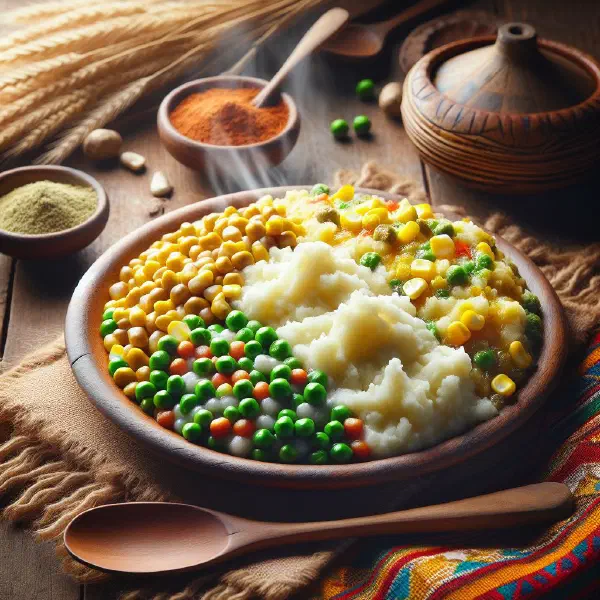
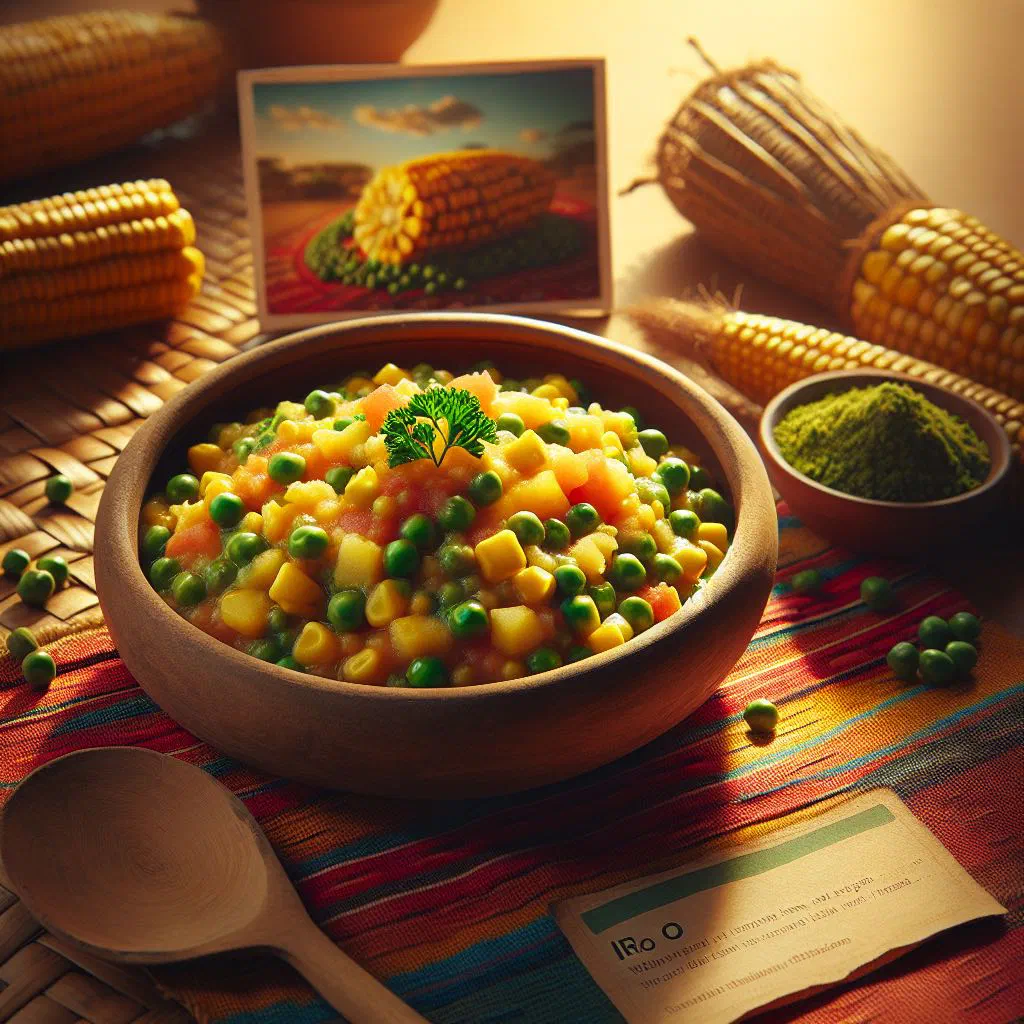
Discover Irio, the comforting green mash that Kenyan cooks have been making for generations. Potatoes, peas, sweetcorn and spinach are cooked until tender and then crushed together into a soft, nourishing mound that is as filling as it is wholesome. It is simple to prepare, endlessly adaptable, and it carries the honest, home-cooked flavours of Kenya straight to your table.
About Irio
Irio is a traditional Kenyan national dish that delivers a real burst of flavour and texture. It brings together mashed green peas, potatoes, sweetcorn and spinach, making it deeply satisfying and packed with natural goodness. Irio is often served alongside grilled meat or vegetables, which makes it a wonderfully versatile part of any meal. For many Kenyans it is far more than food on a plate. It is a symbol of home and tradition.
Ingredients (serves 1–2)
- 200 g green peas (fresh or frozen)
- 200 g potatoes, peeled
- 150 g sweetcorn (fresh or tinned)
- 100 g fresh spinach
- 1 onion, chopped
- 2 garlic cloves, chopped
- 2 tablespoons olive oil
- Salt and pepper to taste
Shopping for the ingredients
Look for the freshest green peas and spinach you can find, while potatoes and sweetcorn are available all year round. A weekly farmers’ market is often the best place to pick up produce at its peak, though a good supermarket will cover everything on the list. Keep an eye out for seasonal offers, as the quality of the vegetables makes a noticeable difference to the finished mash. Frozen peas are a perfectly good standby when fresh ones are out of season.
Preparing the dish
Getting irio ready is straightforward, but a little planning helps things run smoothly. Begin by peeling the potatoes and cutting them into small pieces so they cook through quickly and evenly. The green peas can be used fresh or frozen, though fresh ones give the sweetest flavour. Wash the spinach thoroughly and pick out any wilted leaves before you start cooking, much as you would for a pan of Sukuma Wiki.
Step-by-step instructions
- Boil the potatoes in a pan of water until they are soft.
- Add the green peas and the sweetcorn and cook everything for a further 5–7 minutes.
- In a separate pan, heat the olive oil and fry the onion and garlic until golden.
- Add the spinach and let it wilt briefly.
- Drain the cooked potatoes, peas and sweetcorn, tip them into the pan with the spinach and mix well, crushing as you go.
- Season with salt and pepper, then serve.
Gluten-free / lactose-free version
Irio is naturally gluten-free and lactose-free, which makes it an excellent choice for anyone with food intolerances. All you need to do is check that your ingredients are free from cross-contamination when you buy them, particularly tinned sweetcorn and any stock you use. If you want to add a creamy note, lactose-free alternatives work perfectly well in place of dairy. With these small precautions you can enjoy irio without a second thought.
Tips for vegans and vegetarians
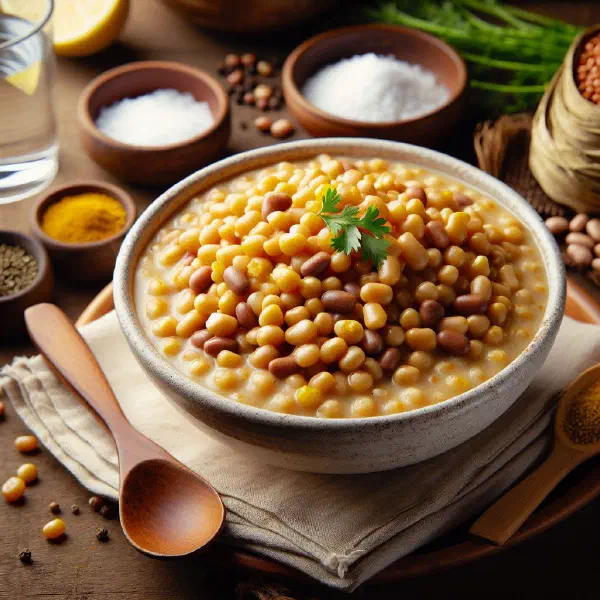
Irio is already a vegan and vegetarian dish, which makes it a fantastic option for anyone eating plant-based. To boost the protein, stir in pulses such as beans or lentils, the same approach that gives Githeri its staying power. Cooking the vegetables in vegetable stock rather than plain water adds a warmer, rounder aroma. Enjoy irio as a main course or as a side dish at your next wholesome meal.
More tips and tricks
To deepen the flavour of irio, it is worth experimenting with a few spices. A pinch of cumin or a little vegetable stock powder can add a lovely savoury note. The dish also takes well to fresh herbs such as coriander or parsley, which bring both colour contrast and extra flavour. Mash the vegetables while they are still hot. They break down far more easily and give a smoother result.
Adapting the recipe to your taste
Irio is a very flexible dish and adapts easily to different palates. If spinach is not to your liking, cabbage or kale make excellent substitutes and stay closer to the everyday Kenyan version. For more heat, add chilli or a good pinch of paprika. The point is to adjust the dish so it tastes exactly right for your family and friends.
Ingredient substitutions
If you do not have every ingredient to hand, similar produce will step in happily. Sweet potatoes in place of ordinary potatoes vary the carbohydrates and lend a gentle sweetness, while green bananas give a firmer, starchier mash rather like Matoke. Bear in mind that cooking times may need adjusting when you swap in a different vegetable. Tinned peas can also replace fresh green peas, which makes the preparation even quicker.
Drink pairing ideas
Plenty of drinks round out a plate of irio nicely. A refreshing, fruity juice is ideal for lifting the earthy flavours of the mash. A cup of spiced chai or a lightly sparkling mineral water also works beautifully alongside it. Matching the drink to the food adds a great deal to the overall experience of the meal.
Serving and presentation ideas
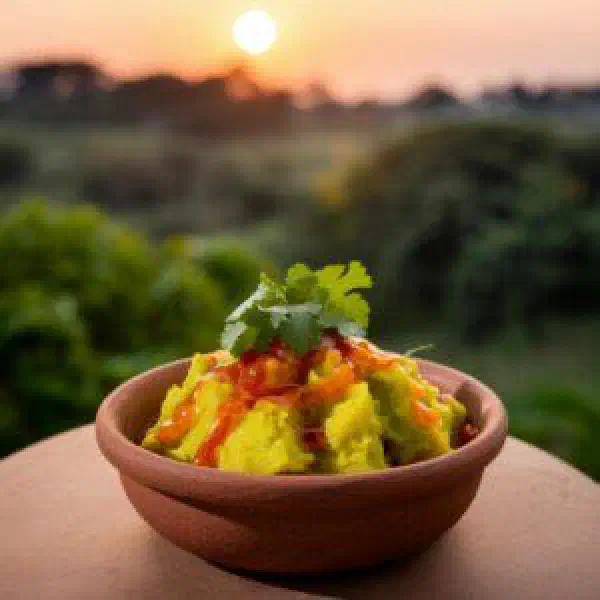
Irio offers a simple canvas for creative presentation. Use a pale serving platter or a wide bowl so the green of the mash really stands out. Garnish with fresh herbs or a squeeze of lemon juice to give the dish a lift of freshness. An attractive presentation not only makes the food more enjoyable, it turns irio into a genuine highlight at a dinner party.
A bit of history
The roots of irio run deep into Kenyan culture, particularly among the Kikuyu communities of the central highlands. Originally a filling meal for people working the farms, it is now a firm favourite in households across the country. It stands for shared, communal values, since it is usually made in large quantities to be passed round among family and friends. Handing the recipe down from one generation to the next helps keep the culinary traditions of Kenyan cuisine alive.
More recipe ideas
Summary: Irio
All in all, Irio is a delicious and nourishing Kenyan national dish that fills you up while delivering a whole range of healthy ingredients. The combination of green peas, potatoes, sweetcorn and spinach makes it a perfect side dish or a satisfying main in its own right. With a little creativity it can be adjusted to almost any preference, which is what makes it such a versatile fixture in the kitchen. Give this recipe a try and let the authentic flavours of Kenya win you over.