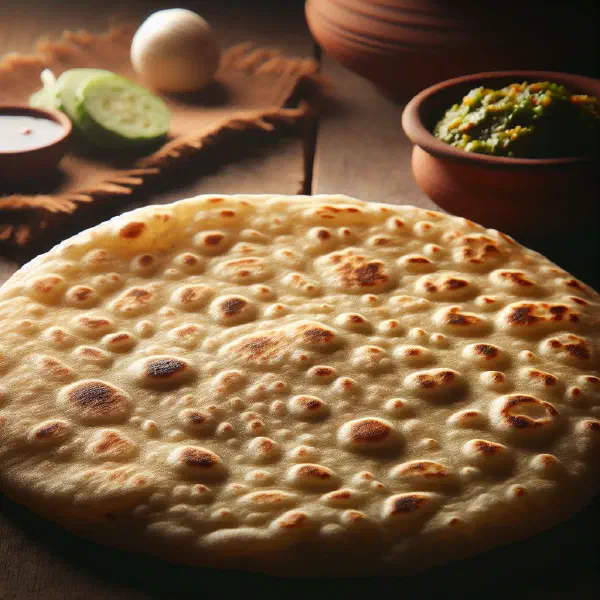
National Dish Kenya: Mahamri (Recipe)

In this article
Discover Mahamri, the pillowy coconut buns that start the day along Kenya’s Swahili coast. Lightly sweet, faintly perfumed with cardamom and fried to a deep golden brown, they are a breakfast favourite and an all-day snack in equal measure. The dough asks for little more than flour, coconut milk and patience, yet the result tastes like a small celebration. Bring a piece of East African baking into your own kitchen.
About Mahamri
Mahamri are delicious, airy coconut buns served across Kenya as a much-loved breakfast dish and snack. These buns are famous for their wonderful flavour and for how straightforward they are to make. Mahamri come together from a combination of flour, coconut milk, sugar and spices, which gives them their distinctive gently sweet taste. They pair beautifully with all manner of accompaniments and are a genuine treat for any palate.
Ingredients (serves 1–2)
- 250 g plain wheat flour
- 100 ml coconut milk
- 30 g sugar
- 1 tsp dried yeast
- 1 tsp ground cardamom
- 1 pinch of salt
- Oil, for deep-frying
Shopping for the ingredients
The ingredients for mahamri are easy to find in most supermarkets or Asian grocery shops. Wheat flour and dried yeast are standard baking staples and should be stocked in any well-supplied store. Coconut milk is usually shelved in the international aisle or among the organic goods. When choosing spices such as cardamom it pays to look for quality, since this has a real bearing on how the buns taste.
Preparing the dish
Before you start, make sure every ingredient is to hand and the kitchen is tidy. Measure carefully to get the best possible result. It is also worth setting out all your utensils, mixing bowls, forks and a slotted spoon, so the process runs smoothly. That way you can enjoy the cooking itself rather than constantly hunting for something.
Step-by-step instructions
- Combine the flour, sugar, dried yeast, cardamom and salt in a large bowl.
- Add the coconut milk and mix thoroughly until you have a smooth dough.
- Leave the dough to prove in a warm place for about 1 hour, until noticeably risen.
- Turn the dough out onto a lightly floured surface and shape into small buns.
- Heat the oil in a deep pan and fry the buns in batches until golden brown.
- Drain the finished mahamri on kitchen paper and serve hot.
Gluten-free / lactose-free version
For a gluten-free version of mahamri you can use gluten-free flour, which generally works very well here. Check when buying that the blend is intended for baked goods. Coconut milk is naturally lactose-free and perfectly suited to this preparation, so no swap is needed there. Soya or almond drinks can also stand in for the coconut milk if you prefer.
Tips for vegans and vegetarians
Mahamri are naturally vegan, since they contain no animal products at all. To underline the sweetness, vegans sometimes reach for agar-agar as a setting agent, though it is worth checking that all spices are free from additives. Some cooks also vary the amount of sugar or turn to alternative sweeteners. The dish therefore stays flavourful and wholesome for vegetarians and vegans alike, much like the coconut-rich Coconut Beans.
More tips and tricks
For the best results it is important to let the dough prove long enough so the flavours can develop. It also pays to watch the oil temperature closely, as this has a huge influence on the texture of the buns. Avoid frying too many buns at once, so that everything cooks evenly. If you want to get ahead, you can freeze the dough and fry it off when needed.
Adapting the recipe to your taste
The mahamri recipe is easy to adjust to different palates. You might add chocolate chips, dried fruit or nuts for extra variety. The spicing can change too. Try cinnamon or nutmeg for a different note. Do keep the core ingredients as they are, though, so the buns retain their characteristic flavour, in the same spirit as the closely related Mandazi.
Ingredient substitutions
If coconut milk is unavailable, oat milk or almond milk will give you a similar effect. In place of sugar you can use agave syrup or honey for a slightly lighter version. If cardamom is not to your taste, simply leave it out or swap in other spices such as vanilla or cloves. Adjustments like these open up an interesting range of flavours while leaving the recipe essentially intact.
Drink pairing ideas
Mahamri go extremely well with a wide range of drinks. A fruity juice that echoes the sweetness of the buns is a good choice. Chai, the classic Kenyan spiced tea, is a perfect companion and makes for a very comforting combination. For something different, serve the mahamri with coffee, whose bitterness offers a lovely contrast to the sweet dough.
Serving and presentation ideas
To present mahamri attractively, arrange them on a handsome plate and decorate with fresh fruit. Herbs such as mint or basil are worth adding for a lively splash of colour. A small bowl of jam or honey alongside lifts the look of the dish and brings extra flavour to the table. Serve the buns warm so their full aroma comes through.
A bit of history
Mahamri have their origins in Swahili cooking and are closely bound up with the culture and traditions of Kenya. They are a staple in many households, particularly at celebrations and festivals. The buns reflect the influence of Arab and Indian traders, who brought their own spices and techniques to the coast, the same currents that shaped Kenyan cuisine dishes like Pilau. Today mahamri are enjoyed well beyond Kenya’s borders and have found a place in kitchens around the world.
More recipe ideas
Summary: Mahamri
Mahamri are a delicious and refreshingly uncomplicated way to bring a piece of African cooking into your kitchen. These airy coconut buns offer a flavour all of their own, and they are versatile enough to be adapted without much effort. Whether as breakfast, as a snack or as part of a special occasion, mahamri are always appreciated. Pick up your mixing bowl and let the wonderful world of Kenyan cooking win you over.