National Dish Kenya: Maharagwe (Recipe)
In this article
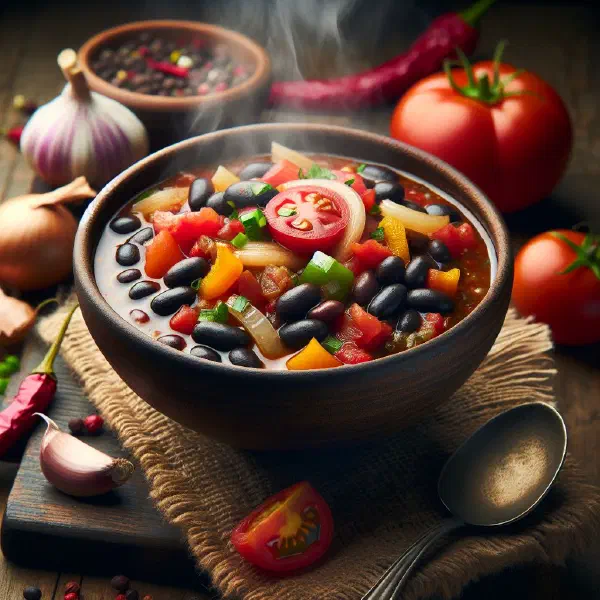
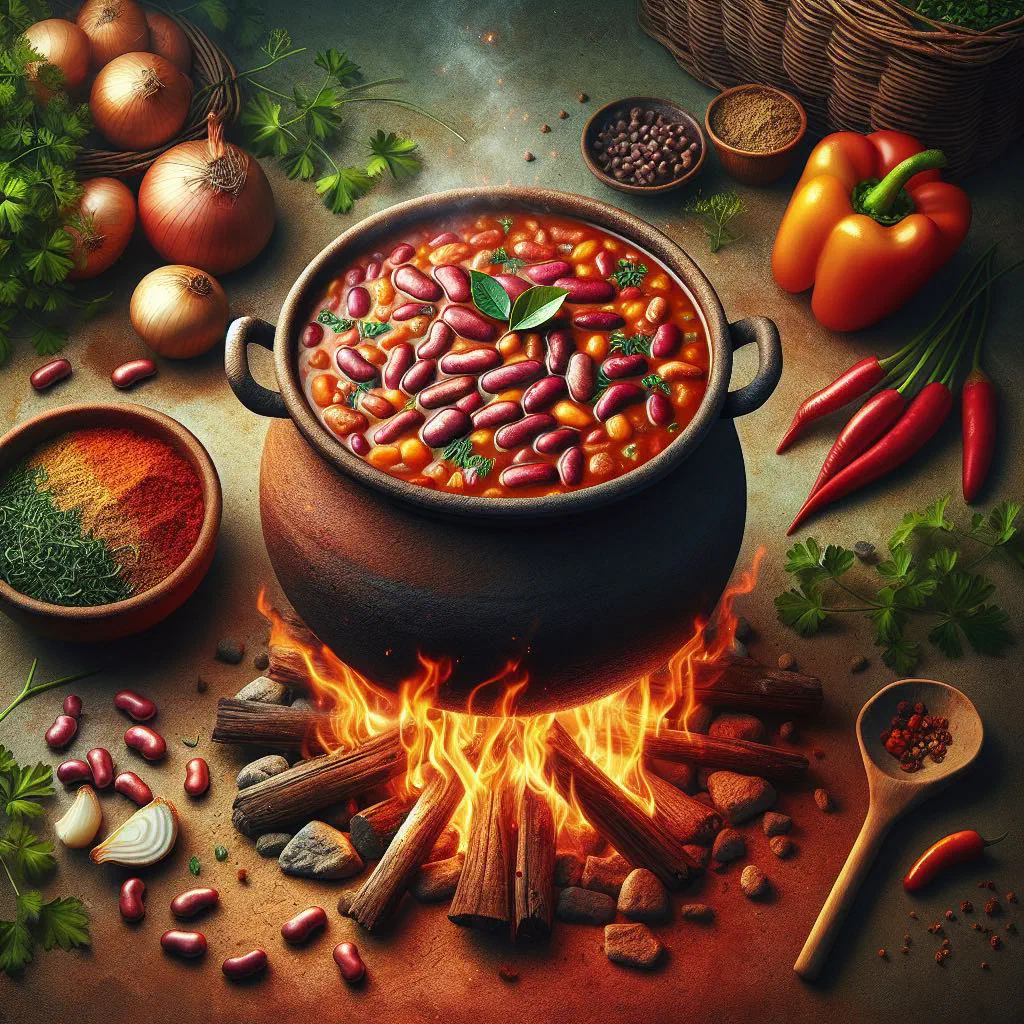
Meet Maharagwe, the nourishing bean stew that turns up on Kenyan tables day in, day out. Simmered beans meet sweet onions, ripe tomatoes and a warming handful of spices to create something deeply savoury yet wonderfully simple. It is filling, thrifty and endlessly forgiving, the sort of pot that feeds a family without fuss. If you have been meaning to explore Kenyan cooking, this is the perfect place to begin.
About Maharagwe
Maharagwe is a traditional Kenyan dish built around black beans. It wins people over with its hearty, savoury flavours and forms part of the everyday diet in countless households. Maharagwe can be served as a main course or as a side dish, which makes it a wonderfully versatile option for any meal of the day.
Ingredients (serves 1–2)
- 200 g black beans (dried or tinned)
- 1 onion, diced
- 2 tomatoes, diced
- 2 tablespoons vegetable oil
- 1 teaspoon cumin
- 1 teaspoon paprika
- Salt and pepper to taste
- Fresh coriander leaves, to garnish
Shopping for the ingredients
For maharagwe it pays to pay attention to the quality of the beans. If you go for dried beans, soak them beforehand to shorten the cooking time and make the nutrients more readily available. Tomatoes and onions should be as fresh as possible, since they carry a large part of the dish’s flavour. Choose good spices too, as they are what give maharagwe its authentically Kenyan character, the same principle that underpins a proper Githeri.
Preparing the dish
Getting maharagwe ready is straightforward. Start by soaking the beans overnight if you are using dried ones, so they soften properly. The next day, rinse them thoroughly before they go into the pot. While the beans are soaking you can already prepare the onions and tomatoes to speed things along later. That kind of efficient groundwork makes the finished dish all the better.
Step-by-step instructions
- Heat the oil in a large pan and fry the diced onions until translucent.
- Add the diced tomatoes and let them simmer for about 5 minutes until soft.
- Stir in the cumin and paprika and combine everything well.
- Add the prepared black beans, top up with water and bring to the boil.
- Reduce the heat and let the dish simmer for at least 30 minutes, until the beans are tender.
- Season with salt and pepper and garnish with fresh coriander leaves.
Gluten-free / lactose-free version
Maharagwe is naturally gluten-free and lactose-free, which makes it an excellent choice for anyone with food intolerances. You can be confident that none of the ingredients in this recipe contains gluten. Just check that your spice blends are certified gluten-free. That makes maharagwe a perfect option for anyone after a healthy, flavourful meal.
Tips for vegans and vegetarians
This dish is delicious and particularly well suited to vegans and vegetarians. Maharagwe contains no animal products at all and offers an excellent source of protein thanks to the beans. Feel free to enrich the recipe with extra vegetables such as peppers or spinach for even more nutrients, much as you would with a plate of Sukuma Wiki. You can also experiment with different spices to discover new flavour combinations.
More tips and tricks
A few small tips will make maharagwe even tastier. Use freshly ground spices to intensify the aroma. Adding a pinch of chilli lends the dish an interesting kick of heat. Remember to stir the stew now and then so nothing catches on the bottom of the pan. And do let it rest for a few minutes before serving so the flavours have time to open up.
Adapting the recipe to your taste
One of the best things about maharagwe is how adaptable it is. If you prefer a different bean, simply swap it in, white beans or kidney beans are equally delicious. The vegetables can be exchanged at will too, so your personal preferences are easy to accommodate. For a fresher note, add a squeeze of lemon juice just before you serve.
Ingredient substitutions
If some ingredients are unavailable, there are always alternatives. Instead of black beans you can use other pulses such as lentils, which cook quickly, the same versatility you find in a Ndengu Curry. Shallots work in place of onions for a milder flavour. And if fresh tomatoes are hard to come by, tinned tomatoes are a perfectly practical option that taste just as good.
Drink pairing ideas
Plenty of drinks go beautifully with a nourishing dish like maharagwe. A refreshing sparkling water is a good choice, as it will not compete with the already robust flavours. For something alcoholic, a cold wheat beer or a fruity wine accompanies the meal nicely. A homemade fruit juice appeals to most palates too and suits this hearty stew wonderfully, as does a cup of spiced Chai.
Serving and presentation ideas
The presentation of maharagwe can lift the eating experience considerably. Serve the dish in a colourful plate or bowl and garnish it with fresh coriander leaves. A few slices of lemon or lime alongside add extra colour to the table. For an authentically Kenyan flourish, offer a small side salad that complements the stew beautifully.
A bit of history
Maharagwe has an interesting history rooted deep in Kenyan culture. The use of beans goes back to a tradition of preparing nourishing, affordable food that most households could rely on. Beans are a widespread source of protein, especially in rural areas, where alongside maize and other staples they form an important part of the diet. Maharagwe is often served at festive occasions and family gatherings, and is a symbol of hospitality and tradition within Kenyan cuisine.
More recipe ideas
Summary: Maharagwe
Maharagwe is a delicious, nourishing dish that shines both as a main course and as a side. With its short ingredient list and its many possible variations, it is ideal for anyone who wants to discover Kenyan cooking. Because the recipe adapts so readily, you can shape it entirely to your own taste and give your creativity free rein. Whether as a relaxed family dinner or part of a festive spread, maharagwe is a flavour experience that never disappoints.