National Dish Kenya: Matoke (Recipe)
In this article
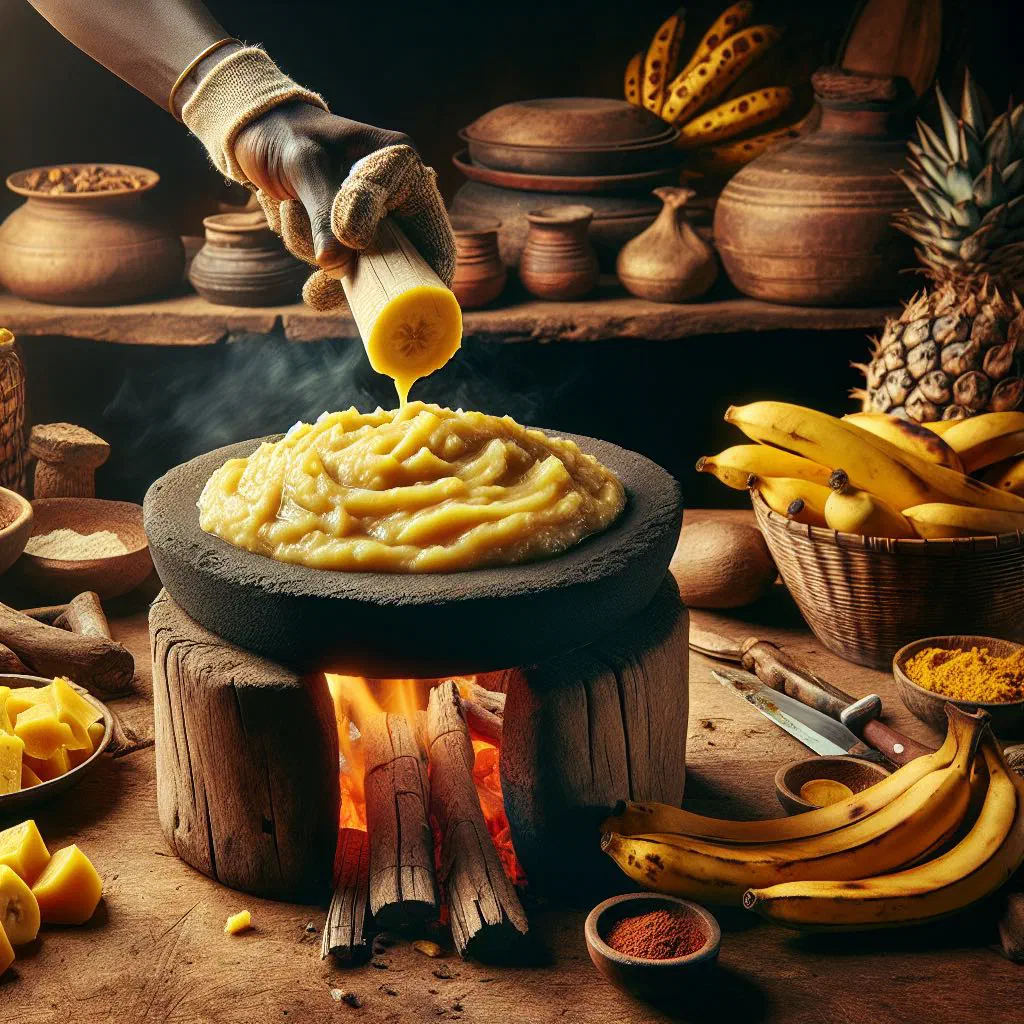
Discover Matoke, one of Kenya’s great everyday comfort foods. Gently cooked green plantains are lightly crushed and folded into a fragrant base of onion, garlic and tomato, giving a dish that is filling, nourishing and endlessly useful. It works just as happily as a side to a rich stew as it does as a main course in its own right, and it brings a genuine taste of East African home cooking to your kitchen with very little fuss.
About Matoke
Matoke is a traditional Kenyan dish made from green plantains, and its roots lie in the country’s smallholder farming tradition. The plantains are steamed or simmered until tender, giving a hearty, savoury base that carries other flavours beautifully. Matoke is often served with meat, vegetables or a well-seasoned sauce, all of which suit its mild, gently starchy character. Once you have tried it, it tends to become a firm favourite, much like the equally beloved Irio.
Ingredients (serves 1–2)
- 4–6 green plantains
- 1 onion, chopped
- 2 garlic cloves, chopped
- 1 tomato, diced
- 1 cup vegetable stock
- 2 tablespoons oil
- Salt and pepper to taste
Shopping for the ingredients
The ingredients for matoke are easy to find in most supermarkets and African or Asian grocery shops. The green plantains are the crucial element, since they give the dish its authentic flavour, so look for firm, fresh specimens with unblemished skins. Good spices and fresh vegetables matter too. They are what give the finished dish its lift and its depth of character.
Preparing the dish
Before you start cooking, peel the plantains and cut them into evenly sized pieces. This ensures they cook at the same rate and turn out pleasantly tender rather than patchy. Prepare the vegetables at the same time by washing the onion, garlic and tomato and chopping them as required. A little groundwork like this makes for a smooth, unhurried cooking process and a far better result on the plate.
Step-by-step instructions
- Put the peeled plantains in a large pan, cover with water, bring to the boil and simmer for 10–15 minutes until soft.
- Drain off the water and crush the plantains lightly, stopping well short of a smooth purée.
- Heat the oil in a frying pan and fry the chopped onion and garlic until golden brown.
- Add the diced tomato and let it cook for a few minutes until softened.
- Add the crushed plantains to the pan along with the vegetable stock and mix everything together well.
- Season with salt and pepper and simmer over low heat for 5 minutes until piping hot throughout.
Gluten-free / lactose-free version
Matoke is naturally gluten-free and lactose-free, which makes it an excellent choice for anyone with intolerances. The recipe needs no dairy at all, so it slots easily into a balanced everyday diet. Just check that the stock you use is certified gluten-free, as some stock cubes contain wheat derivatives. With that one small precaution you have a dish that everyone at the table can share.
Tips for vegans and vegetarians
Matoke suits vegans and vegetarians perfectly, since it calls for no animal products whatsoever. You can bulk it out with extra vegetables such as carrots, peas or peppers for more colour and nutrition, or stir through a handful of greens in the style of Sukuma Wiki. Generous herbs and aromatic spices intensify the flavour, and matoke makes a wonderfully forgiving base for creative, nourishing plates.
More tips and tricks
The single most important factor in good matoke is the cooking time of the plantains. Test them regularly, because overcooked plantains lose their texture and turn woolly. Use fresh ingredients wherever possible to maximise the aromas and make the dish altogether tastier. It also helps to soak the peeled plantains in cold water for a few minutes before cooking, which draws out some of the starch and improves the final flavour.
Adapting the recipe to your taste
The matoke recipe is remarkably adaptable. Vary the ingredients according to personal preference or whatever is in season at the market. Add your favourite vegetables, or a handful of pulses for extra protein, in much the same spirit as Maharagwe. You can also experiment with different savoury sauces if you fancy bringing a little more spice and punch into play.
Ingredient substitutions
If you cannot get hold of green plantains, there are several alternatives worth trying, sweet potatoes or even pumpkin behave similarly and take to the same treatment. Instead of vegetable stock you can simply use water, or a homemade broth that gives you full control over what goes in.
Drink pairing ideas
To round out the matoke experience, consider East African drinks such as dawa or a spiced tea in the style of Chai Ya Tangawizi. A refreshing lemon or ginger tea works particularly well against the savoury notes of the dish. If you prefer something alcoholic, a light white wine or a fruity cocktail makes an interesting partner. Choose drinks that support the flavours rather than overwhelm them.
Serving and presentation ideas
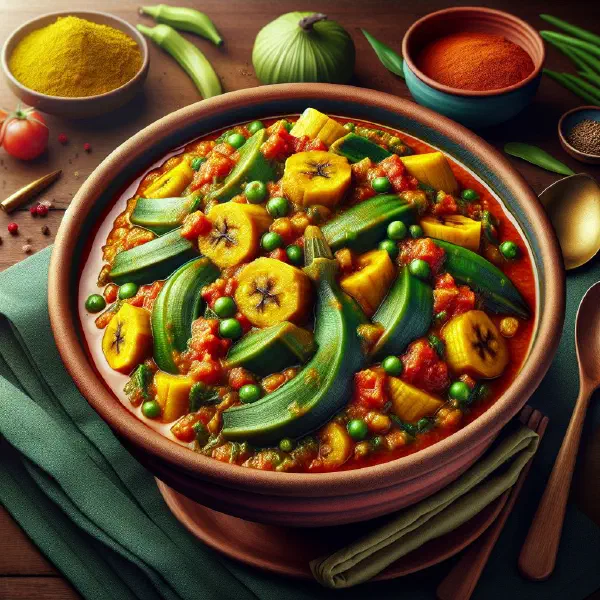
An attractive presentation lifts the whole meal considerably. Serve matoke in a handsome, wide bowl and garnish it with fresh herbs such as parsley or coriander for colour and freshness. Small dishes of accompaniments, chutney or a hot sauce, make an appealing addition and invite everyone to help themselves. Above all, show off the natural colours of the ingredients to their best advantage.
A bit of history
Matoke has a long tradition in Kenyan cooking and is widely regarded as a staple food. The way it is prepared varies from region to region and from family to family, with recipes passed down through generations. It plays an important part in Kenyan culture and often appears at celebrations and gatherings, alongside classics of Kenyan cuisine such as ugali and grilled meats. Eating matoke reflects a real pride in local roots and culinary tradition.
More recipe ideas
Summary: Matoke
Matoke is a versatile and satisfying dish that works equally well as a side or as a main course. Matoke brings a piece of traditional Kenyan cooking to your table. Let its richness of flavour and its cultural significance be your inspiration to give it a try.