National Dish Kenya: Ndengu Curry (Recipe)
In this article
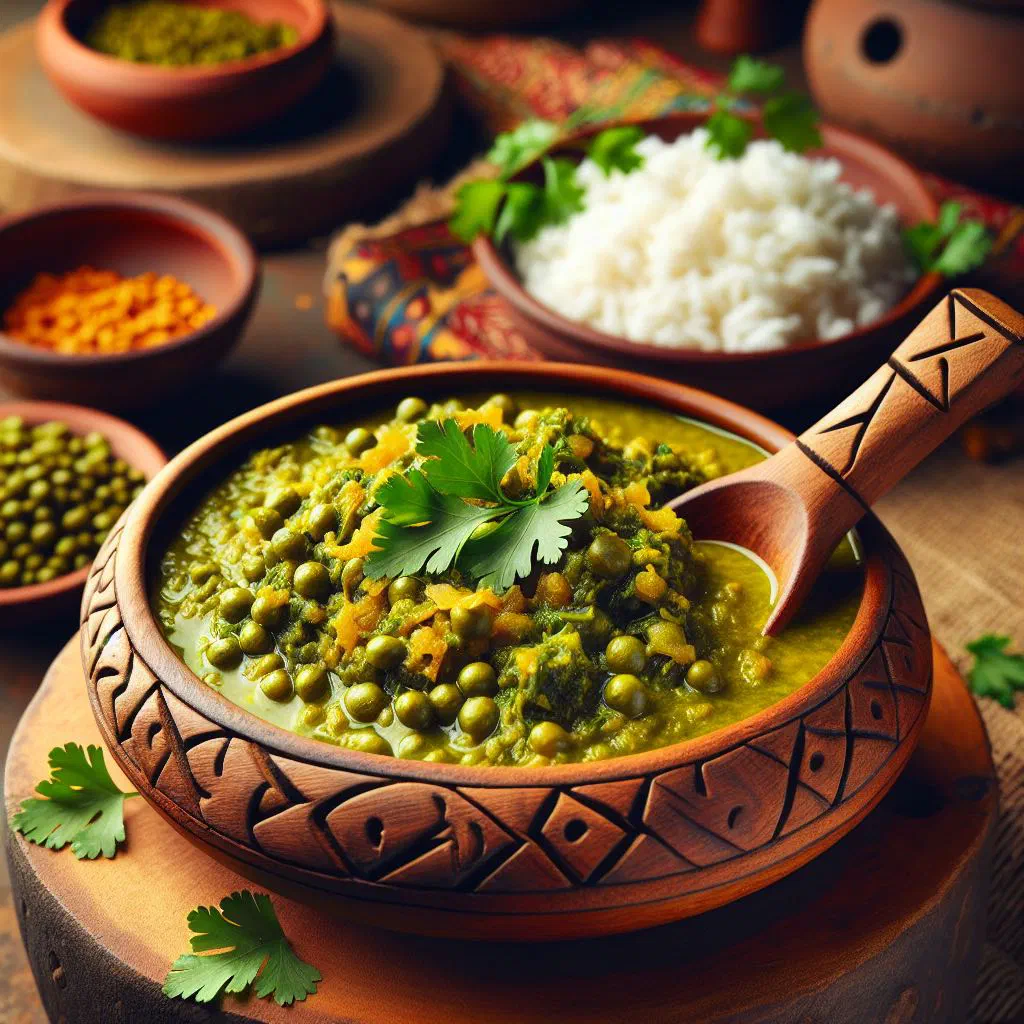
Say hello to Ndengu Curry, a warming Kenyan classic built around humble green mung beans. Gently spiced, generously creamy with coconut milk and full of good things, it is the kind of everyday dish that quietly wins people over. It is naturally plant-based, easy on the budget and ready in well under an hour, a proper taste of Kenya on a weeknight plate.
About Ndengu Curry
Ndengu curry is a flavourful and nourishing dish that captures the traditional aromas of Kenya. Its star ingredient, green mung beans, is rich in protein, fibre and vitamins. The recipe suits vegetarians perfectly, but it also appeals to anyone who enjoys wholesome, gently exotic cooking. The combination of warming spices and vegetables gives ndengu curry a character all of its own, equally at home at a family supper or a special occasion.
Ingredients (serves 1–2)
- 200 g green mung beans
- 1 onion, finely chopped
- 2 cloves of garlic, chopped
- 1 piece of ginger, grated
- 1 tomato, diced
- 1 teaspoon curry powder
- 1 teaspoon cumin
- 1 teaspoon turmeric
- 200 ml coconut milk
- Salt and pepper to taste
- Fresh coriander, to garnish
Shopping for the ingredients
To cook ndengu curry, look for your ingredients in a well-stocked supermarket or a specialist Asian or African grocery. Choose fresh spices and organic coconut milk where you can. It makes a noticeable difference to the depth of flavour. Green mung beans are often sold in large packs, which is no bad thing given how well they keep. Where possible, buy from local suppliers to be sure of the freshness of your produce.
Preparing the dish
Before you start cooking, wash the mung beans thoroughly and leave them to soak for about 30 minutes. This shortens the cooking time considerably and makes the finished dish easier to digest. While the beans soak, prepare your vegetables by finely chopping the onion, garlic and ginger. Getting everything ready in advance makes the cooking itself far smoother and quicker, much as it does with a pot of Maharagwe.
Step-by-step instructions
- Heat a little oil in a pan and add the chopped onion. Fry until translucent.
- Add the garlic and ginger and fry for a further minute.
- Stir in the diced tomato along with the curry powder, cumin and turmeric.
- Add the soaked mung beans and pour in the coconut milk.
- Simmer gently over a low heat for 20–25 minutes, until the beans are tender.
- Season with salt and pepper and garnish with fresh coriander.
Gluten-free / lactose-free version
Ndengu curry is naturally gluten-free and lactose-free, as it contains no wheat or dairy products. Even so, it is worth checking the labels on the products you use, spice blends in particular, to be sure they carry no unwanted additives. Coconut milk is an excellent stand-in for the creamy ingredients that would normally bring lactose into a dish. That makes this curry a wonderfully flexible option for anyone with intolerances.
Tips for vegans and vegetarians
Ndengu curry is a perfect dish for vegans and vegetarians, since every ingredient is plant-based. To make it even more generous, stir in extra vegetables such as spinach or carrots to boost the nutritional value. Different salts and spice combinations open up a whole range of flavour directions, and a handful of the dark greens used in Sukuma Wiki works beautifully here too. Do experiment with fresh herbs to shape the dish to your own taste.
More tips and tricks
For an even tastier ndengu curry, soak the beans overnight: it cuts the cooking time and improves digestibility. It is also well worth toasting the spices briefly in a dry pan before you begin, which deepens their aroma considerably. If you like a bit of heat, add a little chilli powder or a fresh chilli. Finally, a portion of rice or quinoa rounds the curry off nicely, as does a piece of warm Chapati for mopping up the sauce.
Adapting the recipe to your taste
The adaptability of ndengu curry is one of its great strengths. Depending on your preferences, you can add all sorts of vegetables or vary the spices entirely. Some cooks prefer a creamier consistency, others like the sauce a little looser. Do not be shy about experimenting with the quantity of spices and other ingredients until you find the balance that suits you best.
Ingredient substitutions
If you have no green mung beans to hand, lentils or black beans make a good replacement. The coconut milk can likewise be swapped for vegetable stock if you would like a lighter, less calorific result. For a richer, more velvety texture, stir in crushed almonds or pecans, which add flavour as well as a pleasing crunch. Play around with different versions until you have a recipe that feels entirely your own.
Drink pairing ideas
Ndengu curry goes best with light, fruity drinks such as mango juice or a fresh lemonade, both of which balance the spices neatly. A glass of crisp white wine or a light red also complements the aromas well. For an alcohol-free option, coconut water or a fresh herbal tea is refreshing and works a treat, as does a mug of spiced Chai. Enjoy the pairing to round off the whole experience.
Serving and presentation ideas
Presentation can lift your ndengu curry considerably. Serve it in an attractive bowl and decorate with fresh herbs such as coriander or parsley. A few lemon slices add a welcome flash of colour. Pair the curry with a bright salad, a fresh Kachumbari is ideal, or with rice, to create an appealing contrast on the plate.
A bit of history
Ndengu curry has its roots in traditional Kenyan cooking, where mung beans have long been prized as an affordable source of protein. The dish is nourishing and tells a story of cultural exchange and culinary variety. Its blend of spices reflects the many influences that meet in Kenya, from the Swahili coast to the interior. Over the years the recipe has evolved and grown popular both regionally and internationally, and it remains one of the friendliest introductions to Kenyan cuisine.
More recipe ideas
Summary: Ndengu Curry
Ndengu curry is a versatile and nourishing dish that brings the delicious flavours of Kenya into your kitchen. Made with simple ingredients, it suits both vegetarians and vegans and is easily adjusted to personal taste. The preparation is straightforward and leaves plenty of room for creative experimenting with spices and vegetables. Enjoy this lovely curry and bring a touch of Africa straight to your own table.