National Dish Kenya: Njahi Stew (Recipe)
In this article
Discover Njahi Stew, one of Kenya’s most nourishing everyday classics. Built around the black beans known locally as njahi, this gently spiced stew is hearty, wholesome and every bit as satisfying as it is simple. It is a natural favourite among vegetarians, and a lovely way to bring a piece of East African cooking into your own kitchen. Warm, comforting and endlessly adaptable. This is a dish worth returning to again and again.
About Njahi Stew
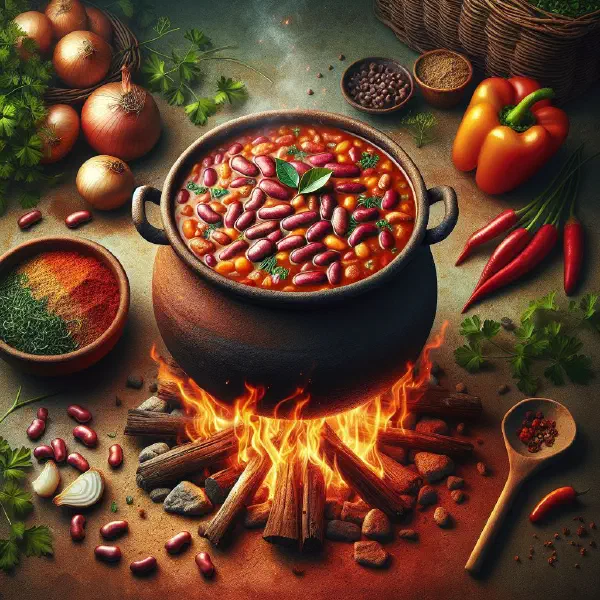
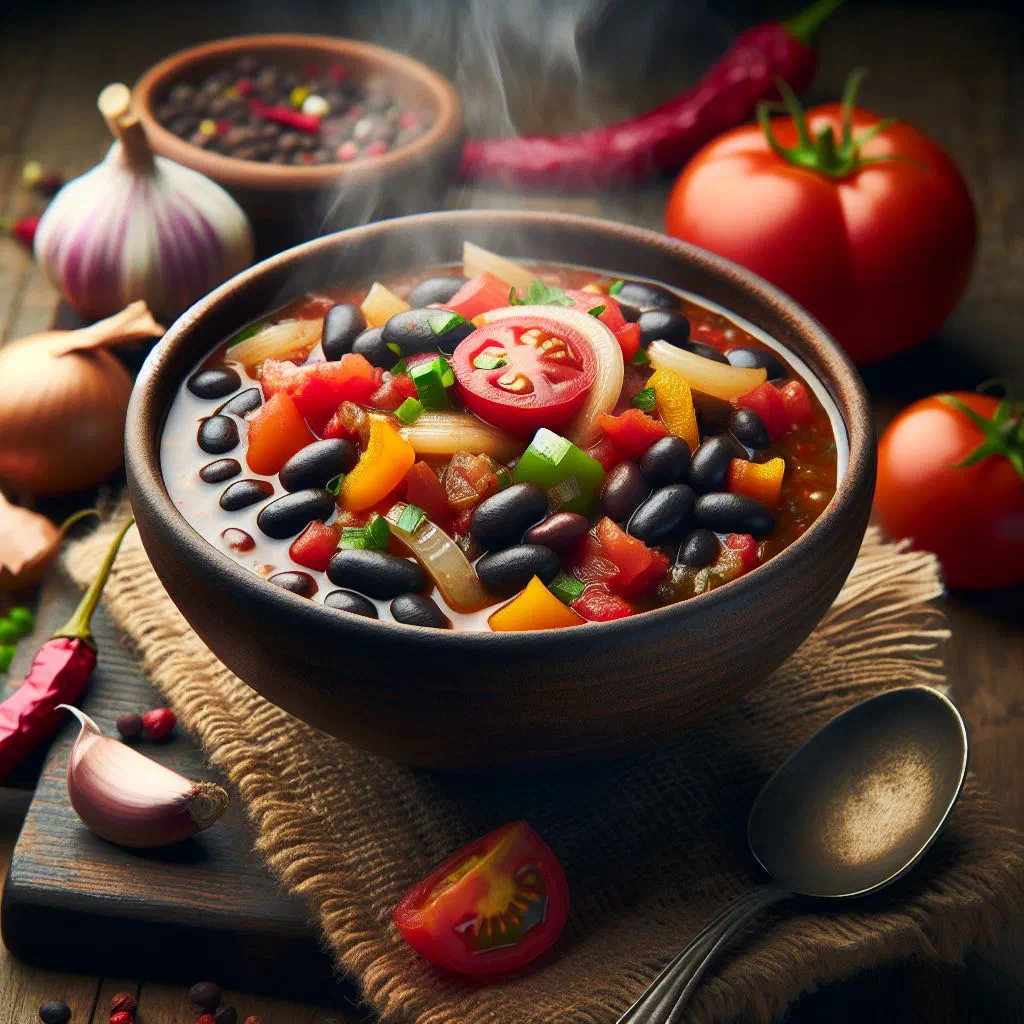
Njahi Stew is a traditional Kenyan dish celebrated for its savoury depth and its impressive nutritional value. The star ingredient is the black bean, known throughout Kenya as njahi. The stew is hearty and filling and wonderfully versatile and easy to put together. Ideal for vegetarians, Njahi Stew offers a genuine taste of African culinary culture without asking anything complicated of the cook.
Ingredients (serves 1–2)
- 200 g black beans (njahi)
- 1 onion, diced
- 2 cloves of garlic, chopped
- 1 tomato, diced
- 1 teaspoon grated ginger
- 2 carrots, sliced
- 1 pepper, diced
- 1 teaspoon cumin
- 1 teaspoon paprika
- 2 tablespoons vegetable oil
Shopping for the ingredients
Shopping for Njahi Stew works just as well at a supermarket as it does at a weekly market. The black beans in particular should be fresh and of good quality, since they form the entire backbone of the dish. Fresh fruit and vegetables improve the flavour and the nutritional density of the finished stew. Where you can, look for regional produce. It keeps the ecological footprint of your meal pleasingly small.
Preparing the dish
Preparing Njahi Stew is refreshingly straightforward. Begin by soaking the black beans overnight, which shortens the cooking time and makes them easier to digest. While the beans are soaking, you can prepare the vegetables and chop everything into small, even pieces. Good preparation is the key to keeping your cooking time short and the whole process running smoothly.
Step-by-step instructions
- Put the soaked black beans in a pan with 500 ml of water and bring to the boil.
- Reduce the heat and simmer for 30–40 minutes, until the beans are tender.
- In a second pan, heat the vegetable oil and sweat the onion until translucent.
- Add the garlic, ginger and diced vegetables, and fry for a few minutes.
- Stir in the cooked beans, season with cumin and paprika, and mix well.
- Simmer for a further 10–15 minutes, adding water as needed to reach the consistency you like.
- Garnish with fresh herbs and serve.
Gluten-free / lactose-free version
Njahi Stew is naturally gluten-free and lactose-free, which makes it an excellent choice for anyone with food intolerances. None of the ingredients in this recipe contain gluten or dairy. To be completely certain the dish stays gluten-free, check the labels on your spices and oils, some blends carry unexpected additives. Beyond that, you can tuck in with a clear conscience.
Tips for vegans and vegetarians
As well as being ideal for vegetarians, Njahi Stew is perfectly suited to a vegan diet. Simply make sure every ingredient you reach for is plant-based, and you have a nourishing, flavourful meal. The combination of beans and vegetables provides a well-balanced source of protein. The recipe also takes happily to other vegetables or spices, so you can shape it to whatever flavours you fancy, much as you would with a bowl of Maharagwe.
More tips and tricks
One reliable trick with Njahi Stew is to let it rest overnight, which allows the flavours to deepen and settle. Adding fresh herbs such as coriander or parsley brings extra brightness and colour to the bowl. Experiment with different vegetables to give the stew your own twist. And if you like a bit of heat, a pinch of chilli flakes stirred in near the end does the job nicely.
Adapting the recipe to your taste
Njahi Stew is a remarkably accommodating dish and adapts easily to personal preference. The base stays the same, but the vegetables can change with the season or with whatever happens to be available. The spices are just as flexible. Try curry powder or garam masala for a different character. That adaptability makes the stew a good option for families, since everyone can bring their own taste to the table.
Ingredient substitutions
If some of the ingredients do not appeal or are simply not to hand, there are plenty of alternatives. Kidney beans or red lentils both work well in place of the black beans. Courgette or broccoli can stand in for the carrots and pepper, and if you want something greener still, the leafy approach of Sukuma Wiki is worth borrowing. These variations let you rediscover Njahi Stew again and again, so let your imagination run free.
Drink pairing ideas
A number of drinks pair beautifully with a bowl of Njahi Stew. A freshly brewed Kenyan coffee is a natural match, as is a cup of spiced Chai if you prefer something warming. African fruit juices such as mango juice, or a cooling hibiscus tea, complement the stew’s earthy notes rather well. For those who like an alcoholic pairing, a light beer or a fruity white wine sits comfortably alongside.
Serving and presentation ideas
Presentation matters more than people often assume. Serve Njahi Stew in an attractive bowl and garnish generously with fresh herbs. A side of rice or flatbread rounds the meal out nicely, and a portion of Ugali is the traditional Kenyan accompaniment. Arranging the different vegetables so their colours show makes the dish even more inviting, and everyone at the table eats with their eyes first.
A bit of history
Njahi Stew has a long history in Kenyan cooking and is often served at family celebrations and on special occasions. The dish reflects the cultural variety of Kenya, drawing together influences from a number of different regions and forming part of the wider tradition of Kenyan cuisine. For generations, njahi has been valued as a nourishing and genuinely filling food. In modern Kenya it remains a quiet symbol of community and belonging.
More recipe ideas
Summary: Njahi Stew
Njahi Stew is not only a tasty and nourishing dish but a genuine addition to any kitchen looking for new and exciting flavours. Its healthy profile and the sheer number of ways it can be adapted make it a recipe that suits almost everyone. Enjoy the flavours of Kenya at home and share this delicious stew with friends and family. Whether for a special occasion or a relaxed evening meal, Njahi Stew is always an excellent choice.