National Dish Kenya: Sukuma Wiki (Recipe)
In this article
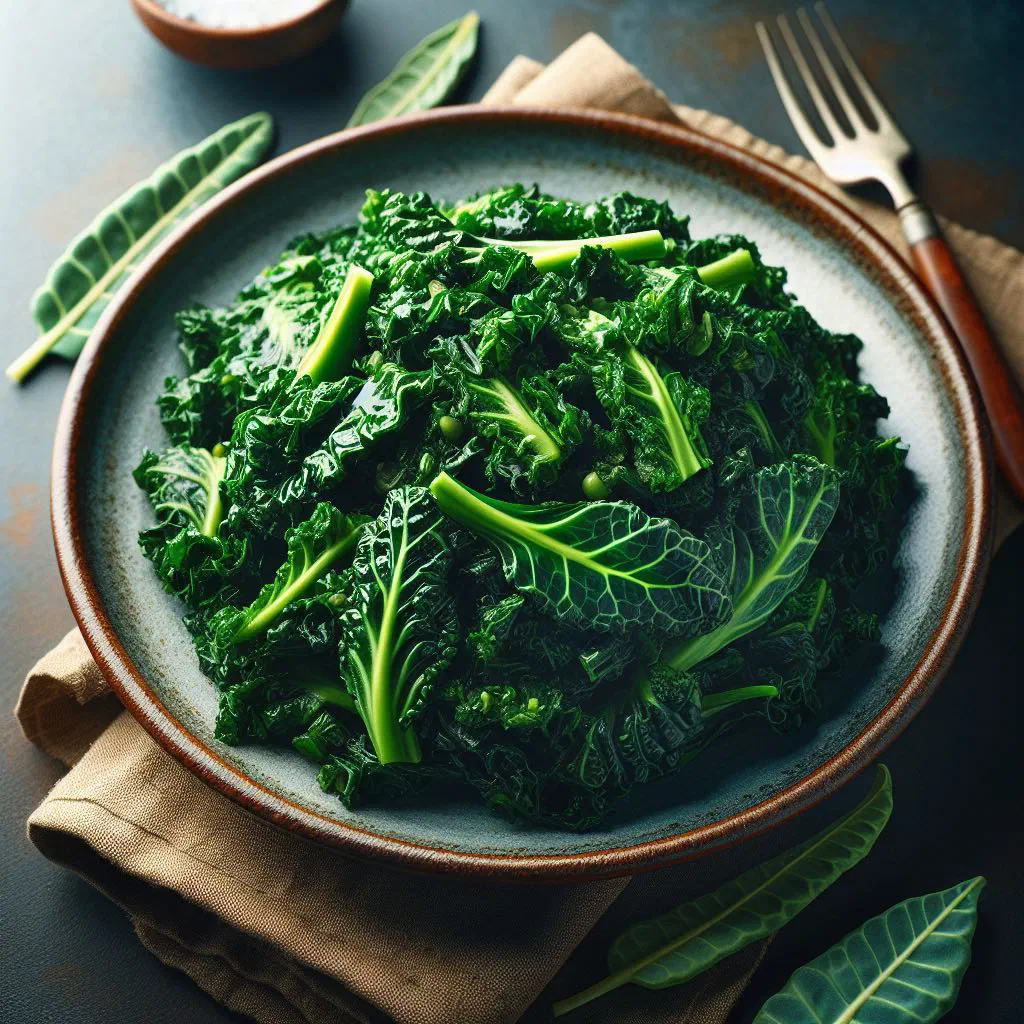
Meet Sukuma Wiki, the leafy green braise that turns up on Kenyan tables almost every day of the week. Tender collard greens are cooked down with sweet onions, ripe tomatoes and garlic until they turn silky and deeply savoury. It is thrifty, nourishing and quick, a side dish that regularly steals the show from whatever it is served beside. One pan and a handful of everyday ingredients are all you need.
About Sukuma Wiki
Sukuma Wiki is a traditional Kenyan dish built almost entirely around collard greens (kale works just as well). The name comes from Swahili and translates roughly as “stretch the week”, a nod to how cheaply and reliably this dish fills a plate from Monday to Sunday. It is healthy, full of flavour and genuinely easy to make, which explains why it appears alongside so many Kenyan staples, most famously with Ugali. Few dishes say more about everyday cooking in Kenya than this one.
Ingredients (serves 1–2)
- 2 cups chopped collard greens or kale
- 1 medium onion, finely chopped
- 2 tomatoes, diced
- 2 cloves of garlic, chopped
- 1 tablespoon vegetable oil
- Salt and pepper to taste
- Optional: 1 chilli, chopped
Shopping for the ingredients
Everything you need for sukuma wiki is available in most supermarkets and at any decent weekly market. Look for fresh, firm greens with a deep colour and for ripe tomatoes, as these two do nearly all the work in terms of flavour. If you want a more authentic result, African grocery shops often stock the specific varieties of greens used in Kenya, along with the small hot chillies that give the dish its bite.
Preparing the dish
Wash the greens thoroughly and cut them into thin strips, discarding any tough stalks. Finely chop the onion, the garlic and, if you are using it, the chilli, then dice the tomatoes. With everything laid out and ready, the dish comes together in a matter of minutes on the hob.
Step-by-step instructions
- Heat the vegetable oil in a large frying pan over a medium heat.
- Add the chopped onions and fry until soft and lightly golden.
- Stir in the garlic and chilli and fry briefly until fragrant.
- Add the diced tomatoes and let everything simmer for about 5 minutes, until the tomatoes have broken down.
- Add the chopped greens to the pan and mix them thoroughly through the other ingredients.
- Continue cooking, stirring occasionally, until the greens are tender.
- Season to taste with salt and pepper.
Gluten-free / lactose-free version
Sukuma wiki is naturally gluten-free and lactose-free. There is no flour, no butter and no dairy anywhere in the recipe. The only thing to watch is what you serve it with: stick to naturally gluten-free partners such as ugali or rice rather than Chapati, which is made with wheat flour. Cook the greens in oil rather than butter and the dish suits almost any dietary requirement without a single compromise on flavour.
Tips for vegans and vegetarians
Sukuma wiki is already vegan and vegetarian as it stands, which is part of its appeal. If you would like to make it more substantial, stir in beans or diced tofu towards the end of cooking, a trick borrowed from dishes such as Maharagwe. A spoonful of nutritional yeast adds a savoury, almost cheesy depth that works surprisingly well with the greens.
More tips and tricks
Carrots or peppers can be added alongside the greens to make the pan more colourful and more nutritious. Fresh herbs such as coriander or parsley, scattered in right at the end, lift the whole dish. Avoid overcooking the greens: they should stay tender but still have a little life in them rather than collapsing into mush.
Adapting the recipe to your taste
This recipe is remarkably forgiving and easy to bend to your own preferences. If you like heat, add more chillies, or leave them out altogether for a gentler, family-friendly version. Some cooks add a splash of stock for a looser, more stew-like result, while others fry the greens harder for a drier finish with a touch of caramelisation around the edges.
Ingredient substitutions
If collard greens are hard to find, spinach or Swiss chard step in perfectly well, though spinach cooks far more quickly, so add it later. Tinned tomatoes can replace fresh ones out of season, and if you would rather skip the garlic, simply leave it out or use a pinch of onion powder instead. Substitutions like these keep the dish practical whatever your shopping basket looks like.
Drink pairing ideas
Sukuma wiki goes beautifully with something warm and gently spiced, a ginger tea or a milky Kenyan Chai are both natural companions. For a cold option, a lime and ginger iced tea cuts through the richness of the oil nicely. Plain water with a wedge of lemon is the everyday choice in most Kenyan homes, and it does the job perfectly.
Serving and presentation ideas
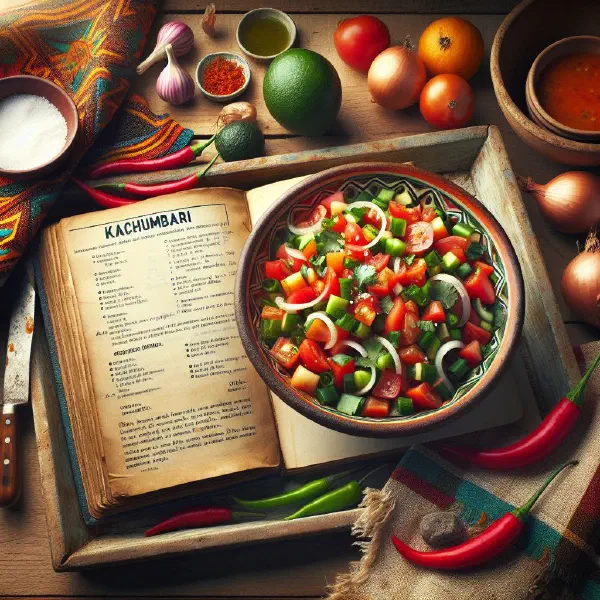
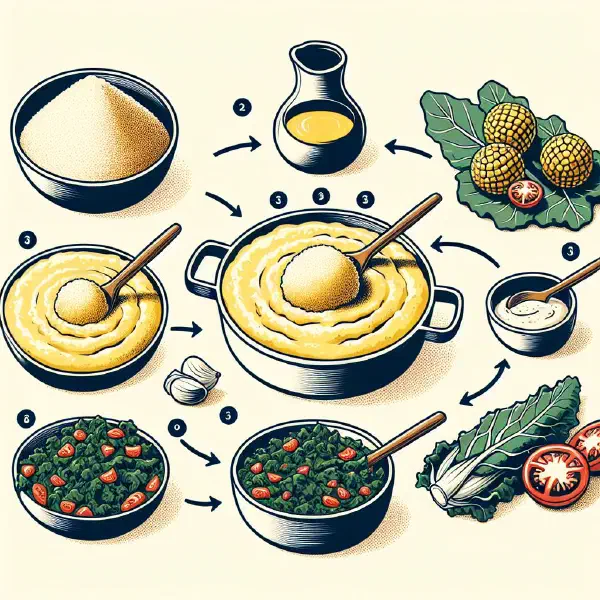
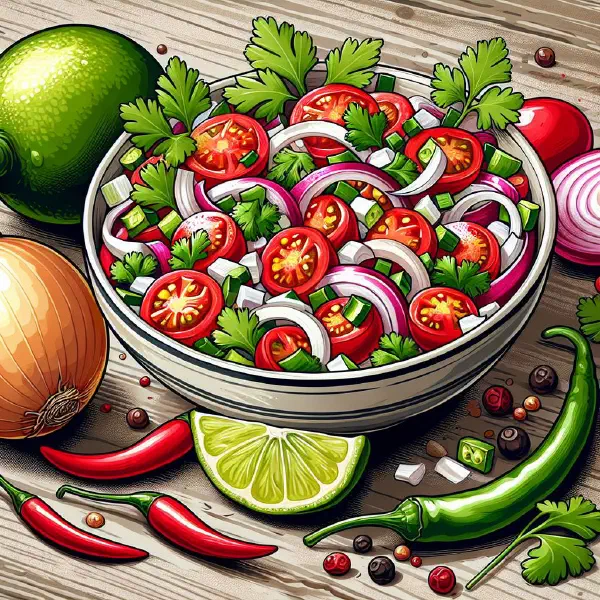
Serve the sukuma wiki in an attractive bowl and garnish it with freshly chopped coriander or parsley for a splash of green. A squeeze of lemon juice just before it reaches the table brings welcome brightness. Placed next to a mound of pale ugali or a fresh tomato and onion salad, the deep green of the leaves looks striking and makes for a genuinely inviting spread.
A bit of history
Sukuma wiki has its roots in everyday Kenyan cuisine, where it functions as a true staple rather than an occasional treat. The literal meaning of the name, “stretch the week”, tells you exactly how it earned its place: it makes modest ingredients go a long way and turns them into something nourishing and tasty. Over generations it has become one of the dishes most closely associated with home cooking in Kenya, served daily from Nairobi kitchens to rural homesteads.
More recipe ideas
Summary: Sukuma Wiki
Sukuma wiki is simple, healthy and endlessly adaptable, the sort of dish every cook should have in their repertoire. The ingredients are easy to find, the method is straightforward and the result is far greater than the sum of its parts. It delivers honest, satisfying flavour. Try it once and this Kenyan classic will very likely become a regular in your own kitchen.