National Dish Kiribati: Babai Stew (Recipe)
In this article
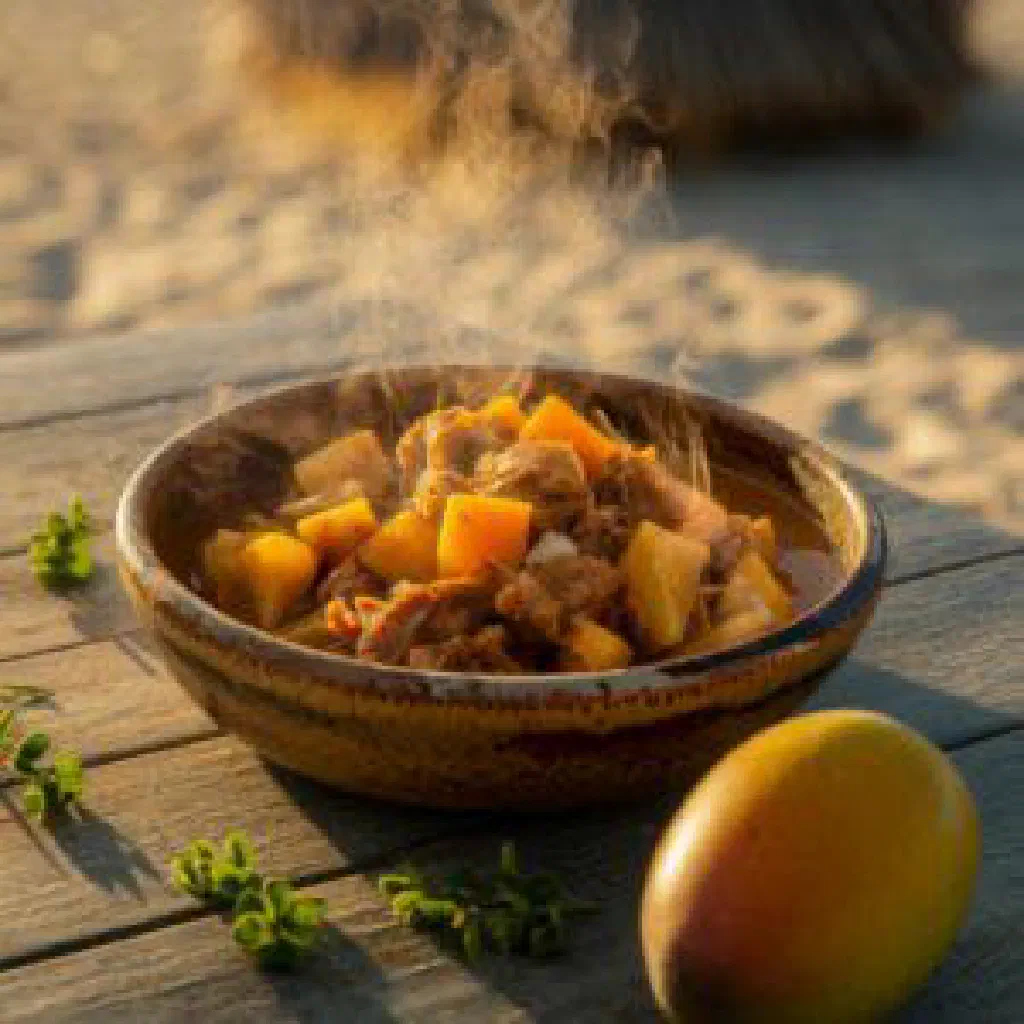
Say hello to Babai Stew, a dish that carries the warm, sun-soaked flavours of Kiribati straight to your table. This gentle island stew brings together tender sweet potato, creamy coconut milk and flaky fresh fish for a bowl that feels both nourishing and quietly exotic. Often cooked for celebrations and family gatherings, it is the sort of comfort food that turns an ordinary meal into a small taste of the South Pacific.
About Babai Stew
Babai Stew is a traditional dish from Kiribati that captures the essence and the flavours of the tropical islands. It is frequently prepared for festive occasions and family celebrations, and it is known for its combination of fresh, simple ingredients. The harmony of sweet potato, coconut milk and tender fish makes this a distinctive and memorable eating experience. If you are longing for something a little different, Babai Stew is exactly the dish to reach for.
Ingredients (serves 1–2)
- 400 g sweet potatoes
- 200 ml coconut milk
- 250 g fresh fish (such as tuna or snapper)
- 1 onion
- 2 cloves of garlic
- 1 lime
- 1 tsp fresh ginger, grated
- Salt and pepper to taste
- Fresh coriander, to garnish
Shopping for the ingredients
The ingredients for Babai Stew are easy to find in most supermarkets or at a fresh produce market. Look for good-quality sweet potatoes and the freshest fish you can source to guarantee the best flavour. Coconut milk is usually stocked in the international aisle or at Asian grocery shops. And don’t forget to pick up fresh herbs such as coriander for the finishing garnish.
Preparing the dish
Before you start cooking, it pays to prepare all the ingredients thoroughly. Peel and dice the sweet potatoes, and cut the fish into bite-sized pieces. Finely chop the onion and garlic so they release their full aroma during cooking. The dish needs only simple preparation, so you can have everything ready in very little time.
Step-by-step instructions
- Bring the sweet potatoes to the boil in a pan of water and cook for about 10 minutes, until tender.
- Heat a little oil in a frying pan and sauté the onion and garlic until golden brown.
- Add the grated ginger and fry briefly to release its aroma.
- Add the fish and cook for around 5 minutes, until just done.
- Pour in the coconut milk and stir everything together well.
- Season with salt, pepper and the juice of one lime.
- Gently fold in the cooked sweet potatoes and let the stew simmer for a few minutes.
- Garnish with fresh coriander and serve.
Gluten-free / lactose-free version
Babai Stew is naturally gluten-free and lactose-free, as it is built on fresh, wholesome ingredients. Using coconut milk in place of dairy makes it an ideal choice for anyone with a lactose intolerance. To be sure no hidden sources of gluten sneak in, check the labels when buying your ingredients.
Tips for vegans and vegetarians
For a vegan or vegetarian take on Babai Stew, simply swap the fish for tofu or vegetables. You can build up the texture and flavour by adding different vegetables such as carrots, courgettes or mushrooms. Just adjust the cooking time accordingly so the vegetable additions cook through nicely and develop their aroma. The result stays light, fresh and wholesome, much like the plant-forward Breadfruit Curry.
More tips and tricks
If you’d like to vary the recipe for Babai Stew, try adding a splash of seasoned stock or a little fresh chilli for extra warmth. A squeeze of lime juice right at the end sharpens the flavour and lends a lovely freshness. Experiment with different varieties of sweet potato, or find the blend of herbs that best suits your taste.
Adapting the recipe to your taste
The beauty of Babai Stew lies in its flexibility. Depending on your personal taste, you can adapt the dish by using different types of fish or swapping the sweet potatoes for other starchy vegetables. Spices such as cumin or coriander can also be added for an even deeper flavour.
Ingredient substitutions
If one of the ingredients is not to hand, there are plenty of alternatives to fall back on. Instead of fresh fish, tinned fish can work too, even if the flavour differs slightly. Equally, you can use peas or beans as a protein source if you’d like to keep the dish vegan, much as you might in a lighter riff on Coconut Crab Curry.
Drink pairing ideas
For the full experience, it is worth pairing Babai Stew with a refreshing drink. Coconut water or a homemade lemonade with mint and lime is a perfect match. A light white wine or a fruity sangria can also make an interesting accompaniment. The key is to balance the flavours so they round out your meal beautifully.
Serving and presentation ideas
The way you present Babai Stew can win your guests over before the first mouthful. Serve the dish in tropical bowls and garnish generously with fresh coriander and lime wedges to create an inviting contrast. You might also decorate the plate with colourful vegetables or edible flowers. A lovely presentation makes the whole culinary experience memorable.
A bit of history
Babai Stew is more than a recipe; it is part of the rich culinary history of Kiribati. Traditionally it is prepared in the villages, where families gather for festive occasions. The ingredients reflect the produce available in the region and show how closely nature shapes the local kitchen. By cooking this dish you step into the culture and traditions of the i-Kiribati people and taste a piece of their heritage, a fine window onto Kiribati cuisine.
More recipe ideas
Summary: Babai Stew
Babai Stew is a delicious, hearty dish that brings the flavours of Kiribati into your home. With its fresh ingredients and endless room for adaptation, it is a treat for the palate and a cultural experience. Give yourself the chance to enjoy a little slice of the South Pacific at your own table.