National Dish Kiribati: Coconut Crab Curry (Recipe)
In this article
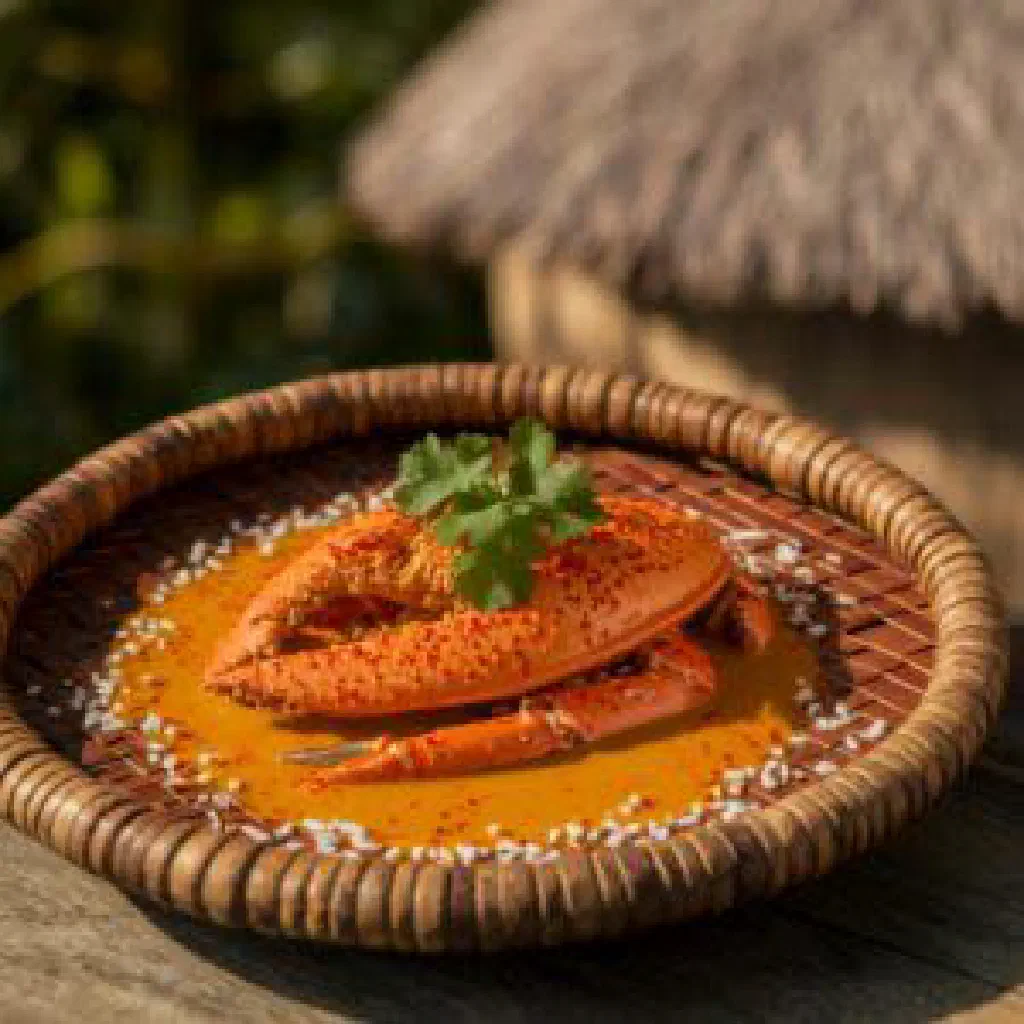
Coconut Crab Curry uses a crab that climbs trees. The coconut crab is the largest land arthropod on earth, it cracks coconuts with its claws, and it tastes of what it eats. In Kiribati it is a delicacy, and it is also under pressure from overharvesting.
About Coconut Crab Curry
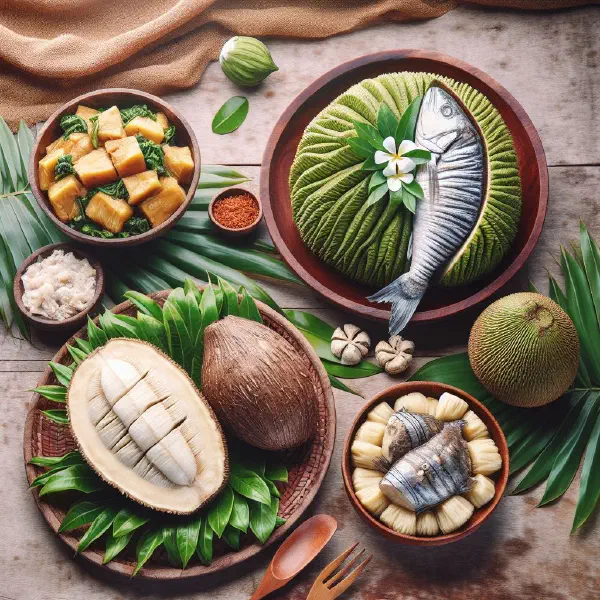
Kiribati is 33 atolls scattered across a huge area of the central Pacific, with almost no soil and no rivers. Coconut, fish, breadfruit and pandanus are what there is. The coconut crab, Birgus latro, is the celebration food.
The curry is a later influence, arriving through trade and colonial contact, but coconut milk with seafood is entirely local.
Ingredients (serves 1–2)
- 300 g king crab (cooked and picked)
- 1 small onion, diced
- 2 cloves garlic, chopped
- 1 red chilli, deseeded and chopped
- 400 ml coconut milk
- 1 tsp curry powder
- 1 tsp fish sauce
- Juice of 1 lime
- Fresh coriander, to garnish
- Salt and pepper, to taste
Shopping for the ingredients
Coconut crab is protected in many places and should not be sought out; king crab, brown crab or blue swimmer are the responsible substitutes and the recipe already assumes one. Buy picked crab meat from a fishmonger. Full-fat coconut milk, and fresh lime rather than bottled juice.
Preparing the dish
Pick over the crab meat for fragments of shell, which is worth doing carefully. Everything else is chopping. The dish takes fifteen minutes once the pan is on, so have it all ready.
Step-by-step instructions
- Heat a little oil in a pan and fry the onions until translucent.
- Add the garlic and chilli and cook for a further minute.
- Stir in the curry powder and mix well.
- Pour in the coconut milk and bring the mixture to a gentle simmer.
- Add the king crab and let the curry simmer for about 10 minutes.
- Finish the dish with fish sauce, lime juice, salt and pepper.
- Serve the curry hot, garnished with fresh coriander.
Gluten-free / lactose-free version
The dish contains no dairy, since coconut milk does the enriching. Check the curry powder and fish sauce for wheat, and it is otherwise naturally gluten-free.
Tips for vegans and vegetarians
Hearts of palm or young jackfruit take the coconut curry base well. Breadfruit is the more authentic Kiribati choice and breadfruit curry is a real dish rather than a substitution. Use a vegan fish sauce.
More tips and tricks
Add the crab at the end and warm it through rather than cooking it, since it is already cooked and overheating turns it stringy. Keep the coconut milk below a boil. And add the lime off the heat so it stays sharp.
Adapting the recipe to your taste
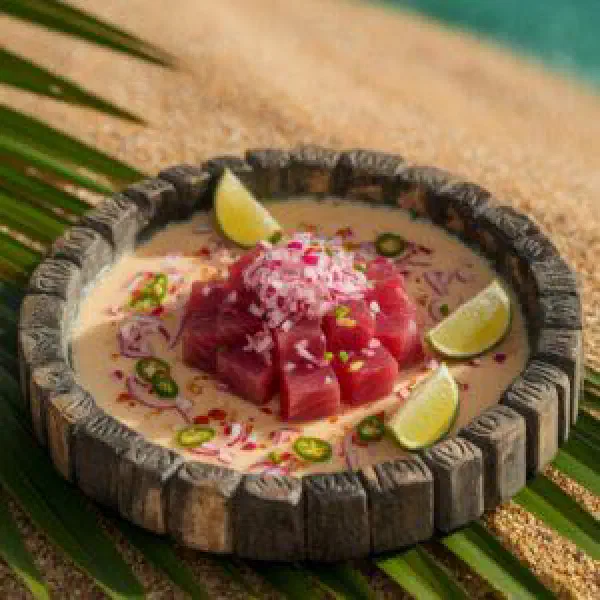
Pandanus or ginger add local character. More chilli suits it. Ika mata, the lime-cured raw fish, is the other Kiribati seafood classic and makes a good starter to this.
Ingredient substitutions
Any crab works; prawns are the easy alternative. Coconut cream gives a richer sauce. Lemon replaces lime.
Drink pairing ideas
Fresh coconut water, of which Kiribati has a great deal. Kaokioki, the fermented coconut toddy, is the traditional local drink. A crisp white wine works at a table.
Serving and presentation ideas
Serve it in bowls with rice or boiled breadfruit, coriander scattered over and lime wedges alongside. It is rich, so portions are modest. Coconut rice on the side doubles down pleasantly.
A bit of history
Kiribati straddles the equator and the international date line and has one of the most limited natural larders on earth. Its cooking is built almost entirely on coconut, fish and a handful of root and tree crops. Sea level rise now threatens the atolls directly, which gives the question of what Kiribati cuisine is a sharper edge than usual.
More recipe ideas
Summary: Coconut Crab Curry
Coconut crab curry is picked crab warmed through a coconut and chilli sauce, finished with lime. Use a sustainable crab, add it at the end, and keep the coconut milk below a boil.