National Dish Kiribati: Te Inai (Recipe)
In this article
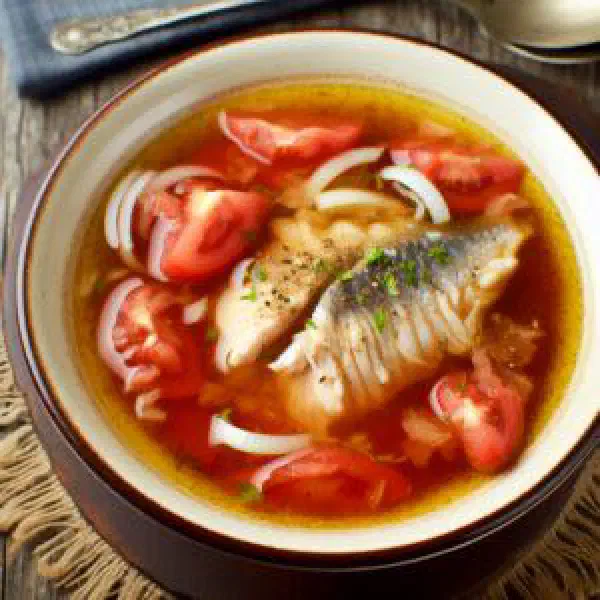
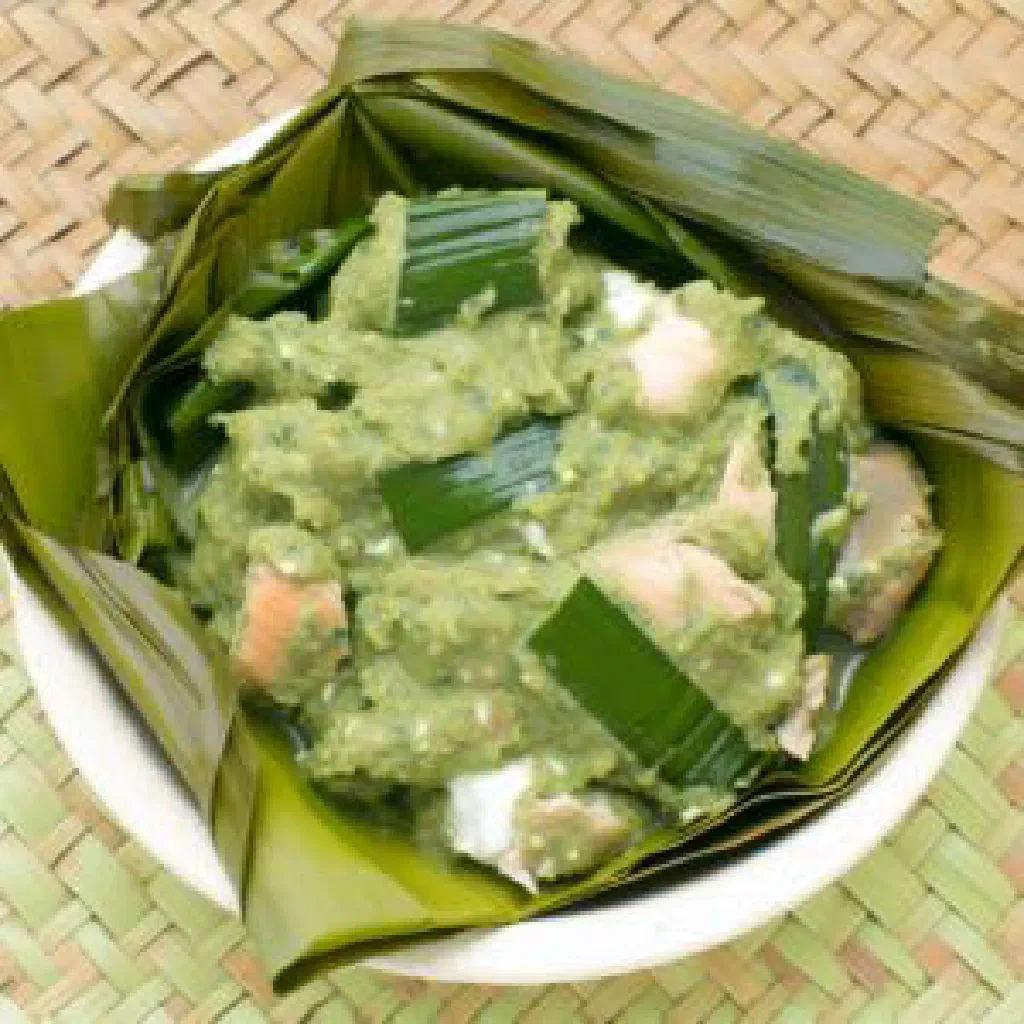
Meet Te Inai, the national dish of Kiribati and a true taste of the Pacific. This simple, sunlit recipe brings together fresh fish and coconut milk, lifted by lime and a handful of aromatic herbs. It is the kind of unfussy island cooking that suits both a special occasion and an everyday supper, letting the clean flavours of the sea shine through. One forkful and you will feel the warmth and culture of these scattered coral atolls land right on your plate.
About Te Inai
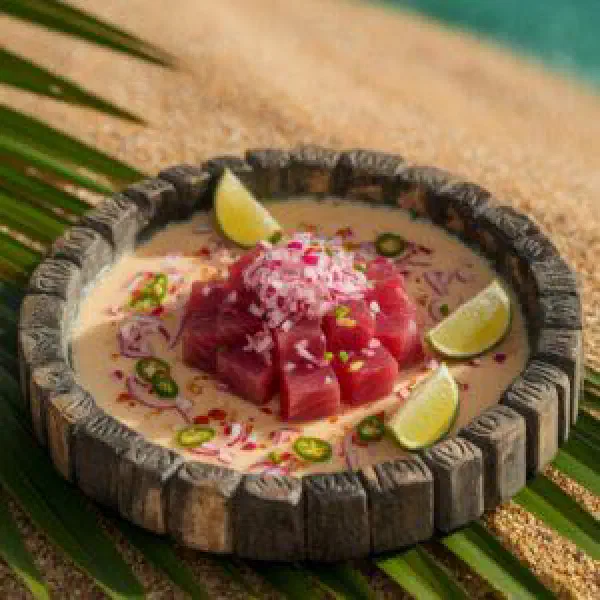
Te Inai is the national dish of Kiribati and captures the culinary identity of this small Pacific nation. The recipe puts fresh fish and coconut milk front and centre, and together with a few local spices they form a harmonious, deeply flavourful combination. The preparation is refreshingly straightforward, which makes Te Inai an ideal choice for special gatherings as well as for everyday meals. A single bite of this delicious dish lets you experience the flavours and the culture of Kiribati directly on your plate, much like the fresh, citrus-marinated Ika Mata.
Ingredients (serves 1–2)
- 250 g fresh fish (e.g. tuna or mackerel)
- 200 ml coconut milk
- 1 onion, finely chopped
- 1 lime, juice and zest
- 1 small chilli, chopped (optional)
- 4 tbsp fresh herbs (e.g. coriander or parsley)
- Salt and pepper, to taste
Shopping for the ingredients
When shopping for Te Inai, pay close attention to the freshness of the fish, as it guarantees the best flavour. Visit a local fish market or a trusted fishmonger to make sure the fish is of high quality. A good selection of fresh herbs and spices matters just as much, since they enrich the dish with their aroma. If you cannot find fresh herbs, dried herbs will do at a pinch, even if they do not offer quite the same depth of flavour.
Preparing the dish
To prepare Te Inai, careful groundwork helps the flavours come into their own. Begin by cutting the fish into small cubes so it cooks evenly and absorbs the coconut milk well. The onion and chilli should be finely chopped, as they lend the dish an aromatic depth. It can also help to roll the lime briefly before juicing it, which makes the juice far easier to extract.
Step-by-step instructions
- Place the cubed fish in a bowl and marinate with salt, pepper and the lime juice. Leave to stand for about 10 minutes.
- In a pan, sauté the onion and chilli in a little oil until softened.
- Add the marinated fish and fry briefly until it is lightly cooked.
- Pour in the coconut milk and let everything simmer over medium heat for about 5–7 minutes, until the fish is cooked through.
- Stir in the fresh herbs and season the dish to taste with a little extra lime juice.
Gluten-free / lactose-free version
Te Inai is naturally gluten-free and lactose-free, as the main ingredients contain neither gluten nor dairy. For anyone with allergies or intolerances, though, it is worth making sure every ingredient really does meet those requirements. When buying coconut milk, check that no other additives or preservatives that might contain gluten have been included. That makes this dish an excellent choice for anyone who prefers a gluten- and lactose-free diet.
Tips for vegans and vegetarians
For vegans and vegetarians, Te Inai can easily be adapted by swapping the fish for a plant-based protein such as tofu or tempeh. You could also enrich the dish with extra vegetables such as courgette or peppers for more texture and flavour, in the spirit of the hearty Breadfruit Curry. Take care to adjust the marinade and cooking times to get the results you want. These tweaks bring fresh flavours to the dish while keeping its original character intact.
More tips and tricks
Good planning is key to preparing Te Inai successfully at home. Prep and chop the ingredients in advance to speed up the cooking process and keep things stress-free. Experiment with different herbs and spices to suit your own taste. A touch of ginger or garlic, for example, can add an interesting flavour note. Do not be afraid to play with the quantities and adapt the recipe to your liking.
Adapting the recipe to your taste
One of the great advantages of making Te Inai is the flexibility to tailor the recipe to your own preferences or to whatever ingredients you have on hand. You might vary the type of fish, for instance, depending on what is in season or on offer. The herbs can be changed just as easily to work in regional produce or personal tastes. Adjustments like these let you keep Te Inai fresh and exciting every time.
Ingredient substitutions
If you cannot find some of the ingredients for Te Inai, there are plenty of alternatives that deliver equally good results. Instead of fresh fish you can use tinned fish or even plant-based alternatives. Coconut milk can be swapped for other plant-based milks, though the flavour will not be quite the same. For extra sweetness or creaminess, it is worth trying other nut milks too.
Drink pairing ideas
For Te Inai, refreshing drinks that complement the flavours of the dish work best. A light, sparkling mineral water with a squeeze of lime is a perfect match. Fruity cocktails or alcohol-free versions can also make a lovely addition, echoing the exotic note of Kiribati. If you prefer wine, a crisp white wine could be ideal for underlining the flavours of the dish.
Serving and presentation ideas
The presentation of Te Inai can enhance the whole dining experience. Serve the dish in a pretty bowl and garnish it with fresh herbs and lime slices for a more appealing look. The arrangement on the plate matters too: an artful layout of the ingredients can please both the eye and the palate. You might also consider adding a small dish of extra lime juice for dipping, giving your guests a little more to play with.
A bit of history
Te Inai holds deep cultural significance in Kiribati, serving as a nourishing meal and as something closely tied to the traditions and customs of the local people. Historically, fishing and the use of coconuts played a central role in everyday island life. Preparing and enjoying Te Inai is not merely a culinary experience but also a way to connect with the history and values of this Pacific culture. Dishes like Te Inai, along with staples such as the starchy Babai Stew, reinforce the importance of shared meals within the community, a hallmark of Kiribati cuisine.
More recipe ideas
Summary: Te Inai
Te Inai is a delicious and versatile dish that captures the essence of Kiribati cooking. With freshly prepared fish, coconut milk and a handful of spices, simple cooking becomes a flavour experience that carries you straight to the heart of the Pacific. Whether as a festive meal or a quick everyday supper, Te Inai is sure to win you over. Give this recipe a try and bring a little piece of Kiribati to your own table.