National Dish Kosovo: Pite (Recipe)

In this article
Meet Pite, one of Kosovo’s most cherished home-baked treasures. This traditional filled pastry wraps delicate, hand-pulled layers of dough around hearty fillings of spinach, feta cheese or spiced meat, then bakes them to a golden, buttery finish. Every family has its own version, and the airy, flaky texture is what sets it apart. Bring a taste of Balkan hospitality straight to your own kitchen with this comforting classic.
About Pite
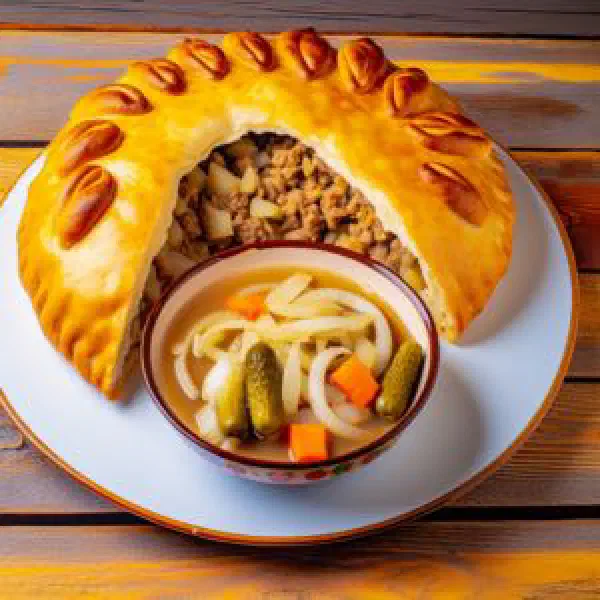
The traditional Kosovar dish Pite is hugely popular both within Kosovo and far beyond its borders. Pite is a kind of filled dough that, depending on the region and the family recipe, is prepared with a range of fillings such as spinach, cheese or meat. What makes it truly special is the hand-pulled layers of dough, which give the pastry its wonderfully light, airy texture. Known for its versatility and rich flavour, this traditional dish is a genuine source of pride in Kosovar cuisine.
Ingredients (serves 1–2)
- 250 g plain flour
- 125 ml lukewarm water
- 1 pinch of salt
- 2 tablespoons oil
- 200 g spinach (or a filling of your choice)
- 150 g feta cheese
- 1 egg
- Butter, for brushing
Shopping for the ingredients
When shopping for the ingredients for pite, it is important to choose fresh, good-quality produce. A standard plain wheat flour works well for the dough. The feta cheese can be mild or sharp to suit your taste, but should always be of good quality. Fresh spinach is preferable, though frozen spinach makes a fine substitute. Try to shop regionally and seasonally wherever you can, to support both the quality and the sustainability of the dish.
Preparing the dish
To make the dough-making easier, all the ingredients should be at room temperature. Sifting the flour before kneading can help avoid lumps and improve the texture of the dough. The spinach should be washed thoroughly and squeezed free of any excess water before use, so the filling does not turn out too wet.
Step-by-step instructions
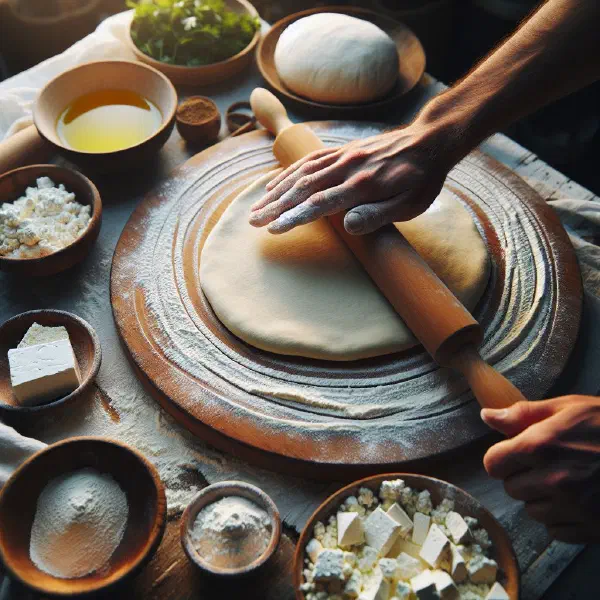
- Mix the flour with the salt, then gradually add the water and oil to form a smooth dough.
- Knead the dough thoroughly, shape it into a ball and leave it to rest for 30 minutes, covered with a cloth.
- Meanwhile, blanch the spinach, let it cool and squeeze it out. Crumble the feta cheese and combine it with the spinach and a beaten egg.
- Roll the dough out thinly and cut it into four equal pieces.
- Brush each piece of dough with melted butter and spread the spinach and cheese filling over the top.
- Roll up each piece of dough from one side and place it in a greased baking tin.
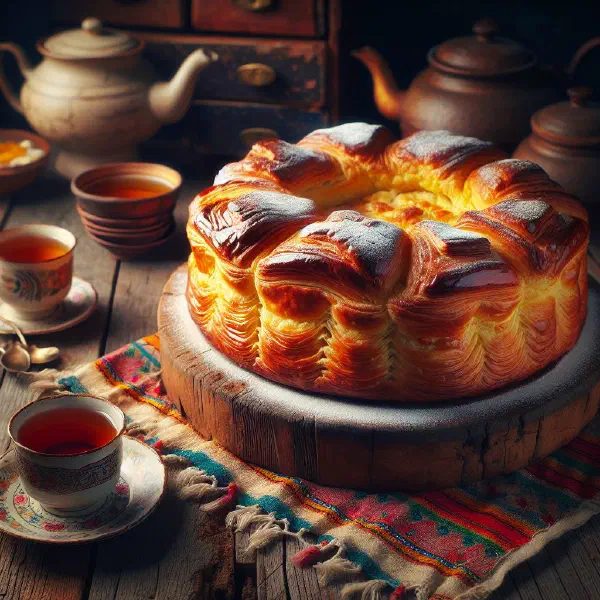
- Bake the pite at 180°C for about 40 minutes, until golden brown.
Gluten-free / lactose-free version
Pite adapts easily to suit different dietary needs. For a gluten-free version, simply swap the plain flour for a good gluten-free flour blend, which lets anyone with a gluten intolerance enjoy the pastry. For a lactose-free option, reach for one of the widely available lactose-free cheeses in place of the feta and brush the dough with a plant-based spread instead of butter. With these small changes, every guest can tuck in without a second thought.
Tips for vegans and vegetarians
Pite is already a natural fit for vegetarians, with its classic spinach and feta filling. To make it fully vegan, use a plant-based cheese in place of the feta, replace the egg with a spoonful of thick plant yoghurt or a little aquafaba, and brush the layers with oil or vegan butter. Fresh, seasonal vegetables and herbs bring out the best flavour, so lean on them wherever you can for an authentic result.
More tips and tricks
To achieve a beautifully golden crust, brush the surface of the pite with a mixture of egg yolk and milk before baking. This gives the pastry a lovely sheen and an extra touch of colour. Another handy trick is to pierce the dough a few times before it goes into the oven, so the steam can escape and the pite does not puff up unevenly.
Adapting the recipe to your taste
The recipe for pite is wonderfully adaptable. Vegetarians can swap the regular feta for a plant-based cheese, while meat lovers can add minced beef or lamb to the filling. Spices such as nigella seeds, paprika or fresh herbs can intensify the flavour to suit your own preferences. Much like the layered Flija, pite rewards a little experimentation with the seasoning.
Ingredient substitutions
If certain ingredients are not to hand, there are plenty of easy swaps. For a gluten-free variation, use gluten-free flour, and in place of feta you can reach for another crumbly cheese. For a lactose-free version there are ready-made lactose-free cheese alternatives to choose from. The spinach can be replaced with chard or any cooked vegetable you like, the same flexible approach that shines in a warming bowl of Pasul.
Drink pairing ideas
Pite pairs beautifully with a light white wine or a cool beer. For an alcohol-free accompaniment, a freshly brewed mint tea works well, as does a traditional yoghurt drink such as ayran, whose gentle tang cuts nicely through the buttery pastry.
Serving and presentation ideas
To serve pite at its best, cut it into portions after baking and arrange them on an attractive ceramic plate. Fresh herbs such as parsley or mint make a lovely garnish. A dollop of yoghurt or soured cream alongside the pastry rounds off the dish visually and offers a creamy contrast to the flaky layers.
A bit of history
Pite has a long tradition and is often served at special occasions and holidays across Kosovo. Once regarded as a dish for poorer households, it now holds a firm place in the national cuisine and is offered in countless local variations. The artful preparation of the dough and the loving care put into the fillings reflect the hospitality and culture of the country, qualities you will also find in beloved bakes like Burek and the celebratory Tave Kosi.
More recipe ideas
Summary: Pite
Pite is a hearty, traditional dish from Kosovar cuisine that stands out for its flexibility in the kitchen. Built on a base of hand-pulled dough and a filling that reflects your personal taste, pite can be the highlight of any meal. This Balkan classic is sure to bring warmth and flavour to your table, so roll up your sleeves and give it a try.